Jakarta — Selecting the ideal complexion product for daily wear often sparks a debate among makeup enthusiasts navigating the countless options available in the global beauty market. When preparing for a standard workday, an academic lecture, or a casual outing, the two most prominent base products—cushion compacts and traditional foundations—frequently emerge as the primary contenders. Both product categories serve the fundamental purpose of evening out skin tone, minimizing imperfections, and establishing a uniform canvas for subsequent cosmetic applications. However, despite their shared overarching objectives, cushion compacts and liquid or powder foundations deliver distinctly different sensory experiences, finish profiles, and functional benefits.
As the beauty industry continues to evolve through technological advancements in formulation and packaging, consumers are increasingly tasked with understanding the nuances that separate these two cosmetic staples. From application techniques and formula viscosities to active skincare infusions and coverage thresholds, evaluating cushion versus foundation requires a detailed examination of individual lifestyle demands and skin characteristics. This comprehensive analysis explores the origins, functional differences, practical applications, and dermatological implications of both products, offering a structured framework for consumers seeking to optimize their daily beauty routines.
The Evolution and Core Characteristics of Complexion Bases
The modern beauty landscape traces the roots of foundation back centuries, evolving from heavy, theatrical greasepaints and mineral powders into sophisticated liquid emulsions, cream pots, long-wear sticks, and lightweight powders. Traditionally formulated to provide robust pigmentation and structural coverage, foundation has long served as the industry standard for formal events, photographic shoots, and professional settings where flawlessness and longevity are paramount. The overarching goal of traditional foundation is to completely control the canvas, masking hyperpigmentation, severe blemishes, and vascular discoloration through high-pigment loads and film-forming polymers.
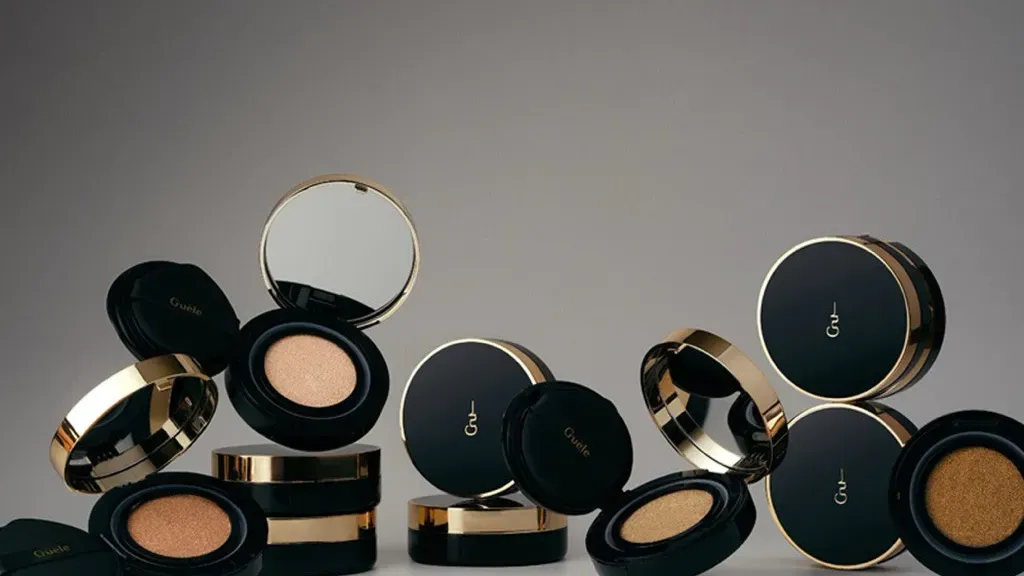
Conversely, the cushion compact represents a relatively recent revolution in cosmetic engineering, originating in South Korea before transforming the global beauty market over the past decade. Developed as a direct response to consumer demand for high-performance sun protection combined with effortless reapplication, the cushion concept houses a fluid, watery foundation formula within an absorbent, multi-layered polyurethane sponge. Housed inside a portable compact equipped with a non-absorbing ruby-cell puff applicator and a vanity mirror, cushion technology fundamentally altered how consumers touch up their makeup on the go. By aerating the liquid formula during the dispensing process, cushion compacts deposit an ultra-thin, highly diffused layer of product onto the skin, bridging the gap between skincare and traditional cosmetics.
Structural Differences: Texture, Packaging, and Application Methodology
The most immediate distinction between cushion compacts and traditional foundations lies in their physical presentation and the mechanical processes required to apply them. Cushion products exclusively utilize low-viscosity, fluid formulas that prioritize spreadability and breathability. The specialized compact design prevents the liquid foundation from drying out while exposing only a fraction of the product to the air upon each press of the application puff. This delivery system ensures hygienic dispensing and controlled dosage, minimizing the risk of over-application—a common pitfall associated with liquid foundations dispensed directly from pumps or droppers.
Application methodology further separates the two categories. Cushion application relies on a patting or tapping motion using a specialized closed-cell puff. This technique presses the product smoothly into the skin’s micro-texture rather than smearing it across the surface, resulting in a seamless, skin-like finish that minimizes the appearance of enlarged pores and fine lines.
Traditional foundations, by contrast, offer a vastly broader spectrum of textures and delivery systems. Consumers can select from water-based liquids, silicone-heavy emulsions, anhydrous oil-based creams, rigid stick formats, and finely milled powders. Each texture demands a specific tool for optimal distribution. Liquid and cream foundations are frequently blended using synthetic-bristle buffing brushes, flat paddle foundations brushes, damp hydrophilic blending sponges, or clean fingertips. This versatility allows professional makeup artists and daily consumers alike to manipulate the coverage level and finish of a foundation far beyond its baseline formulation.
Formulation Science and Skincare Integration
Beyond cosmetic coverage, modern complexion chemistry increasingly incorporates dermatological science into base products, though the execution varies significantly between cushions and foundations. Cushion compacts were conceptually engineered from inception to function as multi-functional hybrid products. In addition to pigments, standard cushion formulations frequently integrate high concentrations of hydrating humectants—such as hyaluronic acid, glycerin, and botanical extracts—alongside robust chemical or physical ultraviolet (UV) filters boasting high SPF and PA ratings. Because cushion compacts are designed for frequent touch-ups throughout the day, the inclusion of skincare actives and sun protection offers continuous defense against environmental stressors and photoaging.
Traditional foundations have also adapted to modern consumer expectations regarding skincare integration, with many contemporary luxury and mass-market lines incorporating anti-aging peptides, niacinamide, and broad-spectrum SPF. However, because traditional foundation is typically applied once in the morning and rarely reapplied over existing makeup throughout the day, its primary active function remains cosmetic preservation. High-coverage foundations often prioritize film-formers, sebum-absorbing powders, and long-wear polymers designed to resist sebum breakdown and sweat oxidation over 12 to 16 hours. Consequently, heavy-duty foundations may require more rigorous evening cleansing routines to prevent pore congestion, whereas lightweight cushion formulas often lean toward breathable, non-comedogenic compositions.
Coverage Spectrum, Finish Profiles, and Aesthetic Outcomes
Evaluating coverage levels reveals fundamental performance differences that dictate when and why a consumer might choose one product over the other. Cushion compacts traditionally specialize in sheer-to-medium coverage. The inherent physics of the sponge delivery system limit the density of pigment transferred in a single layer, ensuring that the natural texture and undertones of the underlying skin remain visible. The resulting finish is typically luminous, dewy, or satin, catering directly to the glass-skin aesthetic popularized by K-beauty trends. This makes cushion products exceptionally well-suited for individuals with dry, normal, or balanced skin types who seek a fresh, hydrated appearance without heavy masking.
Foundation, conversely, spans the entire coverage continuum from sheer skin tints to full-coverage, theater-grade concealers. Formulators can adjust pigment loads exponentially in liquid and cream bases, allowing consumers to completely neutralize deep hyperpigmentation, severe acne scarring, port-wine stains, and tattoos. Furthermore, traditional foundations offer a diverse array of finish profiles—including ultra-matte, satin, natural, radiant, and luminous—accommodating oily, combination, and mature skin types with specialized formulations. Oily complexions, for instance, benefit immensely from oil-controlling matte liquid foundations that lock down sebum production, a performance threshold that standard cushion compacts rarely achieve without the assistance of setting powders.
Practical Considerations for Daily Use and Lifestyle Integration
Determining which product best suits a daily routine ultimately depends on an individual’s daily schedule, environmental exposure, and aesthetic preferences. For the modern professional, student, or commuter navigating a fast-paced urban lifestyle, cushion compacts offer unmatched convenience and portability. The all-in-one packaging eliminates the need to carry separate brushes, mirrors, and liquid bottles. A quick touch-up between meetings or classes takes less than a minute, instantly reviving a dull complexion and reapplying sun protection without disrupting existing makeup layers.
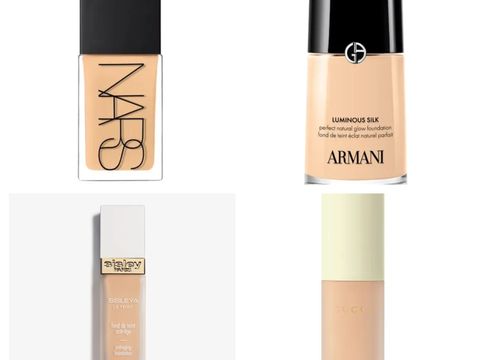
On the other hand, individuals who require flawless longevity throughout a demanding 10-hour workday, high-definition photography sessions, or formal evening engagements often find traditional foundation indispensable. A well-set liquid or cream foundation resists transfer, manages shine, and maintains structural integrity against humidity and movement far more reliably than a dewy cushion compact. Moreover, for those managing specific dermatological concerns such as active inflammatory acne or severe rosacea, the buildable, targeted coverage of a foundation provides the necessary camouflage and confidence boost that lighter cushion formulas may lack.
Economic and Environmental Factors in Modern Beauty Choices
As consumer awareness surrounding sustainability and economic value grows, the choice between cushions and foundations is increasingly influenced by packaging lifecycles and cost-per-use metrics. Traditional foundations packaged in glass bottles or plastic tubes generally offer higher product volume per purchase, making them cost-effective over extended periods, particularly when utilizing multi-purpose blending tools that minimize product waste.
Cushion compacts, while traditionally criticized for generating excessive plastic waste through disposable single-unit cases, have undergone a significant industry-wide transformation. Leading beauty brands now widely manufacture refillable cushion cartridges, allowing consumers to retain the outer compact shell while replacing only the internal sponge reservoir. This eco-friendly shift has substantially reduced the environmental footprint of cushion usage, aligning with broader consumer demands for sustainable packaging solutions within the cosmetics sector.
Industry Outlook and Expert Recommendations
Beauty industry analysts note that the global market for both cushion compacts and traditional foundations continues to expand concurrently, driven by distinct consumer demographics rather than direct competition. While Western markets historically favored liquid foundations dispensed in glass bottles, the hybridization of skincare and makeup pioneered by cushion technology has permanently altered global beauty standards, leading Western luxury and drugstore brands to adopt cushion formats into their permanent product lineups.
Dermatological and makeup professionals generally advise building a versatile cosmetic wardrobe rather than relying exclusively on a single base product. Consumers with fluctuating skin conditions—such as skin that becomes oilier during summer months or drier in air-conditioned office environments—can benefit from alternating between a lightweight, hydrating cushion during casual days and a long-wear, medium-coverage foundation for high-demand professional settings. By understanding the distinct chemical formulations, mechanical application methods, coverage thresholds, and skincare benefits inherent to each category, consumers can make informed, skin-conscious decisions that harmonize with their individual daily lifestyles.