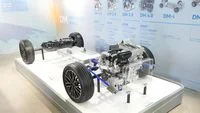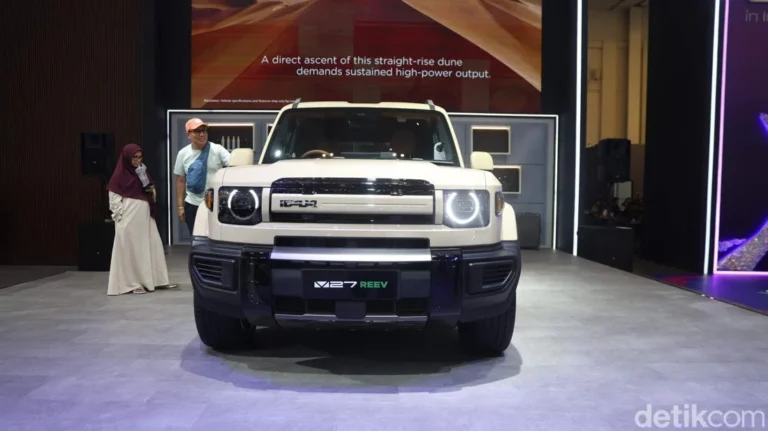
The automotive landscape in Indonesia is undergoing a profound transformation, driven by rapid electrification, shifting consumer preferences, and a diversifying array of vehicle powertrain technologies. Amidst this dynamic market evolution, PT Chery Sales Indonesia (CSI), a subsidiary of the global automotive giant Chery Automobile, is proactively reinforcing its comprehensive after-sales ecosystem. This strategic enhancement is designed to seamlessly support the simultaneous expansion of internal combustion engine (ICE) vehicles, advanced hybrid options—specifically marketed under the Chery Super Hybrid (CSH) banner—and pure battery electric vehicles (BEVs) nationwide.
As the Indonesian automotive market matures, consumers are increasingly demanding holistic ownership experiences that extend far beyond the initial purchase transaction. Recognizing that different powertrain architectures possess distinct mechanical and technical profiles, Chery Indonesia has restructured its support framework. The overarching goal is to ensure that the rapid introduction of new models is continuously matched by robust technical readiness, spatial accessibility, and long-term vehicle reliability.
Digital Innovation in the Pre-Delivery Phase: The Track My Chery Q Initiative
The modern consumer journey begins long before a vehicle arrives in a driveway; it starts at the moment of booking. To address the anxieties and high expectations associated with waiting for a new vehicle, Chery Indonesia has introduced advanced digital integration into its pre-delivery ecosystem, spearheaded by the Track My Chery Q feature.
This proprietary digital tool allows prospective buyers to monitor the exact journey of their newly ordered Chery vehicles in real-time. From the moment a production unit leaves the assembly line or distribution hub to the final logistical milestones leading up to doorstep delivery, customers maintain complete transparency. By minimizing the traditional informational vacuum that often characterizes the vehicle delivery window, Chery aims to build early consumer trust and elevate the brand’s premium market positioning.
This customer-centric digital touchpoint represents a broader industry trend toward digitalization in automotive retail. In a competitive market where brands vie not only on vehicle specifications but also on service excellence, streamlining the pre-delivery phase serves as a critical differentiator for emerging and established players alike.
Expanding Dealer Networks and Regional Infrastructure
Once a vehicle is successfully delivered, the focal point of the ownership experience naturally shifts toward routine maintenance, accessibility of spare parts, and responsive technical support. The effectiveness of any after-sales network is fundamentally tethered to its physical footprint and the diagnostic capabilities of its service centers.
Demonstrating aggressive market penetration, Chery Indonesia has steadily scaled its operational footprint. By September 2026, the company successfully expanded its national network to 82 authorized dealerships strategically distributed across various provinces and major metropolitan areas throughout the archipelago. These facilities are designed to operate as dual-function hubs, combining comprehensive vehicle showrooms with state-of-the-art authorized service centers (ASC).
This localized expansion is particularly crucial in a sprawling archipelagic nation like Indonesia, where geographic diversity poses unique logistical and service delivery challenges. By ensuring that sales and maintenance facilities are established hand-in-hand, Chery seeks to mitigate common consumer concerns regarding the availability of localized support outside major urban centers such as Jakarta and Surabaya.
Specialized Technical Competence: Bridging the Skills Gap in Electrification
While physical expansion provides proximity, the quality of care delivered inside the service bay ultimately dictates long-term brand equity. The automotive industry’s swift pivot toward hybridization and pure electrification introduces complex electronic architectures, high-voltage battery systems, sophisticated thermal management setups, and intricate electric motor controls. These systems require specialized diagnostic knowledge and rigorous safety protocols that differ vastly from traditional mechanical setups.
To address the specialized demands of multi-powertrain servicing, Chery Indonesia has invested heavily in workforce development. The company currently operates two dedicated training centers strategically situated in Bekasi, West Java, and Makassar, South Sulawesi.
The Bekasi facility serves as a primary hub for western regional technical training, equipping mechanics with advanced diagnostic methodologies, software troubleshooting techniques, and hardware repair procedures for both ICE and electric architectures. Meanwhile, the establishment of the training facility in Makassar underscores Chery’s strategic commitment to Eastern Indonesia. By decentralizing education and training infrastructure, the company ensures that local technicians across the region receive standardized, factory-certified instruction. This localized talent development directly supports the concurrent opening of new dealerships, guaranteeing that service quality remains uniform regardless of geographic location.
Navigating Warranty, Maintenance, and Lifecycle Support
The after-sales lifecycle is anchored by warranty structures and scheduled maintenance programs, which exert a direct influence on the total cost of ownership (TCO) and long-term resale value. For internal combustion engine vehicles, maintenance generally revolves around fluid changes, belt inspections, and mechanical tune-ups. However, for electrification lines—encompassing CSH hybrids and BEVs—the warranty and servicing frameworks must account for high-voltage battery health, inverter longevity, and specialized electronic control units.
Chery Indonesia’s after-sales protocol includes comprehensive warranty terms tailored specifically to protect core components such as traction batteries and electric drive systems, adhering to strict manufacturer specifications and model-dependent criteria. These warranties provide consumers with financial security and peace of mind during the critical initial years of ownership.
Beyond the formal warranty period, ongoing scheduled maintenance remains indispensable. Because ICE, hybrid, and electric vehicles operate on fundamentally different mechanical principles, authorized service personnel are trained to execute precise, model-specific inspection routines. Whether a vehicle requires routine oil filtration for a conventional engine or high-voltage insulation diagnostics for an electric powertrain, Chery’s authorized service centers maintain the specialized tooling required to uphold factory standards.
Strategic Implications and Future Outlook
The comprehensive reinforcement of Chery Indonesia’s after-sales ecosystem arrives at a critical juncture for the country’s automotive sector. With the Indonesian government aggressively pushing toward net-zero emissions targets through various fiscal incentives, infrastructure development, and regulatory frameworks, consumer adoption of electric and hybrid vehicles is accelerating.
However, market analysts note that long-term consumer confidence in alternative-powertrain vehicles remains heavily dependent on the maturity of the supporting ecosystem. Issues such as residual value retention, rapid spare parts availability, and the availability of certified technicians to handle complex electrical faults are often cited as pivotal decision-making factors for prospective buyers.
By simultaneously scaling its dealership network, digitizing the pre-delivery tracking experience, decentralizing specialized technical training through facilities in Bekasi and Makassar, and tailoring maintenance protocols to diverse powertrain models, Chery Indonesia is systematically addressing these consumer pain points.
Ultimately, the company’s multi-pronged after-sales strategy reflects a mature understanding of the Indonesian market: winning consumer loyalty requires more than introducing technologically advanced vehicles; it demands a resilient, transparent, and enduring commitment to customer care throughout the entire vehicle lifecycle. As Chery continues to expand its market share in the years leading up to 2026 and beyond, the strength of this ecosystem will likely serve as a benchmark for its sustained competitiveness in Southeast Asia’s largest automotive market.