Socio Today
The highly anticipated final match of the FIFA World Cup 2026 is set to transcend the traditional sporting spectacle, ushering in a new era of entertainment with its first-ever halftime show. This groundbreaking initiative, announced by FIFA, aims to fuse the passion of global football with world-class musical performances and a strong social impact message, promising an unprecedented experience for fans worldwide.
A New Dimension to the World Cup Finale
For the first time in its storied history, the FIFA World Cup final will incorporate a dedicated halftime entertainment segment, transforming the traditional 15-minute interval into a globally broadcasted performance. This strategic move by FIFA signifies a commitment to evolving the fan experience beyond the 90 minutes of play, aligning the tournament with contemporary entertainment trends that often integrate music and cultural phenomena. The decision to launch this ambitious project at the pinnacle event of international football underscores its intended significance and potential to set a new benchmark for major sporting events.
The genesis of this concept can be traced back to 2024 when FIFA initially unveiled plans for a more elaborate halftime spectacle. The organization has partnered with Global Citizen, a renowned international advocacy organization focused on ending extreme poverty and demanding accountability from world leaders, as the official organizing partner. This collaboration highlights FIFA’s intent to imbue the halftime show with a purpose beyond mere entertainment, aiming to leverage the immense global platform of the World Cup to promote social causes.
Adding a layer of artistic direction, Chris Martin, the charismatic frontman of the globally acclaimed band Coldplay, has been appointed as the artistic curator. Martin’s role is pivotal in shaping the overall concept of the halftime show and selecting the diverse roster of artists who will grace the stage. His involvement suggests a focus on a cohesive and impactful artistic vision, likely blending innovative stage design with powerful musical performances.
A Stellar Lineup of Global Icons
The inaugural FIFA World Cup 2026 halftime show boasts an extraordinary lineup of musical titans, featuring a blend of legendary performers and contemporary global sensations. The confirmed artists poised to make history on the grandest stage of football are:
- Madonna: The undisputed "Queen of Pop," Madonna, brings her unparalleled legacy of groundbreaking performances and enduring influence to the halftime stage. Her inclusion signifies a nod to musical royalty and the timeless appeal of iconic artistry.
- Shakira: A perennial favorite at major sporting events, Shakira’s energetic performances and global appeal make her a natural fit. Her history with the World Cup, including her iconic anthem "Waka Waka (This Time for Africa)" for the 2010 tournament, has cemented her status as a footballing music ambassador.
- BTS: The South Korean supergroup BTS, with their massive global fanbase and electrifying stage presence, are set to deliver a performance that will undoubtedly resonate with millions. Their participation underscores the tournament’s commitment to global inclusivity and reaching diverse audiences.
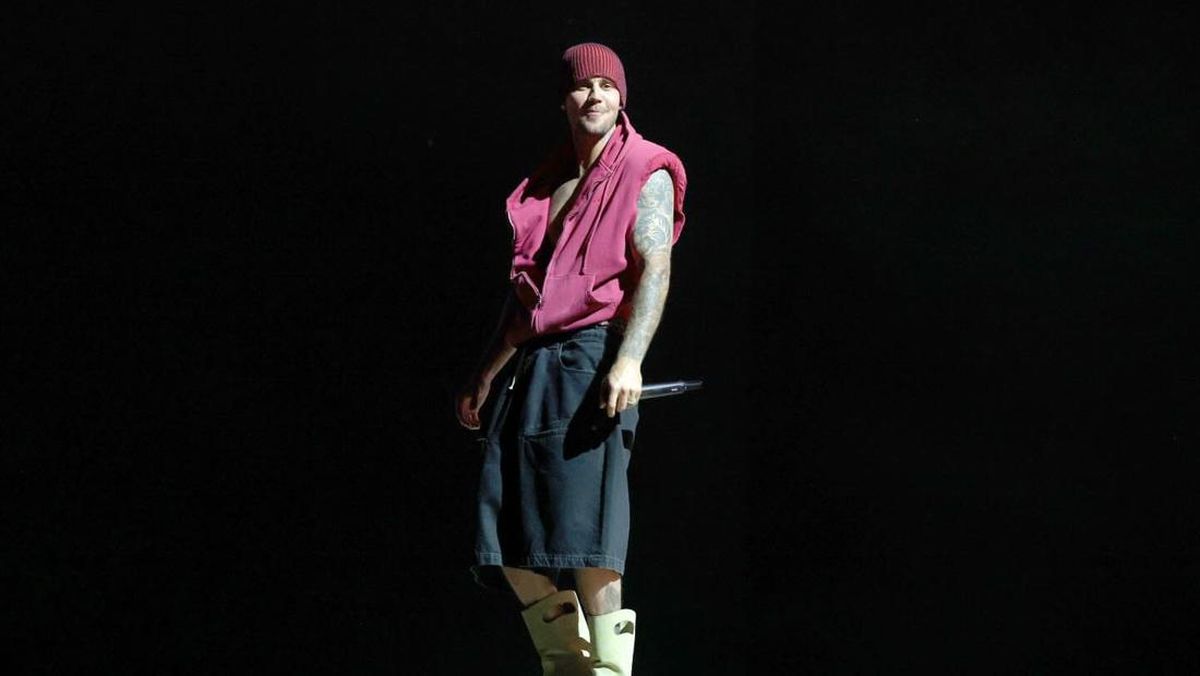
- Justin Bieber: A global pop phenomenon, Justin Bieber’s inclusion adds another layer of contemporary star power. His ability to command massive crowds and deliver chart-topping hits makes him a significant draw for younger demographics.
- Burna Boy: The Nigerian superstar, a leading figure in the Afrobeats movement, brings his infectious rhythms and powerful stagecraft to the halftime show. His performance represents the growing global influence of African music and its integral role in the international music scene.
- Gustavo Dudamel: Renowned conductor Gustavo Dudamel, known for his work with the Los Angeles Philharmonic and his passionate advocacy for music education, will bring a symphonic element to the performance. His involvement suggests a potential for grand, orchestral arrangements that can elevate the spectacle.
- PS22 Chorus alongside Coldplay: The inclusion of the PS22 Chorus, a youth choir known for their heartwarming performances, alongside Coldplay, hints at a collaborative segment with a potentially uplifting and community-focused message. This pairing could serve as a poignant symbol of hope and future generations.
A Glimpse into Rehearsals and Anticipated Performances
As the final approaches, glimpses of the monumental preparations are beginning to emerge. Both Shakira and Burna Boy have shared snippets of their rehearsal sessions on social media, offering fans a tantalizing preview of the intricate stage design and meticulously choreographed routines taking shape. These behind-the-scenes peeks have amplified the anticipation, showcasing the dedication and artistry being poured into this historic event.
While the complete setlist remains under wraps, early indications suggest a diverse range of musical offerings. BTS is slated to perform their uplifting anthem "Permission to Dance," a song that has become synonymous with optimism and unity. Shakira and Burna Boy are reportedly preparing to debut a collaborative track, tentatively titled "Dai Dai," based on their rehearsal footage. This potential collaboration between two of the world’s most influential artists in their respective genres is already generating significant buzz. The remaining artists are keeping their song choices a closely guarded secret, adding an element of suspense to the unfolding event.
Thematic Depth: Football, Music, and Social Action
Beyond the star-studded performances, FIFA has emphasized that the halftime show will be more than just a musical interlude; it is envisioned as a "global entertainment experience that blends football, music, and social action." This multi-faceted approach aims to create a powerful narrative that resonates with the core values of the World Cup: unity, competition, and positive global impact.
The partnership with Global Citizen underscores a deliberate effort to harness the World Cup’s unparalleled reach to advocate for critical global issues. This could include raising awareness for causes such as poverty reduction, climate action, gender equality, and education. By integrating these themes into the halftime show, FIFA and its partners aim to inspire audiences to engage with these important social agendas, transforming a moment of entertainment into an opportunity for meaningful change.
Historical Context and Future Implications
The introduction of a dedicated halftime show at the World Cup final marks a significant evolution for the tournament. While other major sporting events, such as the Super Bowl, have long embraced elaborate halftime entertainment, the World Cup has traditionally prioritized the sporting drama itself. This shift reflects a broader trend in global entertainment, where the lines between sports, music, and culture are increasingly blurred.
The success of this inaugural halftime show could have profound implications for future World Cup editions and other major sporting events. It sets a precedent for integrating high-caliber entertainment, potentially influencing how future tournaments are marketed and experienced by fans. The emphasis on social impact also positions the World Cup as a platform for positive social change, aligning with the growing demand for corporate social responsibility and purpose-driven events.
The logistical undertaking of staging such a performance at a football stadium during the World Cup final is immense. It requires sophisticated stage engineering, seamless technical integration, and the coordination of hundreds of performers and crew members. The successful execution of this ambitious plan will be a testament to FIFA’s organizational capabilities and its willingness to innovate.
Supporting Data and Background
The FIFA World Cup is the most widely viewed and followed single sporting event in the world. The 2022 FIFA World Cup in Qatar reportedly reached an estimated global audience of 5 billion people across all platforms. This staggering reach provides an unparalleled platform for any message or performance. The inclusion of artists with immense global followings, such as BTS with over 60 million monthly listeners on Spotify, and Madonna, whose career spans decades and has sold over 300 million records worldwide, ensures that the halftime show will capture the attention of a vast and diverse demographic.
The economic impact of hosting the World Cup is also substantial. The 2026 World Cup, to be co-hosted by the United States, Canada, and Mexico, is projected to be the most expensive and one of the most profitable World Cups to date, with an estimated economic impact of billions of dollars. The halftime show, as a central component of the fan experience, is likely to contribute significantly to this economic ecosystem, attracting sponsorships and driving viewership.
The selection of Global Citizen as a partner is also noteworthy. The organization has a proven track record of mobilizing millions of people and influencing policy through its campaigns. Their involvement suggests a well-structured approach to integrating social messaging, moving beyond token gestures to substantive calls to action. Past Global Citizen events have featured performances from artists like Beyoncé, Ed Sheeran, and Stevie Wonder, demonstrating their capacity to curate impactful musical experiences with a social conscience.
The artistic direction by Chris Martin of Coldplay further solidifies the show’s potential for artistic merit. Coldplay’s own history of incorporating social and environmental themes into their music and performances, such as their "Music Of The Spheres" world tour’s commitment to sustainability, aligns perfectly with the stated goals of the World Cup halftime show.
Broader Impact and Implications
The implications of this historical halftime show extend far beyond the immediate entertainment value. It signals a strategic evolution in how major sporting events are conceived and delivered, acknowledging the growing importance of a holistic fan experience that incorporates cultural and social dimensions.
For the participating artists, it offers an unprecedented platform to connect with a global audience, potentially amplifying their messages and music on an unparalleled scale. For FIFA, it represents a bold step towards modernizing its brand and appealing to a new generation of fans who are accustomed to multi-platform entertainment experiences.
Furthermore, the integration of social action themes could inspire a new wave of philanthropic engagement within the sports world. By demonstrating how sporting events can be leveraged for positive social impact, FIFA may encourage other organizations to follow suit, creating a ripple effect of positive change.
The success of this inaugural halftime show will undoubtedly be scrutinized by the global media and public. However, the meticulous planning, the caliber of artists involved, and the clear vision behind the initiative suggest that the FIFA World Cup 2026 final halftime show is poised to be a landmark event, etching its place in the annals of both sporting and entertainment history. It is an ambitious undertaking that promises to redefine the boundaries of what a sporting event can be, blending athletic excellence with cultural resonance and social purpose.