For decades, the prevailing narrative in the nutritional sciences has been to avoid processed foods at all costs in favor of home-cooked, "from scratch" meals. This conventional wisdom, often touted by wellness influencers and fad diet proponents, suggests that anything arriving in a package is inherently detrimental to metabolic health. However, a nuanced perspective from nutrition experts and recent findings published in the health journal Eating Well suggest that the definition of "processed" needs a critical reassessment. Not all processed items are synonymous with high sugar, excessive sodium, and chemical additives; in fact, several nutrient-dense processed options can serve as vital tools in a successful, sustainable weight loss strategy.
The shift in perspective is driven by the practical realities of modern life. For many individuals, the time-intensive process of preparing raw ingredients is a barrier to healthy eating. When people lack the time to cook from scratch, they often resort to ultra-processed convenience foods that are calorie-dense but nutrient-poor. By strategically selecting "minimally processed" foods, individuals can maintain their nutritional goals without sacrificing the convenience required by their busy lifestyles.
The Science of Nutrient-Dense Processing
"Processing" is a broad term that covers everything from simple freezing and pasteurization to the creation of shelf-stable snacks loaded with artificial preservatives. The foods recommended by nutritionists for weight loss—such as frozen fruits, Greek yogurt, soy milk, tofu, and legumes—fall into the category of minimally processed or functional foods. These items are processed specifically to preserve their nutritional integrity, extend shelf life without degradation, or enhance their bioavailability.
The primary mechanism by which these foods aid in weight loss is through satiety and metabolic support. By providing high-quality protein, dietary fiber, and essential micronutrients, these foods help regulate hunger hormones, reduce the likelihood of overeating, and maintain lean muscle mass during periods of caloric restriction.
1. Frozen Fruits: Nature’s Preserved Powerhouse
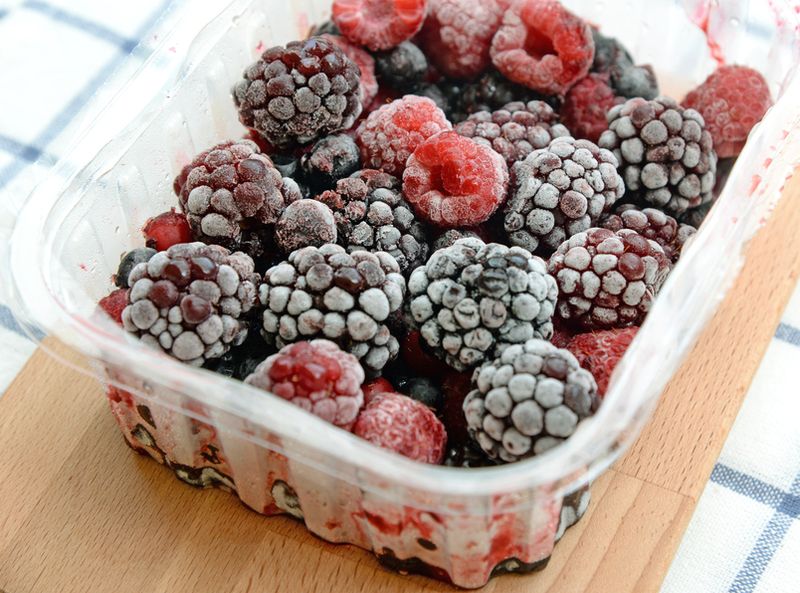
Frozen fruit is often misunderstood as inferior to fresh produce, yet the reality is that freezing is a form of preservation that locks in nutrients at the peak of ripeness. When fruit is picked and immediately flash-frozen, it often retains a higher nutrient profile than fresh fruit that has spent weeks in transit or storage, losing vitamins through oxidation.
According to nutritionist Largeman-Roth, frozen fruit is a cornerstone of a weight-loss-friendly pantry. Beyond the obvious benefit of convenience—being pre-washed and pre-cut—it serves as a powerful tool for fiber intake. For example, one cup (148 grams) of frozen blueberries provides approximately 4 grams of fiber and only 84 calories. Fiber is critical for weight management because it slows gastric emptying, leading to a prolonged feeling of fullness. Furthermore, blueberries are rich in anthocyanins, antioxidants that have been linked in several studies to the reduction of systemic inflammation, which is frequently a metabolic hurdle for those carrying excess adipose tissue.
2. Greek Yogurt and the Protein-Probiotic Connection
Greek yogurt has become a staple in the diets of those aiming for body composition improvement, and for good reason. Unlike standard yogurt, the straining process removes much of the whey and lactose, resulting in a product with significantly higher protein content and a thicker consistency.
A standard cup of Greek yogurt (roughly 198–200 grams) contains approximately 20 grams of protein. Protein is the most satiating of the three macronutrients, meaning it sends strong signals to the brain that the body has received sufficient fuel. Furthermore, the high protein content supports the preservation of muscle mass. This is a crucial distinction in weight loss: without adequate protein intake during a caloric deficit, the body is prone to catabolizing muscle tissue, which slows the basal metabolic rate. By prioritizing protein, individuals can ensure that the weight lost is primarily fat rather than lean tissue. Additionally, the probiotic content of Greek yogurt supports a healthy gut microbiome, which recent clinical research has linked to better weight regulation and improved metabolic health.
3. Soy Milk: A Nutritional Alternative to Dairy
While the dairy industry has historically dominated the milk market, soy milk has emerged as a scientifically backed alternative for those looking to manage their weight. In the 2020-2025 Dietary Guidelines for Americans, the USDA specifically recognized soy milk as the only plant-based beverage nutritionally equivalent to cow’s milk.
The weight-loss benefits of soy milk are largely attributed to its unique protein profile and the presence of isoflavones. Research indicates that the combination of soy protein and fiber can assist in weight reduction, particularly in populations struggling with obesity. Because soy milk is often fortified with calcium and Vitamin D, it provides essential micronutrients that are often lacking in restrictive diets. When consumed as a base for smoothies or as a standalone beverage, its low calorie-to-protein ratio makes it an efficient tool for managing daily caloric intake without feeling deprived.
4. Tofu: The Versatile Lean Protein
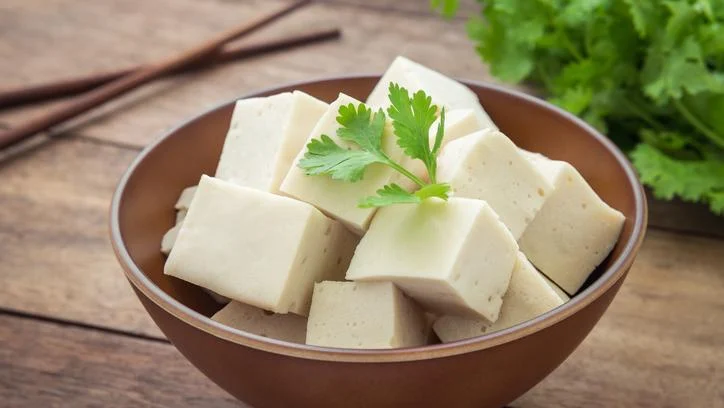
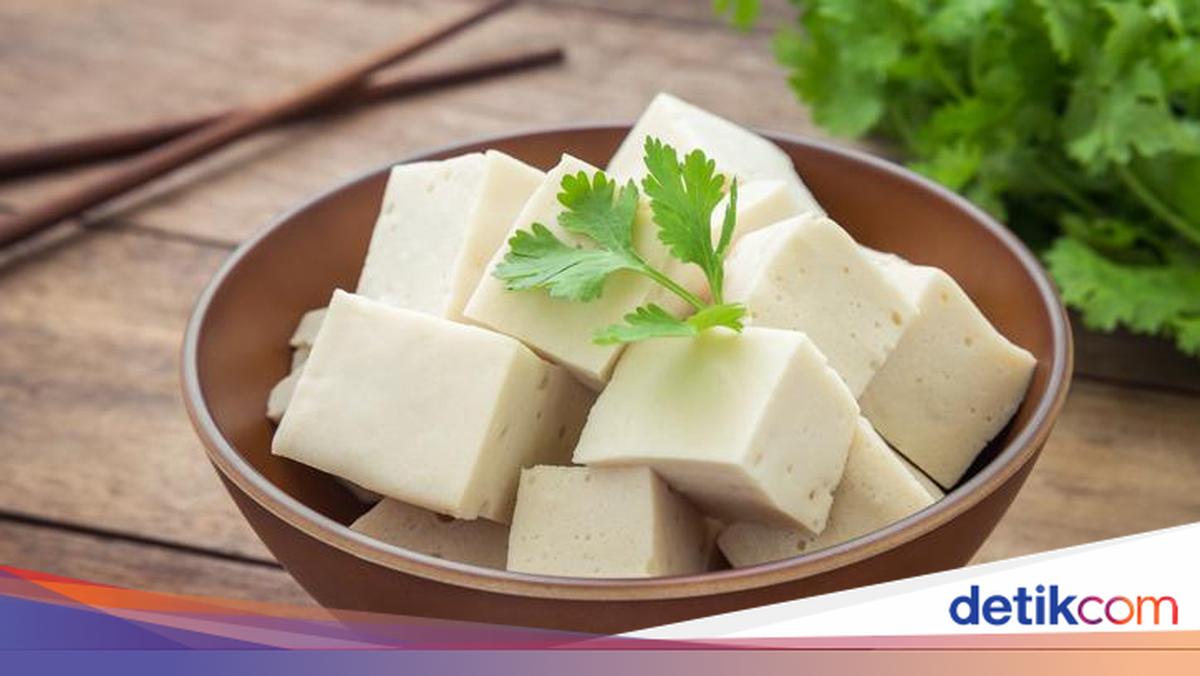
Tofu, a derivative of processed soybeans, has long been a staple in East Asian diets and is gaining traction in Western nutrition for its weight-loss potential. Tofu is produced by coagulating soy milk and pressing the resulting curds into blocks. This process creates a food that is not only low in calories but exceptionally high in satiety-inducing protein.

A standard serving of 85 grams of tofu offers about 8 grams of protein for only 80 calories. Because tofu is nearly flavorless, it functions as a "culinary sponge," absorbing the flavors of herbs, spices, and vegetables without the need for high-calorie sauces or excessive oil. This property is vital for those who struggle with the "blandness" of many diet foods. By using tofu as a base for stir-fries or soups, one can create a voluminous, satisfying meal that stays well within a restricted caloric budget, thereby preventing the common "snack trap" that leads to weight gain.
5. Legumes and Nuts: The Power of Healthy Fats
Perhaps the most surprising entry on the list for many dieters is nuts and legumes. Historically, nuts were avoided by those on weight-loss journeys due to their high caloric density and fat content. However, modern nutritional consensus has shifted; we now recognize that the "calories in, calories out" model is incomplete if it does not account for the hormonal impact of the food consumed.
Research suggests that consuming approximately 28 grams of nuts prior to meals can stimulate the release of hormones that suppress appetite, leading to reduced overall caloric intake during the subsequent meal. The healthy monounsaturated fats and fiber found in nuts provide long-lasting satiety, preventing the blood sugar spikes and crashes that lead to cravings for processed sugar. When choosing nuts or legumes, however, the "processed" aspect must be managed by the consumer; selecting dry-roasted or raw, unsalted varieties is essential to avoid the excess sodium that can lead to water retention and blood pressure issues.
Broader Implications and Public Health Context
The integration of these foods into a weight-loss diet represents a pragmatic approach to public health. The global rise in obesity and metabolic syndrome is often fueled by the reliance on "ultra-processed" foods—a category distinct from the items listed above. Ultra-processed foods are typically characterized by high levels of refined flour, added sugars, and hydrogenated fats, designed for hyper-palatability rather than nutritional value.

In contrast, the foods highlighted here—frozen fruit, Greek yogurt, soy milk, tofu, and nuts—are functional, minimally processed foods that offer a high "nutrient density." The transition from ultra-processed to minimally processed foods is a sustainable intervention for long-term weight management. It does not require the elimination of all convenience foods, but rather a higher standard for what constitutes a "convenient" choice.
As we look toward the future of nutrition, the emphasis is increasingly moving toward "food literacy." This involves teaching consumers how to read labels, identify hidden sugars, and distinguish between beneficial processing techniques—like freezing or fermenting—and harmful ones, like the addition of artificial stabilizers and excessive sweeteners. By focusing on these five categories, individuals can leverage the efficiency of modern food production to support their metabolic health, proving that the kitchen does not have to be a place of labor-intensive sacrifice to achieve meaningful, lasting weight loss.