A recent devastating wildfire that swept through the slopes of Mount Ciremai in Kuningan Regency, West Java, has left a trail of ecological destruction, most notably turning a sprawling meadow of protected edelweis flowers into charred remains. The incident, which has drawn widespread concern from environmentalists and local authorities, highlights the persistent vulnerability of Indonesia’s highland ecosystems to forest and land fires, locally known as karhutla.
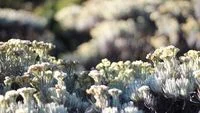
Visual documentation captured by local volunteers vividly illustrates the scale of the damage. Once celebrated as the resilient "eternal flower" of Indonesian mountains, vast patches of edelweis (Anaphalis javanica) have been blackened, reduced to soot alongside scorched alpine grass. While firefighting efforts have successfully suppressed the active flames, the aftermath reveals a sobering picture of biodiversity loss within the Mount Ciremai National Park (TNGC) region.
Chronology and Extent of the Wildfire
The devastating blaze ignited within the conservation area of Mount Ciremai, threatening both flora and fauna native to the region. According to field reports, the fire rapidly spread across the rugged terrain, propelled by dry weather conditions and strong winds typical of the late dry season.
Darsa, 51, the Head of the Masyarakat Peduli Api (MPA) Padabeunghar Sweeping Team under the Siliwangi Majakuning unit, confirmed the extensive damage. Speaking from the site on Wednesday, October 28, Darsa detailed that approximately 10 hectares of edelweis habitat were severely impacted. The affected zone lies primarily along the northern slopes of Mount Ciremai, specifically thriving within an elevation range of 1,200 to 1,800 meters above sea level (mdpl).
During their post-fire sweep and cooling operations, Darsa’s team not only documented the destruction of the flora but also encountered wildlife displaced or affected by the disaster, including a juvenile surili—a primate endemic to the island of Java—struggling in the smoke-heavy environment. While some individual edelweis plants managed to escape direct incineration, they remain severely withered and stressed due to prolonged exposure to dense toxic smoke.
Ecological Significance and Resilience of Edelweis
The edelweis flower holds a revered status among Indonesian mountaineers and botanists alike. Often romanticized in local folklore as a symbol of eternity due to its ability to retain its shape and color long after being picked, Anaphalis javanica is a pioneer plant adapted to harsh, nutrient-poor volcanic soils.
However, the scale of destruction observed on Mount Ciremai—affecting an estimated 10 hectares—raises critical questions about the recovery timeline of the local alpine ecosystem. Despite the grim visual of charred fields, conservation experts offer a note of cautious optimism rooted in the biological traits of the species.
Darsa pointed out a natural mechanism that may ensure the return of the flora. According to field observations, while the mature plants and surrounding vegetation were consumed by the fire, the edelweis seeds embedded safely beneath the soil surface largely remained protected from the extreme heat.
"The edelweis seeds did not burn," Darsa explained. "It will not take long. When the rainy season arrives, they will sprout again, and potentially grow even more densely because the overgrowth has been cleared, opening up the canopy and exposing the soil to sunlight."
This natural regeneration process, however, depends heavily on timely seasonal shifts and the protection of the soil from subsequent erosion—a common secondary hazard following severe forest fires in mountainous regions.
Containment and Official Response
The National Disaster Management Agency (BNPB), in coordination with local disaster mitigation agencies (BPBD), forestry officials, and volunteer groups such as the MPA, mounted a coordinated response to bring the Mount Ciremai blaze under control.
Following intensive water-bombing strategies, ground-level containment lines, and continuous monitoring, BNPB officially confirmed that no active hotspots remain within the Mount Ciremai National Park area. Firefighting crews have transitioned from active suppression to mop-up and cooling phases to prevent reignition from smoldering roots and peat layers beneath the surface.
Authorities have commended the swift actions of local volunteers and community-based disaster response groups. Their prompt reporting and deployment allowed forestry personnel to locate vulnerable wildlife and assess the ecological footprint of the disaster with greater accuracy.
Broader Implications of Karhutla in Conservation Areas
The incident at Mount Ciremai underscores the mounting challenges faced by land managers across Indonesia as climate anomalies exacerbate the intensity and frequency of seasonal droughts. Taman Nasional Gunung Ciremai (TNGC), spanning the Kuningan and Majalengka regencies, serves as a vital water catchment area and a sanctuary for diverse protected species, making any disruption to its ecosystem a matter of regional concern.
Environmental analysts note that while edelweis possess remarkable evolutionary adaptations for survival in volcanic environments, frequent or human-induced wildfires can permanently degrade soil structure, reduce biodiversity, and pave the way for invasive weed species that outcompete native flora during the regeneration phase. Furthermore, the displacement of endemic fauna like the Javan surili signals a broader systemic threat to the food webs and habitats within the park.
As West Java transitions into the wet season, attention will inevitably shift from emergency response to habitat rehabilitation and preventative education. Conservationists continue to urge hikers, local communities, and visitors to exercise extreme caution with open flames and discarded cigarette butts, reminding the public that while nature possesses a resilient capacity to heal, the prevention of preventable disasters remains the most effective tool for preserving Indonesia’s natural heritage.