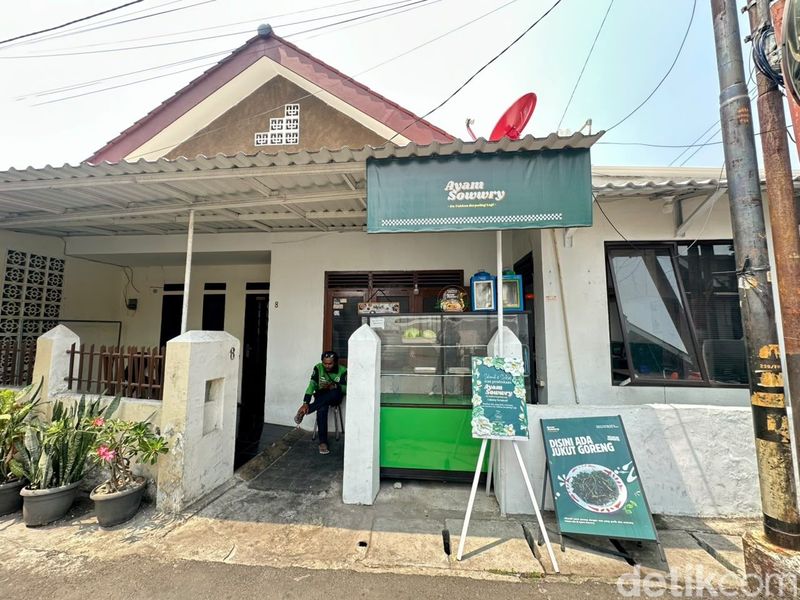
Hidden within the dense residential corridors of the Setiabudi district in South Jakarta, a burgeoning culinary venture known as Ayam Sowwry has carved out a niche for itself as a destination for authentic, home-style comfort food. Originally established in Cempaka Baru, Central Jakarta, just over a year ago, the brand recently expanded its footprint by opening a second location in the heart of South Jakarta’s bustling Setiabudi neighborhood. The establishment is situated in Gang Eddy, a narrow residential alley that requires a degree of navigation, yet its presence has become increasingly significant for the local student demographic and office workers alike, particularly due to its proximity to prominent educational institutions such as the UNJ Psychology campus and the Telkom Informatics Engineering campus.
The rise of "hidden gem" culinary spots in Jakarta reflects a broader trend in the city’s food and beverage industry. As commercial rental prices on main thoroughfares continue to soar, independent restaurateurs are increasingly utilizing residential zones to offer high-quality, affordable meals. This strategy not only lowers overhead costs but also fosters a communal, "home-cooked" atmosphere that resonates with urban dwellers seeking a respite from the commercialized food chains dominating the capital.

Chronology of Expansion and Operational Growth
The evolution of Ayam Sowwry serves as a case study in organic business growth. The brand debuted in Cempaka Baru last year, initially focusing on a delivery-heavy model that prioritized consistency in traditional Indonesian poultry preparations. The positive reception of its signature spice blends—most notably its coriander-infused fried chicken—provided the necessary capital and brand recognition to pursue a second location.
The choice of Setiabudi as the second site was strategic. By positioning itself within walking distance of major academic hubs, the business tapped into a consistent customer base of students and faculty members. Since opening its doors in Gang Eddy, the establishment has maintained a daily operation schedule from 9:00 AM to 9:00 PM, catering to both the lunch rush and the dinner crowd. Despite its somewhat secluded location, digital mapping services have proven essential in maintaining foot traffic, allowing the business to overcome the logistical challenges posed by its non-traditional address.
Menu Composition and Culinary Methodology
Ayam Sowwry’s menu is designed around the concept of "comfort food," a staple of Indonesian dining culture consisting primarily of poultry, rice, traditional sambal, and fresh vegetables. The pricing structure is competitive, with entry-level packages starting at IDR 26,000. This price point is deliberately targeted at the demographic of students and young professionals who prioritize value without sacrificing the quality of ingredients.
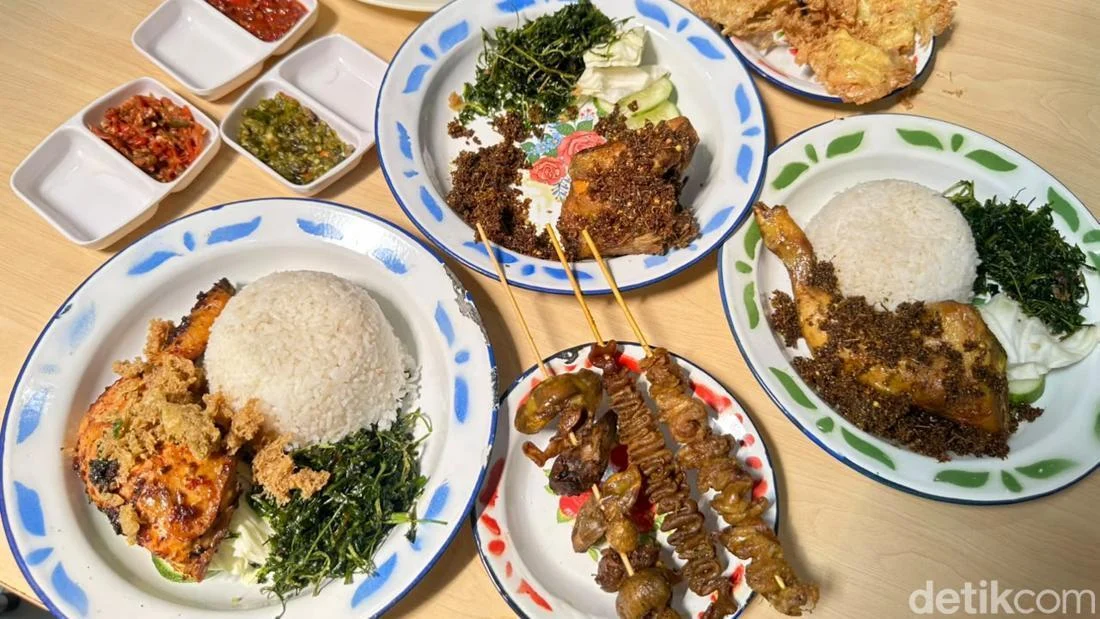
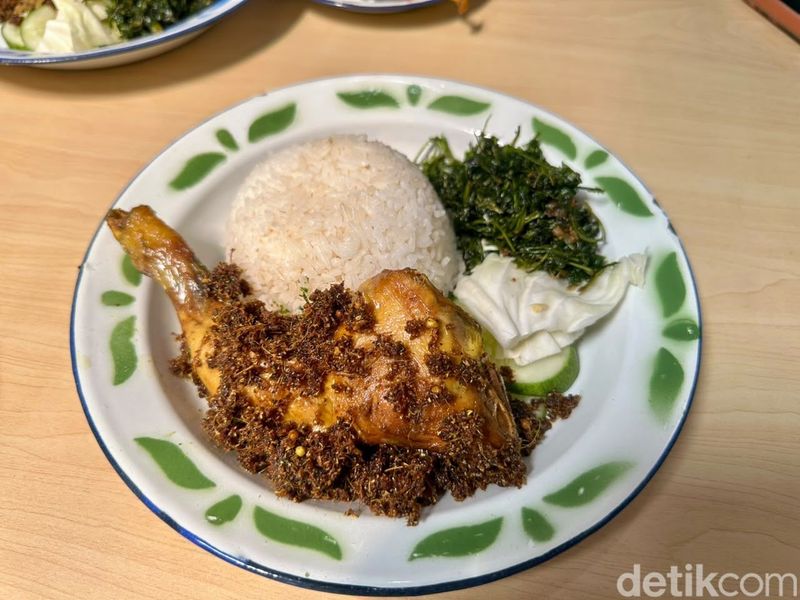
The flagship menu item is the Ayam Ketumbar, or coriander chicken, priced at IDR 32,000. The dish is characterized by a generous coating of fried coriander seeds, which provide both texture and a distinctive aromatic profile. The culinary process involves an extensive marination period, followed by a low-heat braising technique (ungkep) that ensures the spices penetrate the meat fibers. This is followed by a flash-frying process that crisps the exterior while retaining the succulence of the chicken.
Beyond the signature chicken, the menu provides significant variety:
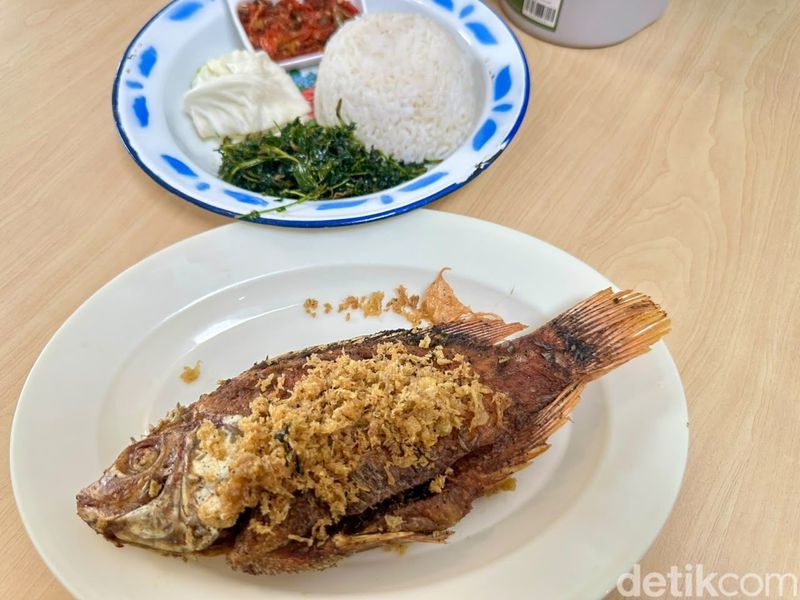
- Alternative Proteins: The establishment serves fried catfish (lele) and Nile tilapia (nila), both priced at IDR 28,000. These are available in either fried or grilled variations.
- Side Dishes (Sate-satean): A selection of skewers—including chicken skin, intestines, gizzard/liver, chicken heads, and feet—is offered at a flat rate of IDR 5,000 per skewer.
- Specialty Add-ons: Crispy eggs, which provide a thin, airy crunch, are priced at IDR 8,000.
- Sambal Varieties: The establishment offers four distinct types of sambal: Sambal Ijo, Sambal Seruit (a Lampung specialty featuring fermented shrimp paste and local tomatoes), Sambal Dadak (a fresh, raw-chili blend), and Sambal Terasi.
Analysis of Operational Challenges and Performance
Reports regarding the dining experience at the Setiabudi location indicate that while the quality of food is high, the business faces the common challenges of scaling in a restricted space. During peak hours, the establishment has been observed operating with a minimal workforce. In one instance, a singular staff member managed the kitchen and front-of-house operations, leading to wait times of approximately 30 minutes.
From a business management perspective, this bottleneck is typical for small-scale culinary startups that are still calibrating labor requirements against fluctuating demand. The necessity for the staff to reheat certain items—such as the grilled chicken, which is occasionally pre-prepared to manage high volume—points to an ongoing transition in their service model. As the brand matures, the implementation of more robust inventory management and standardized prep-times will be essential for maintaining customer retention.
Quality Control and Customer Feedback
Quality control remains a primary focus for the management. The feedback regarding the "Ayam Ketumbar" has been overwhelmingly positive, particularly regarding the balance between the spice crust and the tenderness of the meat. The "Jukut Goreng" (fried kale/vegetables) has also received praise for its preparation; it is notably less greasy than standard deep-fried side dishes, preventing the heavy, oily aftertaste that often plagues similar establishments.
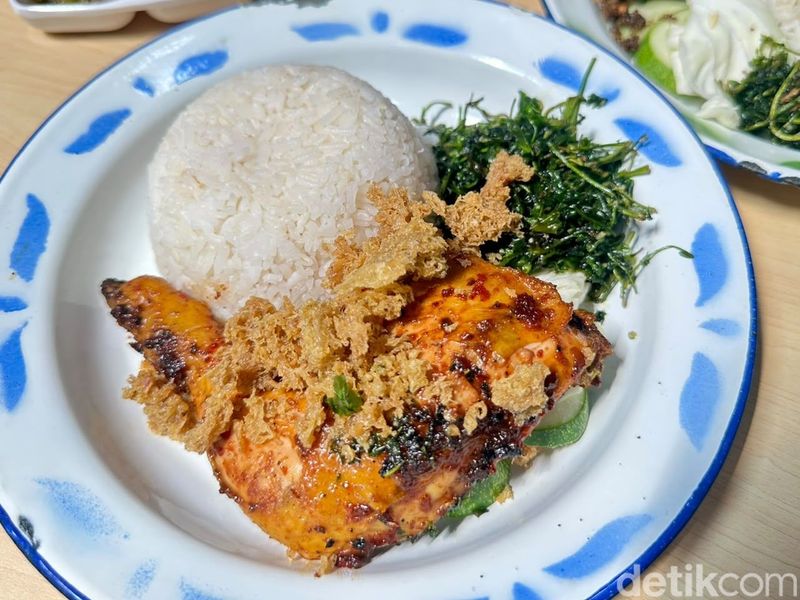
However, the consistency of the grilled chicken (Ayam Bakar) remains an area for improvement. While the flavor profile, defined by its smoky, sweet, and savory characteristics, is well-regarded, the temperature of the served dish has occasionally been noted as inconsistent. The management’s willingness to reheat products upon customer request is a positive sign of service-oriented operations, yet it highlights the need for better temperature retention protocols, such as the use of high-quality warming cabinets or a more efficient service workflow.
Broader Economic Implications
The success of ventures like Ayam Sowwry in Jakarta’s residential pockets is indicative of a broader shift in the city’s economic landscape. By utilizing existing infrastructure in residential areas, small businesses are revitalizing local economies and providing affordable dining options in an inflationary environment. This model also demonstrates how social media and digital platforms have effectively neutralized the "location disadvantage" that previously restricted businesses in hidden alleys.
The impact of this trend is multifaceted:
- Urban Revitalization: Increased foot traffic in previously quiet residential areas can lead to increased safety and interest in local infrastructure.
- Affordability: By keeping overhead costs low, these businesses can maintain prices that are accessible to the average Indonesian student or worker, a critical factor given the current economic climate.
- Cultural Preservation: By specializing in traditional preparations like Sambal Seruit or specific fried chicken techniques, these small businesses act as custodians of local culinary traditions, keeping them alive amidst the proliferation of fast-food chains.
Conclusion and Future Outlook
Ayam Sowwry has successfully transitioned from a singular delivery outlet to a physical establishment that serves as a communal hub in Setiabudi. While the business is currently in a phase of growth and operational refinement—evidenced by the occasional wait times and the need for better service standardization—the core product remains strong. The combination of high-quality, traditional ingredients with a pricing strategy tailored to the local demographic ensures that the brand is well-positioned for future success.
For those navigating the culinary landscape of South Jakarta, the establishment offers a compelling argument for the merits of the "hidden gem." As it continues to refine its service delivery and menu consistency, Ayam Sowwry is likely to remain a significant fixture in the local dining scene, proving that in the modern culinary era, quality and authenticity remain the most effective drivers of growth. Prospective visitors are encouraged to utilize online navigational tools to locate the address at Gang Eddy III Number 8, as the dense nature of the Setiabudi residential network can prove challenging for those unfamiliar with the area. Whether seeking a quick, satisfying lunch or an affordable dinner with a wide variety of local side dishes, the establishment provides a distinct and commendable experience.