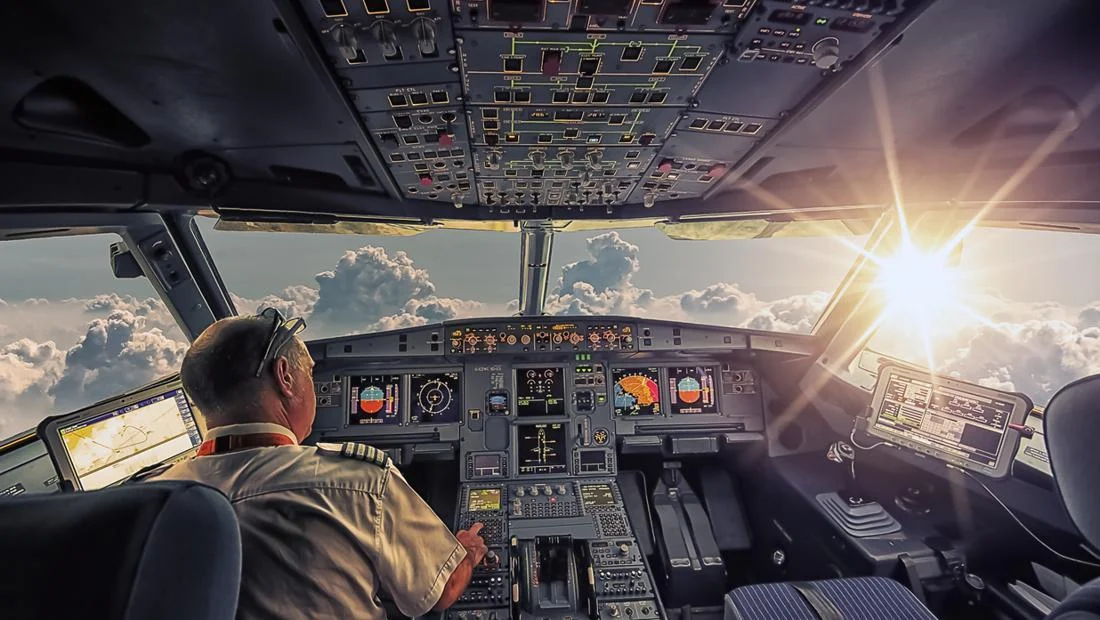
The modern commercial aviation industry prides itself on an unprecedented safety record, underpinned by sophisticated avionics, redundant systems, and rigorous training protocols. Yet, a startling new report from the European Cockpit Association (ECA) has brought to light a human-centric vulnerability that threatens to undermine these technological safeguards: chronic pilot fatigue and the prevalence of involuntary microsleep episodes. According to a recent comprehensive survey involving approximately 7,200 commercial pilots across Europe, an alarming 76.8% of respondents admitted to experiencing at least one instance of involuntary microsleep during a flight within the four weeks preceding the study.
Understanding the Phenomenon of Microsleep
Microsleep is defined as a transient state of unconsciousness that typically lasts for a few seconds. Unlike standard sleep, which is characterized by a gradual transition, microsleep occurs abruptly. For a pilot navigating a commercial aircraft, this condition is particularly treacherous. An individual experiencing a microsleep episode may appear to be awake, with eyes partially or fully open, yet their brain ceases to process environmental stimuli.
In the high-stakes environment of a cockpit, where split-second decision-making is mandatory, a gap of even five seconds can result in the loss of critical situational awareness. Pilots must constantly monitor flight management systems, altitude, weather patterns, and communication frequencies. When cognitive processing is suspended, the ability to respond to emergency alarms or sudden turbulence is severely compromised, placing the safety of hundreds of passengers at risk.
Survey Methodology and Statistical Breakdown
The ECA survey, which serves as a definitive snapshot of current labor conditions in European cockpits, offers a grim portrait of life in the skies. Beyond the 76.8% incidence rate of microsleep, the data highlights structural failures in how flight crews manage exhaustion:
- Chronic Rest Deficits: Approximately 38.8% of pilots reported that they frequently or consistently suffer from insufficient rest, suggesting that fatigue is not an isolated event but a persistent condition.
- The Reporting Gap: A culture of silence appears to be pervasive. Only 37.2% of surveyed pilots stated they would officially report themselves as unfit for duty due to exhaustion. Conversely, 24.2% explicitly stated they would continue to operate their flights despite feeling fatigued, citing fears of professional repercussions.
- The Commander’s Discretion Conflict: The use of "Commander’s Discretion"—a regulatory provision allowing for the extension of flight duty periods during unforeseen operational challenges—has become a point of contention. Some 38.3% of respondents utilized this provision in the last month, with 69.1% expressing significant concern that refusing such an extension would lead to punitive actions from their employers.
Chronology of Growing Concerns
The issue of pilot fatigue is not new, but it has gained momentum following the post-pandemic recovery of the aviation sector.
- 2020-2021 (The Pandemic Pause): Global aviation effectively grounded its fleet, leading to the furlough of thousands of pilots.
- 2022 (The Rapid Rebound): As travel demand surged, airlines faced a massive personnel shortage. Many pilots were recalled to duty with little transitional training, and those remaining were tasked with higher flight frequencies.
- 2023 (The Regulatory Scrutiny): Increased reports of "near misses" and operational fatigue led trade unions and associations like the ECA to begin systematic data collection.
- 2024 (The Current Crisis): The release of the ECA survey has shifted the conversation from anecdotal evidence to empirical, data-driven alarm, prompting calls for immediate regulatory intervention.
The Institutional Dilemma: Safety vs. Efficiency
The tension between operational efficiency and safety is the central conflict within this crisis. Airline business models are predicated on maximizing aircraft utilization. When flights are delayed due to weather or technical issues, the ripple effect often forces the crew to push their duty time to the legal limit.
Captain Coen George, a director at the ECA, has been vocal about the systemic pressure placed on flight crews. "The pressure to maintain a schedule is essentially cannibalizing the safety margin," George noted. When a pilot fears that admitting to exhaustion will result in a "black mark" on their personnel file or a loss of promotion opportunities, they will naturally choose to fly. This "self-imposed pressure" is a dangerous byproduct of a corporate culture that prioritizes performance metrics over human physiological limits.
Official Responses and the Role of EASA
The European Union Aviation Safety Agency (EASA) has acknowledged the severity of the findings. In a formal response, the agency emphasized that fatigue risk management systems (FRMS) are not merely bureaucratic checkboxes but essential safety infrastructure. EASA has reiterated that airlines must implement "just culture" policies—an industry standard where employees are encouraged to report errors or safety concerns without fear of retribution.
However, critics argue that policy is ineffective if it is not enforced at the operational level. EASA’s guidance suggests that the "Commander’s Discretion" should remain a rare exception, yet the survey data indicates it is being treated as a standard operating procedure for handling delays. The discrepancy between regulatory intent and industry practice remains the primary hurdle for aviation safety experts.
Broader Implications for Global Aviation
The implications of these findings extend far beyond European airspace. Global aviation is a highly interconnected ecosystem. The labor shortages and aggressive scheduling practices observed in Europe are mirror images of trends seen in North America, the Middle East, and Asia. As the global pilot workforce continues to age and retire, the influx of new, less experienced pilots—combined with the high-tempo demands of the current market—could exacerbate the risk of fatigue-related incidents.
Furthermore, the aviation industry faces an "experience gap." While technology has become more automated, the reliance on automation can lead to "automation bias," where pilots become complacent. When fatigue is added to this equation, the likelihood of a pilot failing to intervene during a critical system failure increases exponentially.
Economic and Ethical Considerations
From an economic standpoint, the cost of a fatigue-related incident is astronomical, potentially leading to the loss of life, the destruction of multi-million dollar assets, and the total erosion of passenger trust. Ethically, the burden of safety cannot rest solely on the shoulders of the pilot in the cockpit. It requires a multi-tiered approach:
- Regulatory Reform: Stricter limitations on duty extensions and mandatory rest periods that account for time-zone changes and circadian rhythm disruptions.
- Corporate Accountability: Airlines must move away from incentive structures that implicitly punish pilots for declaring themselves unfit for duty.
- Technological Integration: While current cockpits are advanced, there is a growing push for "fatigue monitoring technology" that can detect signs of drowsiness and alert the pilot before a microsleep occurs.
Conclusion: A Call for Structural Change
The report from the European Cockpit Association is a wake-up call for the entire aviation industry. Safety in aviation is not an accident; it is the result of continuous, deliberate effort. If a significant majority of pilots report that they are operating under conditions where they are prone to microsleep, then the current industry standard for "fitness for duty" is fundamentally flawed.
To ensure the future of safe commercial travel, regulators must bridge the gap between the rigid, time-based scheduling of the past and the reality of human biological performance. By fostering a culture where pilots are empowered to prioritize safety over schedules, and by enforcing strict adherence to fatigue management guidelines, the industry can address this invisible threat. The survival of aviation’s safety record depends on the ability to recognize that the most sophisticated computer in the cockpit is still the human brain, and it requires rest to function.