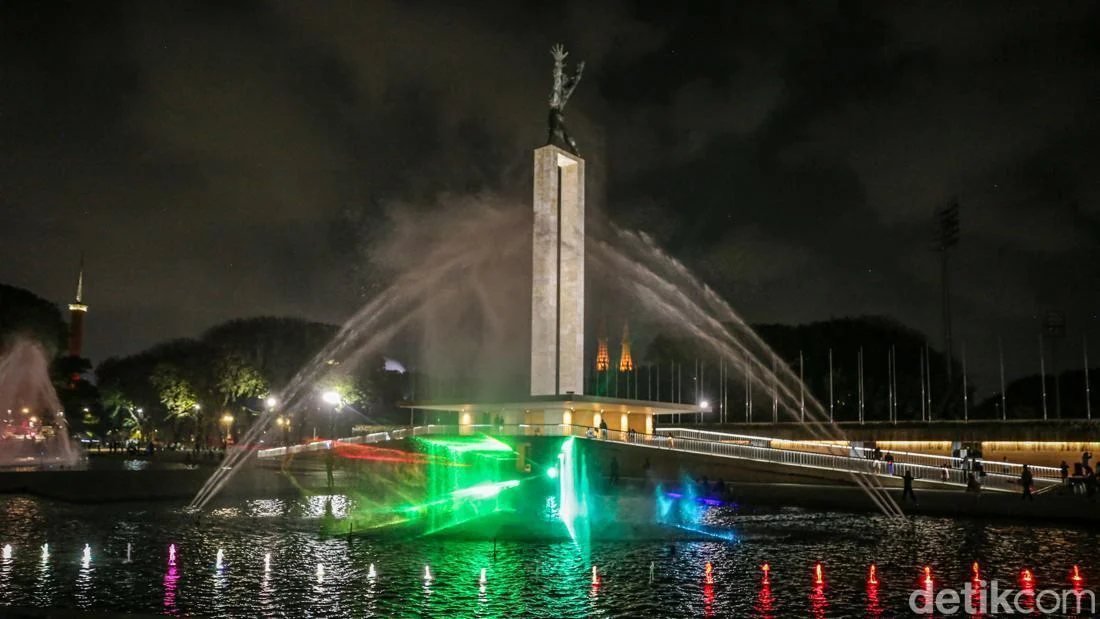
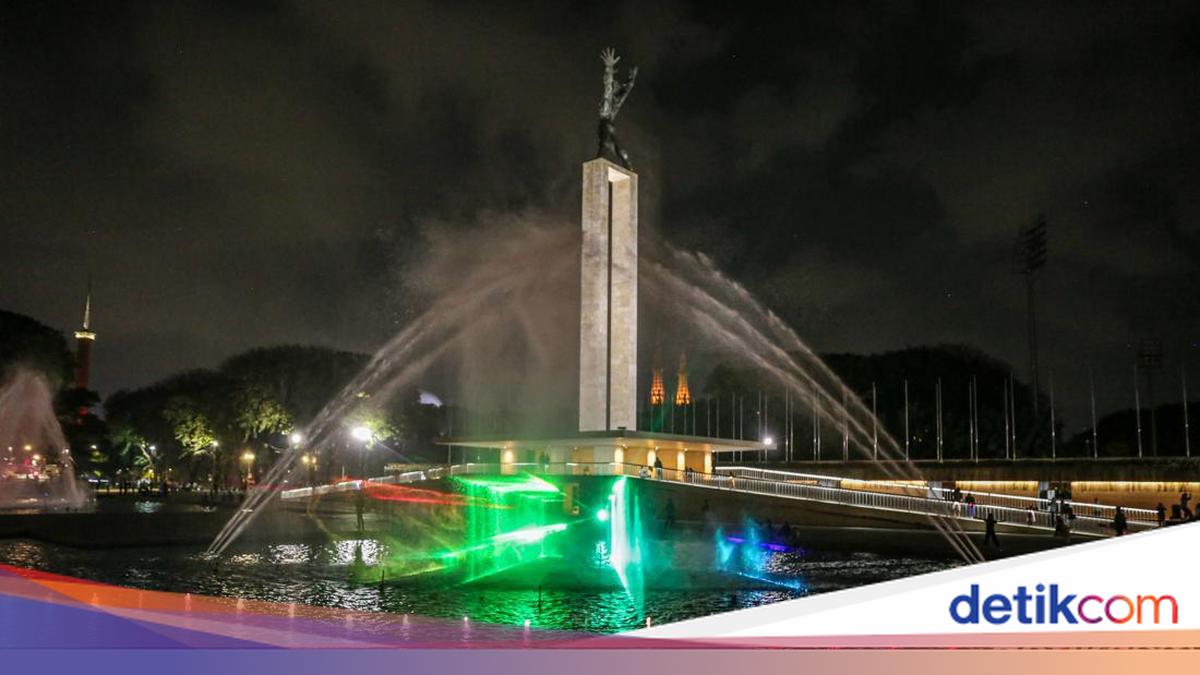
The Taman Lapangan Banteng in Central Jakarta has solidified its reputation as a premier destination for nocturnal urban recreation, following the latest iteration of its iconic dancing fountain show on Sunday, November 1, 2026. As the sun set over the capital, the park transformed into a vibrant stage where technology, water engineering, and cultural artistry converged to provide a free, world-class spectacle for residents and tourists alike. The performance, which has become a staple of the city’s public space revitalization efforts, drew hundreds of onlookers who gathered around the main fountain to witness the synchronized display.
A Symphony of Elements
The Sunday evening performance was characterized by an intricate choreography of water jets, which leaped and swayed in perfect synchronization with a curated selection of musical arrangements. This blend of light and movement is not merely a technical exercise but a sophisticated form of urban storytelling. As the water reached heights of several meters, high-intensity LED systems bathed the plumes in an ever-shifting spectrum of colors—ranging from deep, atmospheric violets and blues to energetic bursts of crimson and gold.
For the spectators, the show offered a brief respite from the fast-paced nature of Jakarta life. By integrating the fountains with high-resolution projection technology, the organizers succeeded in creating a "water screen" effect. One of the most striking moments of the evening involved the projection of a silhouetted martial artist (pesilat) performing traditional movements onto the curtain of falling water. This integration of digital media and traditional Indonesian pencak silat served as a poignant reminder of the nation’s commitment to preserving heritage within a modernizing urban framework.
The Evolution of Lapangan Banteng
The current iteration of the Lapangan Banteng fountain show is the result of years of strategic planning by the Jakarta Provincial Government. Once known primarily as a historic site home to the West Irian Liberation Monument, the park underwent a significant revitalization project that concluded in its current form in recent years. The inclusion of a dancing fountain was a central pillar of the park’s redesign, intended to serve both as a recreational amenity and a symbolic "living room" for the city.
Historically, Lapangan Banteng—formerly known as Waterloo Square during the Dutch colonial era—has served as a site of political and social gathering. The transition from a colonial military parade ground to a modern public park reflects the broader evolution of Jakarta as a global metropolitan city. By providing free access to high-quality entertainment, the local government has effectively democratized leisure, ensuring that residents from all socioeconomic backgrounds can enjoy the city’s public assets.

Technical and Operational Context
Maintaining a fountain of this scale requires a complex infrastructure that operates largely out of sight. The system utilizes advanced hydraulic controls capable of adjusting water pressure in real-time, allowing for the precise, rhythmic movements that define the "dance." Experts in urban design note that such installations are not only aesthetic but also functional, as they contribute to micro-climate regulation within the park. The evaporation from the fountain helps to mitigate the urban heat island effect, providing a cooler, more comfortable environment for visitors even during humid evenings.
The logistics of the show involve a team of engineers and technicians who manage the synchronization between the audio software and the mechanical pumps. According to municipal guidelines, the shows are typically scheduled during weekends and public holidays to maximize accessibility for families. This scheduling allows for the maintenance of the mechanical systems during the week, ensuring that the fountain’s performance remains consistent and safe for the public.
Socio-Economic Impact on Urban Tourism
The popularity of the dancing fountain at Lapangan Banteng has had a quantifiable impact on the local tourism sector in Central Jakarta. By acting as an anchor attraction, the park encourages visitors to explore the surrounding area, including nearby historic landmarks such as the Immanuel Church and the Istiqlal Mosque. This "cluster effect" benefits local vendors and small businesses in the vicinity, who see increased foot traffic during the hours leading up to and following the performance.

Furthermore, the presence of such attractions is vital for the psychological well-being of the urban population. Studies in urban planning often highlight the necessity of "third spaces"—social environments separate from the two primary environments of home and work. Lapangan Banteng functions as a critical third space, fostering social cohesion and providing a venue for community interaction. The fact that the attraction is free of charge is a significant policy decision, prioritizing public access over commercial revenue, which is a hallmark of successful modern city management.
Cultural Identity Through Digital Expression
The decision to incorporate elements of Indonesian culture, such as the projection of the silhouetted pesilat, represents a deliberate effort by the city to curate a modern cultural identity. By utilizing modern technology to showcase traditional arts, the government is effectively bridging the gap between younger, tech-savvy generations and the rich heritage of the archipelago.
This hybrid approach to public art is gaining traction globally. From the light shows in Singapore to the fountain displays in Las Vegas or Dubai, cities are increasingly using digital water installations as a signature of their brand. However, Jakarta’s approach remains distinct by anchoring its digital narrative in indigenous values. The visual representation of silat on the water screen is not just a light show; it is an affirmation of identity.
Challenges and Future Prospects
While the event remains highly successful, it is not without its challenges. Maintaining a high-tech facility in a tropical, high-humidity environment requires constant vigilance and significant budget allocation. Corrosion, mineral buildup in the nozzles, and electrical maintenance are constant concerns for the municipal park authorities.
Looking ahead, stakeholders suggest that there is potential for expanding the scope of these performances. Potential future developments could include interactive elements where visitors might be able to influence the light patterns through mobile applications, or expanding the musical repertoire to include more diverse genres of Indonesian music, ranging from traditional gamelan to contemporary jazz. Such evolutions would ensure that the attraction remains fresh and continues to draw return visitors.
Public Response and Community Engagement
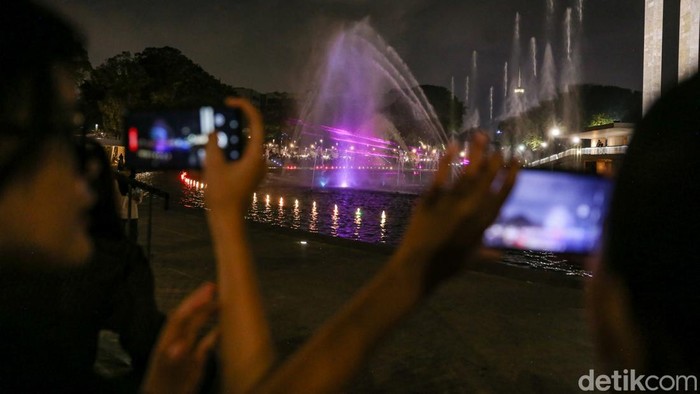
The feedback from the public, observed through the high turnout and positive reception on social media platforms, underscores the success of the initiative. Families, students, and tourists frequently document the experience, creating a cycle of "earned media" that promotes the park as a must-visit destination. For many residents, the fountain show has become a regular weekend tradition, a point of pride that signifies the progress of the city’s infrastructure.
As of November 2026, the performance continues to be a symbol of resilience and growth for Jakarta. The ability of the city to provide such a sophisticated experience at no cost to the public is a testament to the prioritization of public space in urban development. As the city continues to navigate the complexities of rapid urbanization, the success of the Lapangan Banteng fountain serves as a blueprint for how public spaces can be transformed into centers of culture, community, and joy.
In conclusion, the dancing fountain at Taman Lapangan Banteng represents much more than a mere visual spectacle. It is a harmonious intersection of engineering, art, and heritage. By continuously refining the show and ensuring its accessibility, the city of Jakarta has demonstrated a profound understanding of what makes a city truly livable: the creation of moments of beauty and connection that are available to all. As the curtains of water continue to dance under the Jakarta night sky, they remind both residents and visitors alike that even in the midst of a bustling, modern capital, there is always room for the sublime.