The closure of all mountain climbing activities across West Java, enacted to mitigate the severe risks of forest and land fires during an extended dry season, has temporarily halted the ambitions of countless outdoor enthusiasts. Despite the strict prohibition outlined in the official gubernatorial directive—signed by West Java Governor Dedi Mulyadi under decree number 116/KH.02.04.03/ASDA EKBANG and effective from September 1, 2026—adventure-seeking families have found alternative ways to engage with nature. Rather than surrendering to seasonal restrictions, seasoned hikers are turning toward lower-altitude exploration, blending outdoor education with strict adherence to regional safety protocols.
Regulatory Background and Environmental Context
The sweeping ban on mountain expeditions across West Java was implemented in response to heightened vulnerabilities associated with the dry season, locally known as kemarau. Prolonged dry spells significantly elevate the threat of forest and land fires, commonly referred to in Indonesia as karhutla. Environmental agencies and disaster mitigation boards frequently point out that human activities, including recreational campfires, discarded cigarette butts, and unauthorized open flames, represent primary triggers for these ecological disasters.
By halting regular tourist traffic and summit expeditions, regional authorities aim to optimize environmental monitoring and reduce emergency response burdens. While conservationists and forestry officials have praised the preventative measure for safeguarding fragile alpine ecosystems, the restriction has inevitably impacted local tourism economies and disappointed dedicated climbers. Among those affected are young mountaineers eager to build their climbing resumes, though regional authorities maintain that public safety and habitat preservation remain paramount until weather conditions stabilize.

An Alternative Route: The Journey to Sadarehe
For families deeply rooted in outdoor culture, the closure of summit paths does not mean an end to physical conditioning and exploration. On Saturday, September 12, 2026, a family expedition departed from Cirebon at 07:00 Western Indonesia Time (WIB), setting its sights on the Sadarehe trail system on the slopes of Mount Ciremai. The trip served both as a physical alternative and as a nostalgic return to a landscape the family first documented four years prior, on November 5, 2022.
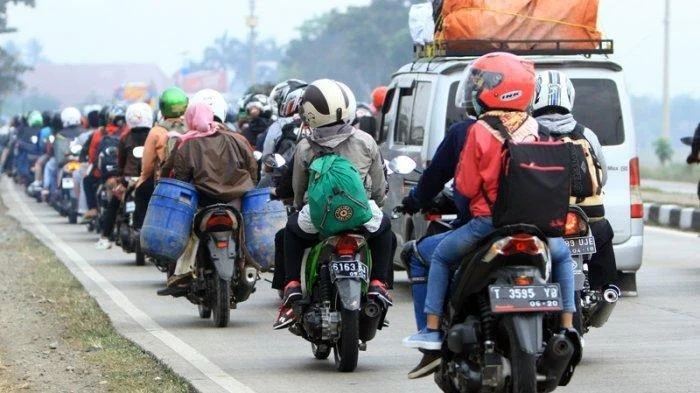
The journey began with a 90-minute motorcycle ride covering the distance to the Sadarehe base camp (BC), located in Payung Village within the Rajagaluh District of Majalengka Regency. Upon arrival, the base camp presented a stark contrast to the bustling tourist weekends typically recorded earlier in the peak season. Welcomed by local custodians, the family registered their presence with a clear understanding of the boundaries: while hiking through the lower agricultural zones and foothills was permissible, summit attempts remained strictly off-limits.

Navigating the Agricultural Foothills and Changing Landscapes
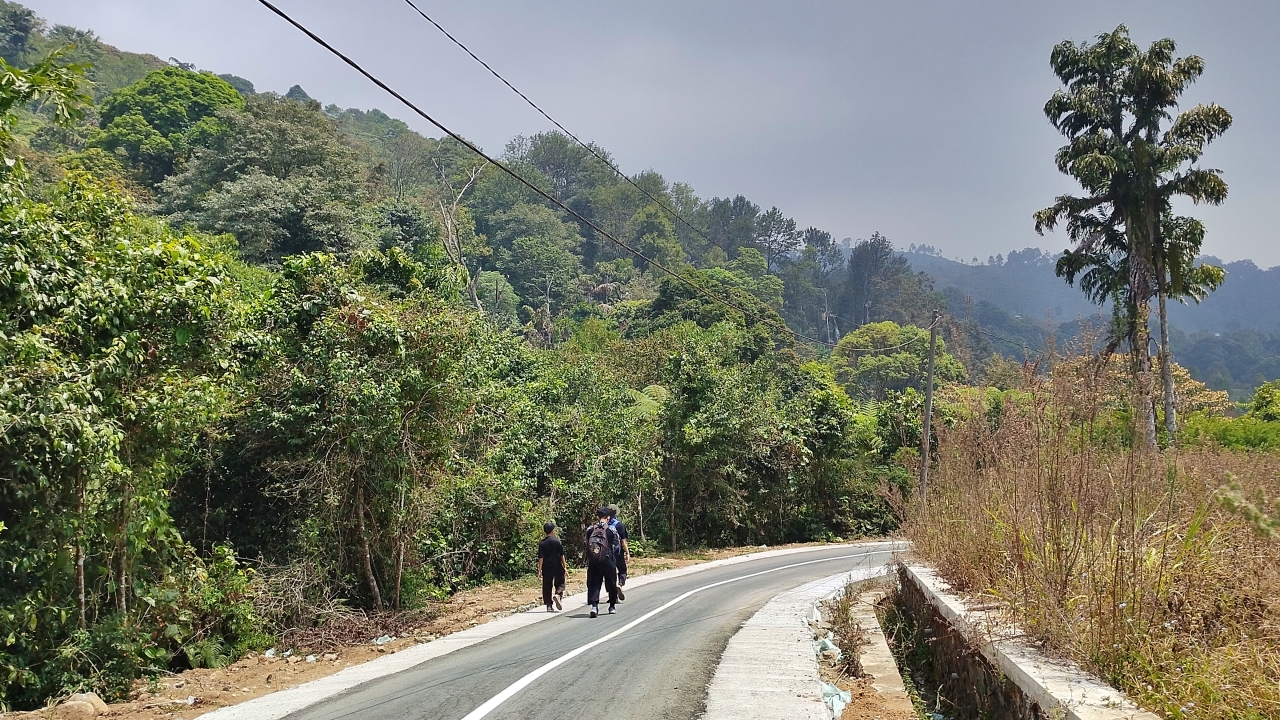
Setting off on foot at 08:45 WIB, the expedition navigated the winding asphalt roads that weave through local settlements, extensive orchards yielding jackfruit and durian, dense pine forests, and designated camping grounds. The route transitions from village infrastructure into the official operational zone managed by the Mount Ciremai National Park (TNGC).
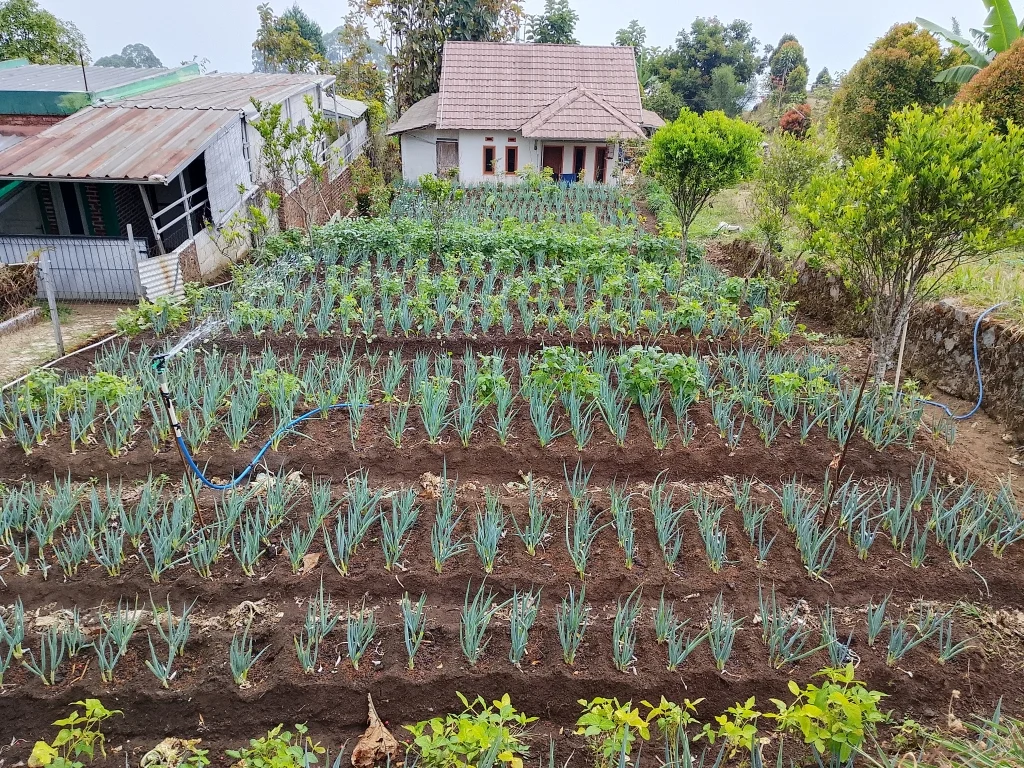
The topography of Payung Village supports a thriving agricultural economy. High-altitude farming plots generate consistent yields of corn, pumpkins, cabbage, chili peppers, tomatoes, and scallions. Along the ascent, travelers encounter a microcosm of rural socioeconomic dynamics, where modest farmhouses sit in close proximity to expansive modern estates equipped with advanced irrigation systems, such as rotating sprinklers watering vast fields of scallions.

As the hikers progressed past the junction leading toward the Bukit Cariu and Bukit Situmpuk base camps, they observed steady activity among day-hikers and fitness enthusiasts engaging in fast-paced single-day treks—commonly known locally as tektokers. Despite the broader closure of major West Java peaks, local checkpoints reported steady weekend visitor numbers averaging around one hundred individuals exploring the lower foothills, utilizing specialized transport services such as mountain motorcycle taxis (ojek gunung) to reach intermediate trailheads.
Chronology of the Trek and Navigational Challenges
The expedition adhered to a steady pace, balancing physical conditioning with environmental observation:

- 07:00 WIB: Departure from Cirebon via motorcycle toward Majalengka Regency.
- 08:30 WIB: Arrival at Sadarehe Base Camp, coordination with local base camp management, and verification of regional hiking restrictions.
- 08:45 WIB: Commencement of the trek on foot, moving through pine forests and agricultural belts toward Kebon Raja.
- 10:15 WIB: Arrival at the Cidewata peak junction, followed by a brief hydration and rest period under the shade of pine canopies.
- 11:00 WIB: Reached an ongoing road-paving construction zone, signaling infrastructural updates aimed at improving accessibility for agricultural transport and future ecotourism.
- 11:21 WIB: Successful arrival at Kebon Raja, the historical staging ground for Ciremai expeditions via Sadarehe.
- 12:30 WIB: Completion of midday meal, prayer services, and preparation for the descent via the Bukit Cidewata route.
- Pre-Asar: Successful return to the starting point at the base camp, concluding a zero-incident, low-impact educational journey.
During the ascent toward Kebon Raja, the team encountered typical markers of remote agricultural staging areas, including localized organic fertilizer storage points and the historic radio repeater station operated jointly by the National Search and Rescue Agency (Basarnas) and the Amateur Radio Organization of Indonesia (Orari). Navigational hurdles, including temporary mobile signal disruptions and minor route misdirections near infrastructural development sites, were successfully managed using historical familiarity with the terrain and visual landmarks.
Socioeconomic Implications and Outlook
The temporary suspension of mountain climbing in West Java highlights the delicate balance between regional economic recovery and ecological conservation. Mountain tourism serves as a vital financial lifeline for surrounding communities, supporting mountain guides (rangers), local homestays, base camp operators, and transportation providers. However, prolonged dry seasons present catastrophic risks that far outweigh short-term economic gains.

Local stakeholders remain hopeful that upcoming seasonal transitions will bring sufficient rainfall to alleviate fire risks, allowing regulatory bodies to lift the ban safely. Until then, alternative low-impact itineraries—such as cultural trekking, agricultural tourism, and foothills exploration—demonstrate that public engagement with nature can persist responsibly, ensuring that the conservation of landscapes like Mount Ciremai remains a shared priority for both authorities and the community.