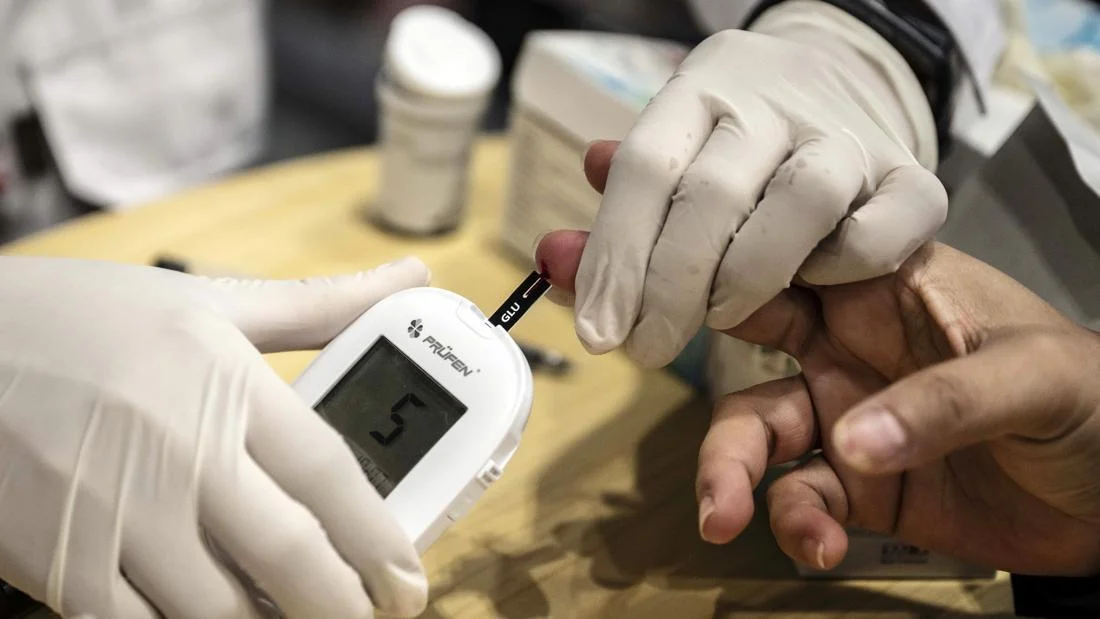
Maintaining stable blood glucose levels has long been a cornerstone of preventive medicine, particularly as metabolic disorders such as type 2 diabetes continue to rise globally. Recent scientific investigations have consistently pointed toward the profound impact of physical movement on metabolic health. In a fascinating breakthrough that underscores the power of micro-workouts, researchers from San Diego State University have discovered that just one minute of light-intensity stair climbing can significantly mitigate post-meal blood sugar spikes. This unexpected finding bridges the gap between sedentary lifestyles and acute metabolic management, offering a practical, highly accessible strategy for individuals looking to safeguard their long-term health through simple lifestyle modifications.
The Landmark Study: Methodology and Immediate Findings
The study, conducted and published earlier this year, set out to examine the immediate physiological impacts of brief, low-intensity physical activity on carbohydrate metabolism. Researchers observed a cohort of participants who were subjected to controlled glucose ingestion tests. During these trials, the participants engaged in a modest routine of walking and ascending one to two flights of stairs for a duration of merely 60 seconds.
The results defied conventional expectations. Participants who performed the brief stair-climbing activity demonstrated blood sugar spikes that were approximately 40 percent lower compared to control periods where they remained entirely sedentary. This pronounced suppression of glycemic elevation was not merely fleeting; researchers recorded that the protective effect persisted for up to 80 minutes following the consumption of a high-glycemic sugar solution, although the physiological impact gradually tapered off over time.
Senior study author Jochen Kressler, a professor of exercise physiology at San Diego State University, expressed profound astonishment at the scale of the physiological response. Speaking to academic circles and the media, Kressler noted that the sheer magnitude of the effect caught the research team off guard, given the minimal investment of time and effort required by the participants. "Sejujurnya, rasanya hal ini seharusnya tidak berhasil, setidaknya tidak dengan efek sebesar ini," Kressler remarked in a previous interview with The Washington Post, translating the sentiment that an intervention this brief yielding such substantial results was fundamentally counterintuitive.
Contextualizing the Research: Scope, Limitations, and Expert Cautions
While the statistical outcomes of the San Diego State University study are undeniably promising, the academic community emphasizes the necessity of contextualizing these findings within the boundaries of the research design. Science requires rigorous scrutiny, and the study in question does possess notable limitations that warrant careful consideration before broad clinical applications are recommended.
First, the scale of the study was relatively modest, featuring a small participant pool composed entirely of 30 healthy exercise physiology undergraduate students. Consequently, the cohort did not reflect a diverse demographic spectrum, nor did it include individuals diagnosed with prediabetes, metabolic syndrome, or established diabetes. Furthermore, the testing protocol relied on standardized sugar solutions rather than complex, whole-food meals containing varied macronutrient profiles of fats, proteins, and complex carbohydrates.
Professor Kressler himself has been vocal about exercising restraint regarding the immediate clinical translation of these insights. He explicitly noted that the findings cannot be generalized yet to individuals living with type 2 diabetes—a chronic condition characterized by the body’s inability to produce sufficient insulin or utilize it effectively to clear circulating glucose from the bloodstream. Furthermore, because long-term metabolic adaptations remain unmeasured, Kressler cautioned against substituting comprehensive, structured exercise regimens with isolated, one-minute stair climbs. The scientific community currently lacks data on whether these acute glycemic reductions translate into sustained hemoglobin A1c improvements over months or years.
The Biochemical Threat of Postprandial Glycemic Spikes
To understand why a one-minute intervention is generating substantial interest among endocrinologists and dietitians, one must examine the physiological mechanics and long-term consequences of frequent blood glucose fluctuations. Following the consumption of meals rich in carbohydrates, systemic blood glucose naturally rises as digestive enzymes break down starches and sugars into monosaccharides. While transient elevations are normal, chronic, sharp postprandial (post-meal) spikes impose significant oxidative stress on the vascular endothelium.
Lisa Marsh, a clinical registered dietitian from the Baylor Scott & White Health Texas Provider Network, highlights the extensive systemic damage associated with unmanaged glycemic volatility. According to clinical observations, frequent and severe blood sugar spikes are intrinsically linked to the pathogenesis of severe chronic illnesses, including cardiovascular disease, nephropathy (kidney damage), cognitive decline, dementia, and advanced type 2 diabetes.
Beyond the long-term pathological consequences, the short-term physiological toll of erratic blood sugar can severely disrupt daily functioning. Clinical manifestations of acute glucose fluctuations include persistent fatigue, cognitive impairment colloquially referred to as "brain fog," generalized physical weakness, and acute mood disturbances. These symptoms underline the reality that blood glucose management is not solely a concern for those diagnosed with clinical pathology; it is fundamentally tied to daily cognitive and physical vitality.
Understanding Normal Glycemic Ranges
Establishing a baseline of what constitutes healthy blood glucose is essential for effective personal health management. According to guidelines provided by the Centers for Disease Control and Prevention (CDC), normal glycemic parameters vary throughout the day based on fasting states, nutritional intake, and metabolic efficiency.
For generally healthy individuals without diabetes, standard blood sugar benchmarks generally adhere to specific thresholds:
- Pre-Meal (Fasting) Levels: Typically range between 80 and 130 milligrams per desiliter (mg/dL).
- Post-Meal (Postprandial) Levels: Generally remain below 180 mg/dL one to two hours following the consumption of food.
When these boundaries are consistently exceeded, the body’s homeostatic mechanisms struggle to maintain equilibrium, signaling the potential onset of insulin resistance.
Comprehensive Strategies for Sustainable Blood Glucose Control
While micro-interventions like a one-minute stair climb offer an innovative tool for acute glucose mitigation, healthcare authorities stress that long-term metabolic health relies on a holistic approach encompassing nutrition, hydration, and consistent physical activity. Integrating multifaceted habits provides the most robust defense against metabolic dysfunction.
1. Strategic Physical Activity
The American Heart Association (AHA) emphasizes that regular movement serves as an active cellular mechanism. When muscles contract during physical activity—whether through structured aerobic exercise, resistance training, or brief bouts of stair climbing—they increase their uptake of glucose from the bloodstream. This process occurs independently of insulin to a significant degree, allowing active muscle tissue to utilize circulating sugar directly as a primary fuel source.
2. Balanced Nutritional Intake
Dietary composition remains a foundational pillar of metabolic control. Incorporating a nutrient-dense, balanced diet rich in non-starchy vegetables, high-fiber fruits, healthy fats, and lean proteins helps slow the rate of gastric emptying and carbohydrate absorption. This gradual release of glucose prevents the sharp, precipitous peaks and valleys characteristic of diets high in refined sugars and processed grains.
3. Adequate Hydration
Maintaining optimal fluid intake is frequently underestimated in its capacity to regulate blood glucose. Clinical nutritionists, such as Sapna Peruvemba, note that proper hydration supports renal function. The kidneys rely on adequate water volume to efficiently filter excess circulating glucose from the bloodstream, excreting the surplus safely through urine and preventing concentrated accumulation.
4. Consistent Meal Timing
Establishing regular dietary patterns prevents the metabolic disruptions caused by erratic eating habits. Baylor Scott & White Health experts caution that frequently skipping meals can inadvertently suppress metabolic efficiency, making subsequent blood sugar management and weight regulation significantly more difficult. Consistent meal timing stabilizes energy reserves and mitigates the intense neurological and physiological cravings that often trigger overeating.
Broader Implications and Future Research Directions
The revelation that a trivial, 60-second burst of stair-climbing can suppress blood sugar spikes by 40 percent marks a paradigm shift in how public health advocates might encourage physical movement. In an increasingly sedentary society constrained by desk-bound occupations and urban lifestyles, the psychological barrier to exercise remains a formidable obstacle. Traditional public health messaging dictating 30 minutes of continuous daily exercise often overwhelms individuals who feel they lack time or physical stamina.
By demonstrating that micro-doses of physical activity yield measurable, scientifically validated metabolic benefits, researchers are paving the way for a more inclusive, accessible approach to preventative healthcare. Future investigations will undoubtedly expand upon these findings, testing diverse demographic cohorts, utilizing real-world mixed meals, and evaluating the long-term efficacy of micro-workouts in preventing the progression of prediabetes into full-scale metabolic disease. Until then, incorporating small bursts of physical activity throughout the day stands out as a scientifically backed, zero-cost strategy for optimizing human metabolic health.