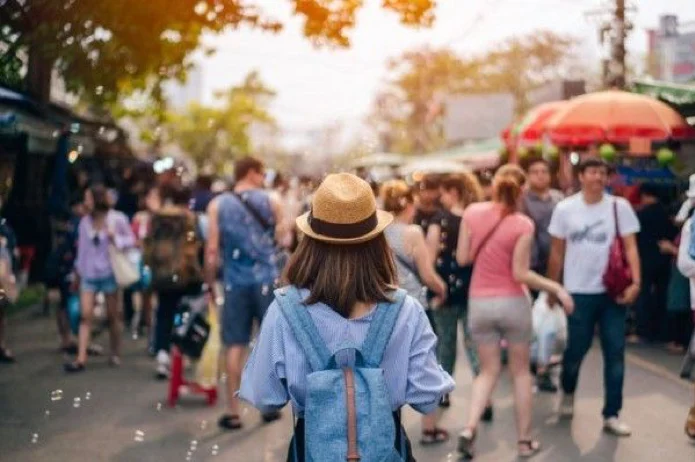
The contemporary landscape of global travel has undergone a seismic shift, particularly among the millennial and Gen Z demographics. Where previous generations prioritized the accumulation of tangible assets—such as real estate, vehicles, and long-term financial reserves—modern cohorts are increasingly shifting their capital allocation toward experiential travel. This transition is not merely a trend but a fundamental restructuring of personal finance and life priorities, rooted in the belief that the psychological and educational dividends of travel outweigh the stability of traditional material investments.
The Shift in Economic Priorities
Sociological data indicates a growing preference for "life-enriching" expenditures. A study by the Harris Group found that 72% of millennials prefer to spend their money on experiences rather than material goods. This shift is driven by a combination of factors, including the democratization of travel through low-cost carriers, the rise of the digital nomad economy, and the influence of social media as a tool for cultural discovery.
Historically, the post-World War II era emphasized home ownership and retirement security as the primary markers of adulthood. However, the current economic climate, characterized by higher costs of living and a volatile housing market, has led younger generations to adopt a "now-oriented" approach to personal development. By prioritizing travel, individuals are effectively investing in "human capital"—the skills, cultural awareness, and emotional intelligence gained through exposure to foreign environments.
Chronology of the Experience Economy
The rise of lifestyle travel did not occur in a vacuum. It can be traced back to the early 2010s, with the maturation of the internet and the subsequent boom in global connectivity.
- 2010–2014: The rise of travel blogging and early social media platforms (Instagram, Pinterest) transformed personal travel into a public narrative. The "gap year" concept began to transcend academic boundaries, becoming a legitimate career break.
- 2015–2019: The "sharing economy" (Airbnb, Uber) lowered the barriers to entry for international exploration. Travel became more accessible and personalized, moving away from rigid, pre-packaged tour groups toward independent, immersive itineraries.
- 2020–2021: The COVID-19 pandemic caused a temporary contraction in the global tourism industry. However, it also sparked a "revenge travel" phenomenon in 2022, as individuals re-evaluated the fragility of life and the importance of seizing opportunities for exploration.
- 2023–Present: Travel has cemented itself as a core component of work-life balance, with a significant increase in "bleisure" (business + leisure) and remote work arrangements that facilitate long-term travel.
Statistical Insights on Millennial Travel
Industry analysis from organizations like the World Tourism Organization (UNWTO) highlights that young travelers are the fastest-growing segment of the global tourism market. Millennials, who currently constitute the largest share of the workforce, are spending an estimated $200 billion annually on travel.
A key factor contributing to this trend is the influence of digital technology. With over 85% of millennials utilizing smartphones to plan and book their trips, the friction associated with travel has been significantly reduced. Furthermore, the rise of the "experience-based economy" is supported by evidence that people who spend money on travel report higher levels of long-term life satisfaction compared to those who spend on luxury consumer goods.
The Psychological and Professional Benefits
Beyond the recreational appeal, there is a growing consensus among behavioral psychologists that travel fosters critical life skills. Navigating unfamiliar landscapes, managing logistics in foreign languages, and interacting with diverse cultures contribute to cognitive flexibility.
From a professional standpoint, employers increasingly value "global literacy." The ability to adapt to new environments and communicate across cultural divides is considered a premium soft skill in a globalized economy. Consequently, those who integrate travel into their lifestyle are often perceived as more resilient and adaptable in high-pressure work environments.
Strategic Implementation of Lifestyle Travel
For those looking to transition into a travel-oriented lifestyle, experts emphasize that success requires more than just capital; it demands a strategic mindset. The following pillars serve as the foundation for sustainable, long-term travel:
1. Strategic Risk Management and Courage
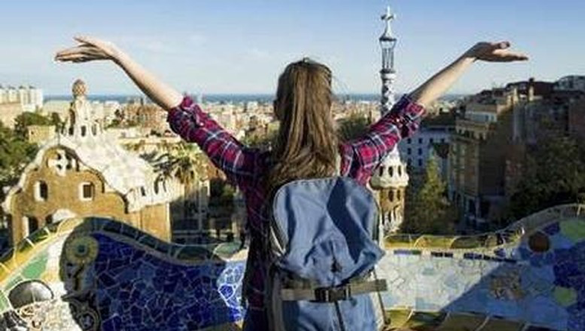
The primary barrier to consistent travel is often the perception of risk. Moving beyond the "comfort zone" requires an objective assessment of one’s capabilities. Rather than waiting for a substantial financial cushion, proponents of this lifestyle suggest adopting a "survival-first" mentality. This involves learning to manage limited resources effectively and viewing challenges—such as travel delays or language barriers—as opportunities for personal growth rather than impediments.
2. Fluidity and Adaptability in Planning
While rigid, minute-by-minute itineraries may provide a sense of security, they often preclude the serendipity that makes travel transformative. Successful modern travelers advocate for "loose planning." By setting broad objectives rather than fixed schedules, travelers remain open to local recommendations and unexpected cultural experiences that are often the highlight of any journey. This approach requires high levels of flexibility and the willingness to pivot when plans inevitably change.
3. Cultural Integration and Empathy
Lifestyle travel is distinct from traditional tourism in its focus on integration. Rather than observing from a distance, the modern traveler seeks to understand the local fabric of the destination. This includes engaging with local residents, respecting regional customs, and learning basic linguistic markers. The objective is to move from being a consumer of a location to a participant in its community. This not only enhances the travel experience but also minimizes the negative impacts of tourism on local environments.
Broader Implications and Societal Impact
The shift toward lifestyle travel has significant implications for local economies and urban planning. As more individuals prioritize experiences, secondary cities and remote regions are seeing an influx of economic activity that was previously concentrated in major tourist hubs. This diversification of tourism can lead to more equitable economic development, provided it is managed sustainably.
However, there is a counter-argument regarding the environmental impact. The surge in global travel has raised valid concerns regarding carbon footprints and over-tourism. As a result, the "responsible travel" movement has gained momentum, urging individuals to prioritize slow travel—staying in one location for longer periods rather than taking multiple short, high-emission trips.

Expert Perspectives
Economists specializing in consumer behavior note that the "investing in experiences" trend is a rational response to a world where digital saturation has made tangible goods feel ephemeral. According to Dr. Elena Vance, a sociologist focusing on generational trends: "The millennial focus on travel is an attempt to create a ‘bank of memories’ that cannot be devalued by inflation or economic downturns. It is a hedge against the uncertainty of the future."
Conclusion: A New Standard of Living
Lifestyle traveling has transcended its origins as a luxury hobby to become a central pillar of modern life. It represents a fundamental change in how individuals define success and security. By emphasizing adaptability, courageous exploration, and meaningful engagement with the world, the current generation is redefining the meaning of a life well-lived. While the challenges of sustainable travel remain, the trend toward experiential living is likely to continue, shaping the future of global culture and the global economy for decades to come. As the world continues to shrink through technology, the imperative to explore and understand the diversity of the human experience remains as vital as ever.