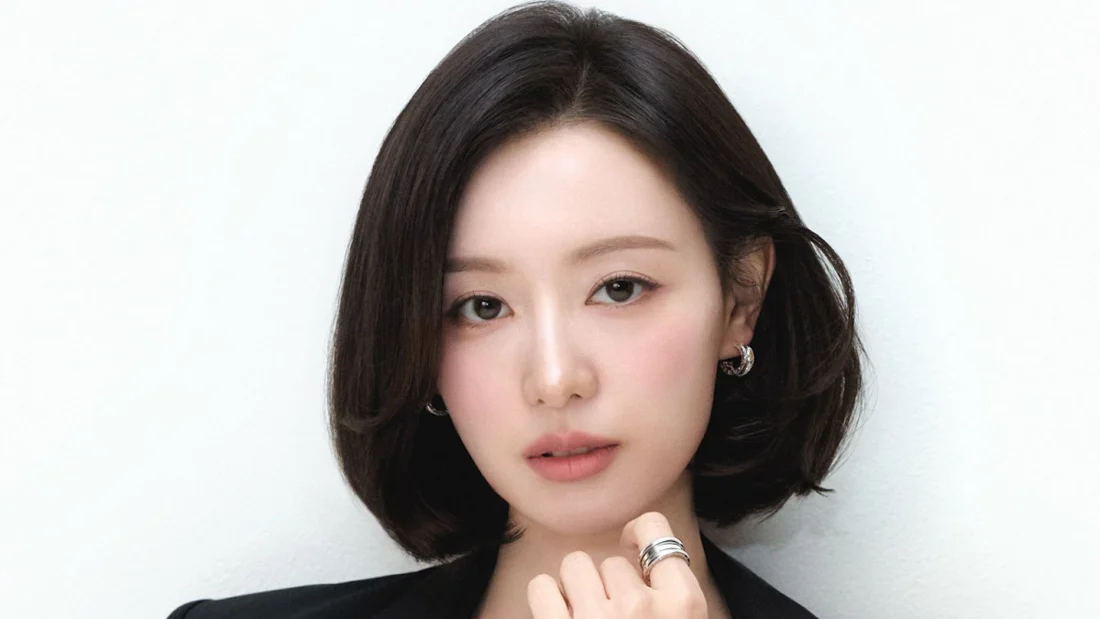
The South Korean entertainment industry is currently witnessing a notable shift in aesthetic trends among its most prominent leading ladies, capturing the intense scrutiny and enthusiastic approval of netizens and media outlets alike. A wave of top-tier actresses has simultaneously debuted dramatic transformations, opting for chic, short bob and cropped hairstyles that break away from the traditional long, flowing tresses historically favored in mainstream Korean media. This collective stylistic evolution is not merely a matter of personal preference or fleeting seasonal fashion; rather, it reflects a deeper industry-wide alignment with complex character profiles, demanding physical transformations for roles in upcoming high-profile television series and cinematic releases.
As audiences and industry analysts dissect these striking visual updates, the phenomenon has reignited broader cultural conversations regarding the portrayal of professional, independent, and multifaceted female characters in contemporary South Korean storytelling. From medical dramas set in high-stakes hospital environments to historical thrillers and webtoon adaptations, the short bob has officially established itself as the defining hairstyle of the current entertainment season.
Character-Driven Transformations: The Catalyst Behind the Trend
In the highly competitive ecosystem of Hallyu entertainment, an actor’s physical appearance is frequently leveraged as a narrative tool. The recent surge of short hairstyles among South Korean actresses is predominantly driven by rigorous character preparation, where directors, writers, and actors collaborate to visually communicate a role’s professionalism, rebellion, or historical context before a single line of dialogue is delivered.
Kim Ji Won initiated considerable online discussion when she committed to cutting her signature long hair to portray a brilliant and unorthodox surgeon, Gye Soo Jung, in the highly anticipated medical drama Doctor X: Age of the White Mafia. The character demands an aura of uncompromising precision and intellectual dominance, qualities that the sharp, structured bob successfully amplifies on screen. Industry insiders note that such physical commitments often serve to distance acclaimed actresses from previous romantic comedy personas, allowing them to anchor themselves more firmly in authoritative, career-driven roles.
Similarly, Kim You Jung underwent a drastic transformation, adopting a cropped look for her role in the upcoming 1930s-set period piece 100 Days of Deception. Navigating the sociopolitical complexities of Korea under Japanese colonial rule required a distinct visual departure for the young star, whose character operates within a turbulent historical landscape. The physical shift from her usual soft, romantic styling to a stark, vintage crop has been cited by costume and hair supervisors as a vital component in establishing the authentic grit of the era.
Medical Professionals, Legal Experts, and Webtoon Icons
The trend extends deeply into the procedural and legal genres, where realism and efficiency dictate character design. Im Yoon-ah, widely known as Yoona, surprised fans following the conclusion of her work on Bon Appetit Your Majesty when she debuted a sharp bob. While initially interpreted as a post-project style refresh, industry speculation quickly linked the haircut to her casting as a forensic pathologist in the medical mystery series Unnatural. In forensic science dramas, practicality and unyielding focus are paramount, making the short cut an ideal aesthetic choice to convey an analytical and clinical mindset.
In a similar vein, veteran actress Jang Nara has deliberately maintained a cropped hairstyle to anchor her portrayal of Cha Eun Kyung, a cynical and formidable divorce lawyer, in the second season of her hit legal series. Returning alongside co-star Kim Hye Yoon, Jang’s character relies on a crisp, authoritative appearance to command respect in a cutthroat courtroom environment. The hairstyle functions as armor, visually reinforcing the character’s hardened defense mechanisms built over years of dealing with marital dissolution and high-stakes litigation.
Meanwhile, singer and actress IU approached her transformation with characteristic spontaneity. While filming a music video, she impulsively decided to cut her hair short, later citing practical advantages such as significantly reduced drying and styling times during grueling production schedules. Despite the unplanned nature of the cut, the look resonated instantly with fans, further normalizing shorter styles among young female demographics in South Korea.
Stepping into Action and Period Settings: Han So Hee and Song Hye Kyo
High-profile action and fantasy adaptations have also contributed to the short hair movement. Han So Hee stunned followers by shearing her locks and dyeing them a striking platinum blonde in preparation for her role in the live-action adaptation of the globally successful webtoon Solo Leveling. Given the intense physical choreography and supernatural themes inherent to the source material, the avant-garde, short-cropped style provides the necessary mobility while projecting a rebellious, edgy persona fitting for modern fantasy combat narratives.
Adding further prestige to the trend, Song Hye Kyo appeared with a sleek bob during promotional events for her upcoming film The Nun. It was subsequently revealed that the cut was executed for her starring role in the Netflix period drama Tantara, which is meticulously set against the backdrop of the 1960s and scheduled for release on December 11. Period accuracy often dictates strict adherence to historical silhouettes, and the 1960s bob serves as both a historical homage and a fresh stylistic reset for one of South Korea’s most enduring television icons.
Netizen Reactions and the Cultural Shift in Beauty Standards
The collective embrace of short hair by South Korea’s elite actresses has triggered widespread discourse across major online forums, including Theqoo, Instiz, and Nate Pann. Netizens have overwhelmingly praised the trend, noting that short bobs accentuate facial symmetry, highlight expressive features, and project a modern sense of autonomy.
For decades, the South Korean entertainment industry—and East Asian beauty standards at large—heavily favored long, voluminous hair as the gold standard of conventional femininity. The widespread normalization of short cuts by top-tier celebrities marks a significant psychological shift. Cultural commentators argue that this trend mirrors changing societal dynamics, where modern women increasingly value convenience, professional authority, and individuality over traditional, high-maintenance aesthetic expectations.
Furthermore, digital engagement metrics indicate that these transformations consistently generate spikes in viewership anticipation. Whenever an actress debuts a post-cut selfie on Instagram or appears at a press conference with a newly styled bob, search engine queries for hair salons specializing in specific celebrity cuts surge, demonstrating the profound commercial influence these performers wield over consumer behavior.
Industry Implications and Future Outlook
From a production standpoint, the strategic use of hairstyles as promotional tools has become a masterclass in pre-release marketing. By subtly altering their appearance months before a series premiere, actresses generate organic publicity through fan speculation and media analysis. This grassroots digital buzz reduces reliance on traditional promotional campaigns, establishing a direct, interactive line of communication between the talent and their global audience.
As the Korean wave continues to dominate global streaming platforms, the visual branding of its stars travels across borders, influencing international hair trends from Tokyo to New York. The current reign of the K-drama bob is more than a passing celebrity fad; it is a calculated convergence of character authenticity, professional practicality, and evolving cultural aesthetics that will likely define the visual landscape of Asian entertainment for the foreseeable future.