A coordinated dawn assault by heavily armed criminal gangs on a remote rural community in central Nigeria has left at least eleven people dead, including young children and a local village leader, while sparking a devastating wave of retaliatory violence. The attack, which unfolded on a Saturday morning in the state of Niger, underscores the escalating security crisis plaguing rural populations across Nigeria’s north-central and northwestern regions. The incident not only highlights the pervasive threat posed by local outlaws commonly referred to as "bandits" but also illuminates the deep-seated, multifaceted communal tensions that continue to destabilize agrarian and pastoralist societies in West Africa.
Main Facts of the Assault in Luman Ba’are
The violence erupted at approximately 06:00 local time on Saturday as residents of Luman Ba’are village, situated within the Borgu district of Niger State, were preparing for early morning prayers. According to local security reports and eyewitness testimonies, a heavily armed contingent of motorcycle-riding assailants descended upon the community, unleashing indiscriminate gunfire and creating immediate panic.
The raid resulted in the deaths of eleven individuals, among them several children under the age of five and the community’s village head. Members of the ethnic Kambari minority, who form a significant portion of the local population, were disproportionately affected. Tragically, some of the victims were slain inside the village mosque where they had gathered for morning observances.
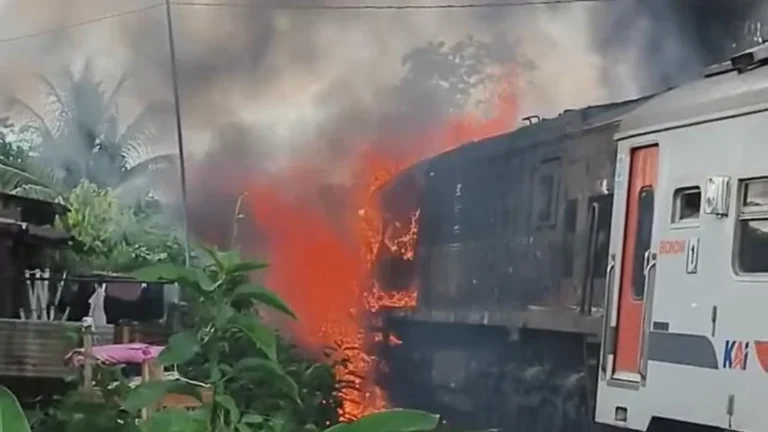
Beyond the devastating loss of human life, the attackers inflicted widespread destruction upon the settlement. They looted homes, ransacked local shops, and set fire to numerous residential structures and motorcycles—the primary mode of transport in the rugged terrain. Livestock, which represents the primary economic asset and livelihood for many rural families, was systematically rounded up and stolen. In an act of extreme desecration noted by local survivors, the body of the slain village head was reportedly cast into the burning ruins of a building. Furthermore, security and humanitarian assessments indicate that numerous other residents were abducted by the retreating militants and taken to undisclosed locations within the surrounding forests.
Chronology of Events and Escalating Retaliation
The tragedy in Luman Ba’are did not occur in a vacuum; it served as the catalyst for a rapid and lethal escalation of inter-communal violence in the surrounding areas.
Following the initial raid, local community members, consumed by grief and frustration over perceived inaction, mobilized for a retaliatory strike. Suspecting that members of the neighboring Fulani pastoralist communities either harbored the attackers or possessed actionable intelligence regarding their identities and hideouts without sharing it with authorities, local vigilantes and residents targeted nearby Fulani settlements in Wawa and Gadi Oli.
This retaliatory sweep resulted in additional casualties among the pastoralist population, plunging the region into a volatile cycle of ethnic and communal bloodshed. Humanitarian workers on the ground reported that although a nearby military base dispatched troops to the flashpoint areas, the deployment arrived too late to prevent the retaliatory attacks or secure the initial crime scene. The delayed response time of security forces remains a critical vulnerability in Nigeria’s rural security architecture, often leaving isolated communities to fend for themselves against well-armed criminal syndicates.
Background Context: The Roots of Nigeria’s Banditry and Pastoralist Conflict
To comprehend the severity of the violence in Niger State, it is necessary to examine the broader socio-economic and environmental dynamics driving instability in central and northwestern Nigeria. The phenomenon locally termed "banditry" encompasses a loose network of criminal syndicates that engage in mass kidnapping for ransom, cattle rustling, village raids, and highway robbery.
Historically, the genesis of these security challenges is rooted in a protracted and intensifying competition for scarce natural resources—specifically arable land and water access—between sedentary farmers and mobile pastoralists, predominantly from the Fulani ethnic group. For generations, traditional grazing routes allowed pastoralists to move their herds southward during the dry season. However, rapid population growth, agricultural expansion into traditional stock routes, and the escalating impacts of climate change have severely squeezed available resources. Desertification and land degradation in the far north have pushed herders further south earlier in the year, bringing them into frequent, often violent contact with farming communities.
Over the past decade, this resource competition mutated into an institutionalized criminal enterprise. Impoverished herders, marginalized by economic shifts and failed state protections, found themselves vulnerable to radicalization and criminal recruitment. Well-funded syndicates emerged, acquiring sophisticated weaponry—often smuggled across porous international borders from conflict zones in the Sahel—to protect stolen cattle and dominate rural economies through extortion and violence.
Niger State, geographically the largest state in Nigeria, has borne a heavy brunt of this insecurity. In recent months, the state has witnessed an alarming surge in mass abductions targeting schools, travelers, and rural villagers, severely disrupting agricultural productivity and displacing thousands of families.
Official Responses and Discrepancies in Casualty Figures
In the wake of the Borgu district attack, government and security agencies issued statements addressing the tragedy, though notable discrepancies emerged regarding the scale of the devastation.
The Nigeria Police Force formally confirmed that an attack had taken place in Luman Ba’are, acknowledging the loss of life and property. However, official police casualty figures placed the death toll significantly lower, at five individuals, compared to the eleven fatalities reported by local residents, community leaders, and humanitarian monitors. Such discrepancies are not uncommon in remote Nigerian districts, where poor telecommunications infrastructure, vast geographic expanses, and delayed access for official investigators often hamper accurate data collection in the immediate aftermath of mass violence.
State authorities have repeatedly pledged to dismantle criminal networks operating within Niger State’s expansive forests and ungoverned spaces. Security operations, involving joint task forces of the military and police, have been intensified. Yet, despite these counter-banditry campaigns involving aerial bombardments and ground sweeps, the syndicates retain high mobility, frequently retreating into dense woodland sanctuaries and retaliating against soft rural targets.
Humanitarian organizations operating in the region have expressed grave concern over the growing frequency of retaliatory communal attacks. Aid workers emphasize that when communities resort to self-help and ethnic vigilantism, the security dilemma deepens, tearing apart the social fabric of multi-ethnic rural societies and making long-term reconciliation increasingly difficult.
Broader Socio-Economic Implications and Future Outlook
The persistent insecurity in Nigeria’s food-producing heartlands carries profound national and regional implications.
First and foremost is the escalating humanitarian crisis. Hundreds of thousands of rural Nigerians have been internally displaced by banditry and communal clashes, abandoning their ancestral farmlands to seek refuge in overcrowded urban centers or makeshift IDP (Internally Displaced Persons) camps. This mass displacement directly threatens national food security. With farmers unable to plant or harvest crops safely due to the constant threat of raids and kidnaps, agricultural output has plummeted, fueling soaring inflation in food prices across the country.
Furthermore, the blurring lines between resource-based communal conflicts and opportunistic organized crime complicate peacebuilding efforts. Traditional dispute-resolution mechanisms, which historically mediated grievances between farmers and herders, have been largely overridden by the sheer lethality of heavily armed criminal cartels. Addressing this crisis requires a comprehensive, multi-pronged strategy that goes beyond kinetic military interventions. Analysts and civil society groups argue that sustainable solutions must include comprehensive security sector reform to improve rural response times, enhanced border management to curb the illicit proliferation of small arms, robust climate adaptation initiatives to restore degraded lands, and inclusive dialogue frameworks designed to rebuild trust among fractured ethnic groups.
Until these structural drivers of conflict are systematically addressed, rural communities in regions like Borgu will remain precariously exposed to the cycle of terror, retaliation, and displacement that continues to challenge the stability of the Nigerian state.