The morning air at the Boyolali Circuit on Saturday, October 17, 2026, was pierced not by the natural sounds of a rural dawn, but by the sharp, mechanical chorus of motorcycle engines roaring to life within the paddock tents. For Danang Nugroho and his fellow track marshals, this relentless mechanical drone signaled the commencement of preparation for the third series of the Yamaha Race Cup. Reporting for duty by 07.00 local time, these circuit safety personnel were issued basic provisions—a standard event t-shirt, 1.5 liters of mineral water, and emergency equipment such as flags and stretchers—before taking up their positions in vulnerable zones along the asphalt.
Motorsport safety operations rely on a precise division of labor among marshals. Flag marshals deploy yellow flags to signal caution and communicate imminent track hazards to approaching riders. Track marshals maintain immediate physical oversight, assisting fallen competitors and ensuring debris-free racing surfaces. Medical marshals respond to severe incidents, utilizing stretchers to evacuate injured riders to specialized medical response teams stationed on-site. Operating primarily as a track marshal, Nugroho’s firsthand perspective captures both the adrenaline of high-stakes motorsport and the stark operational realities faced by grassroots safety personnel.
The Dual Reality of Motorsport Officiating
Serving as a circuit marshal presents a distinct dichotomy of experiences. On one hand, volunteers and contracted personnel enjoy privileged, up-close access to competitive racing without admission fees, opportunities for community camaraderie, and periods of relative calm when the track remains clear. Conversely, the operational hardships are substantial and frequently overlooked by spectators.
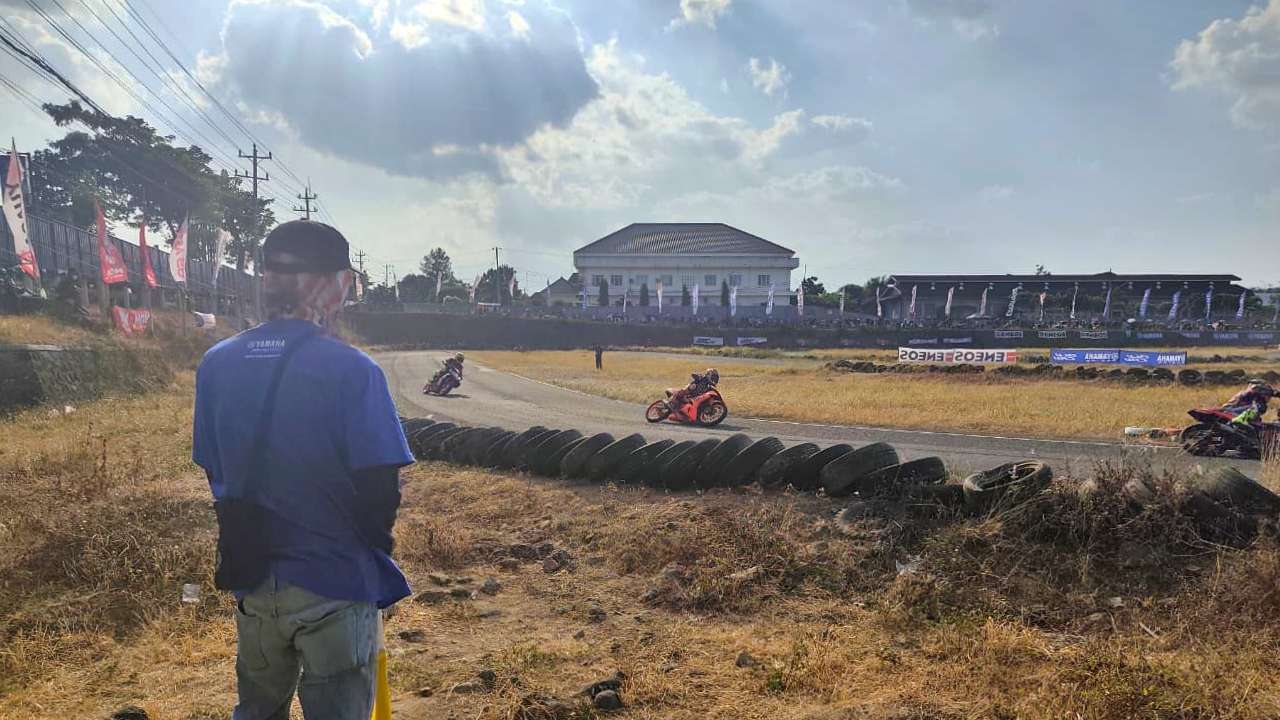
Logistical shortcomings by event vendors occasionally leave marshals entirely exposed to direct sunlight throughout grueling multi-hour sessions. Amid extended meteorological anomalies such as prolonged El Niño conditions, ambient temperatures soar to grueling levels. While flag marshals carry flags and medical teams rely on stretchers, track marshals often contend with the elements equipped with little more than bottled water.
Before the commencement of racing heats, adherence to rigorous Personal Protective Equipment (PPE) standards is mandatory. Personnel must don caps, protective eyewear, face buffs, full-length clothing, sturdy footwear, and gloves. These barriers are non-negotiable for personal health and safety, yet they trap body heat and exacerbate physical strain. As racing gets underway, heightened vigilance becomes paramount; marshals must maintain constant alertness at hazardous corners while managing racing-induced stress and maintaining rapid response readiness.
Environmental Hazards on the Asphalt
The physical toll of track officiating extends deep into the respiratory and sensory systems. Throughout intense racing blocks, toxic exhaust fumes permeate protective face buffs, causing severe irritation to the respiratory tract. In the absence of protective eyewear, airborne particulates and exhaust emissions inflict stinging, watery irritation comparable to preparing raw onions in a domestic kitchen.
By midday, prolonged sun exposure and continuous physical exertion leave uniforms thoroughly saturated with sweat. Relief arrives only with scheduled breaks, most notably the midday call to prayer, which provides a brief thirty-minute respite for lunch. Operations then resume, subjecting personnel to further hours of environmental exposure until the final checkered flag waves between 4.00 PM and 5.00 PM.

From Circuit Exhaust to Nationwide Environmental Crisis
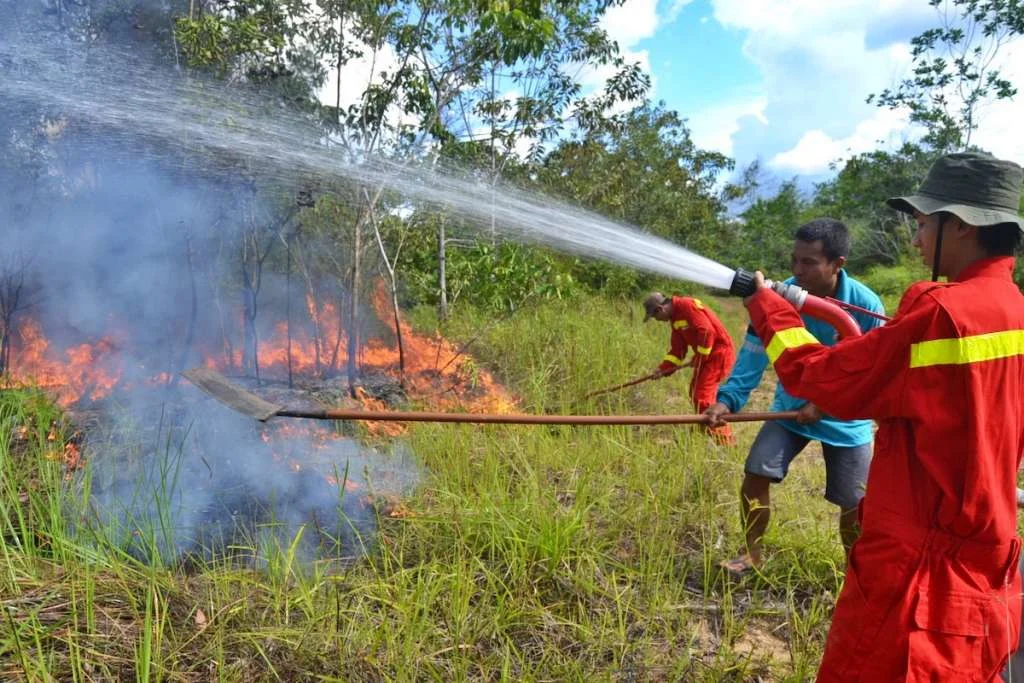
The sensory discomfort experienced along the periphery of the racetrack serves as a profound metaphor for broader ecological catastrophes unfolding across Indonesia. In recent years, massive swathes of forest and peatland ecosystems have fallen victim to illegal land-clearing practices. The resulting toxic haze deprives millions of citizens of their fundamental right to clean air, forcing communities to endure hazardous atmospheric pollution with minimal reprieve.
While track marshals experience exhaust exposure intermittently throughout a race weekend, vulnerable populations residing near deforested and burning zones face continuous, uninterrupted health hazards. Prolonged exposure to particulate matter has precipitated widespread medical emergencies, notably surges in Acute Respiratory Infections (ARI) affecting children, the elderly, and emergency responders, occasionally resulting in fatalities. These widespread environmental crises frequently attract international media coverage, highlighting the cross-border transboundary haze issues affecting neighboring Southeast Asian nations.
Semantic Precision: Fires versus Arson
Linguistic framing in media and public discourse plays a critical role in shaping accountability regarding ecological disasters. Commonly utilized terms such as karhutla (an Indonesian portmanteau for forest and land fires) linguistically mirror terms like floods or accidental mishaps, subtly framing the phenomenon as a natural occurrence devoid of human agency.

Experts and critical observers argue that more precise terminology—such as deliberate land clearing or illegal burning—must be adopted. Utilizing passive vocabulary risks normalizing environmental degradation as seasonal inevitability, obscuring corporate and individual culpability. A shift in nomenclature demands active inquiry into the perpetrators behind the destruction of natural carbon sinks and vital ecosystems.
Implications of Deforestation on National Disaster Vulnerability
The deliberate destruction of forests carries catastrophic systemic consequences extending far beyond air pollution. Environmental analysts project that the elimination of natural vegetative cover drastically reduces watershed absorption capacities. Consequently, the transition from drought-inducing meteorological phenomena like El Niño to moisture-heavy cycles associated with La Niña and the western monsoon significantly amplifies the risk of severe flooding and catastrophic landslides.
Historical precedents underscore these vulnerabilities; major hydro-meteorological disasters, including severe floods and landslides that struck regions such as Aceh, North Sumatra, and West Sumatra, demonstrate the lethal cost of compromised natural environments. Without robust preventative interventions and rigorous legal enforcement against environmental crimes, vulnerable populations will continue to bear the brunt of disasters engineered by illicit human activity.
Systemic Accountability and the Role of Governance

Drawing parallels between micro-level circuit management and macro-level environmental governance reveals critical expectations regarding duty of care. Just as track marshals must maintain absolute vigilance to protect competitors and ensure structural integrity during high-speed races, regulatory bodies and law enforcement agencies are mandated to protect public welfare and enforce environmental protections.
The persistent failure to officially designate widespread ecological destruction as a national emergency undermines public trust. Effective governance requires proactive enforcement, accountability for systemic negligence, and a decisive shift from reactive remediation to preventative deterrence. Ensuring that regulatory authorities remain fully accountable to the populace is essential to preventing future ecological and humanitarian catastrophes.