The island of Bali has long been cemented as the premier destination for international and domestic tourism in Indonesia. While the island is world-renowned for its pristine southern beaches and vibrant nightlife, the northern and central highlands—specifically the Kintamani region—have recently undergone a significant transformation. Once primarily known as an agricultural hub for citrus and coffee, Kintamani has emerged as a premier lifestyle destination. This shift is marked by the rise of sophisticated, high-altitude cafes that capitalize on the dramatic topography of the Mount Batur caldera. For travelers seeking a respite from the tropical humidity of the coast, these establishments offer a blend of cool mountain air, architectural innovation, and unparalleled views of Indonesia’s volcanic landscape.
The Rise of Kintamani as a Coffee Tourism Hub
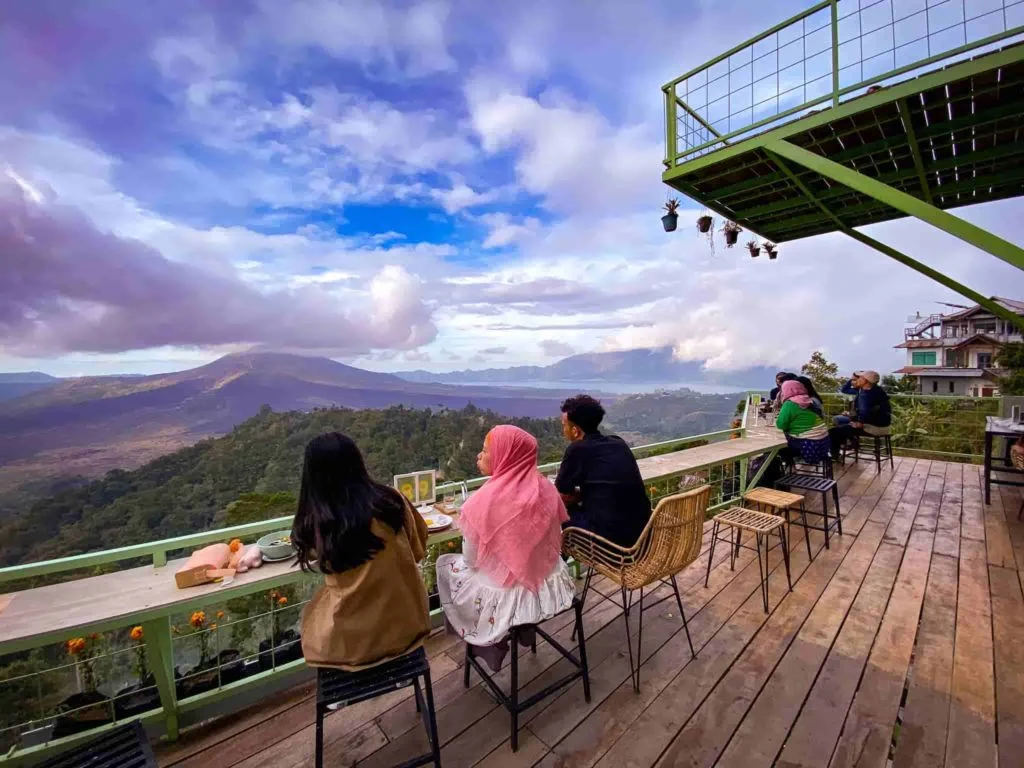
The transformation of Kintamani into a modern social destination began to accelerate around 2019. The strategic development of Jalan Raya Penelokan, the main artery overlooking the caldera, allowed entrepreneurs to tap into the region’s natural competitive advantage: its elevation. Situated roughly 1,500 meters above sea level, the region offers a temperate climate, with temperatures frequently dropping between 17 and 19 degrees Celsius, providing a refreshing contrast to the coastal heat.
Market analysis indicates that the surge in "Instagram-centric" tourism has played a pivotal role in this development. Data from local tourism boards suggests that post-pandemic travel trends favor open-air, nature-integrated venues over enclosed, crowded spaces. This preference has driven business owners to prioritize panoramic glass facades, rooftop observation decks, and minimalist architectural designs that harmonize with the rugged surroundings of the Batur UNESCO Global Geopark.
1. Tegu Kopi: A Pioneer of the Highland Coffee Scene
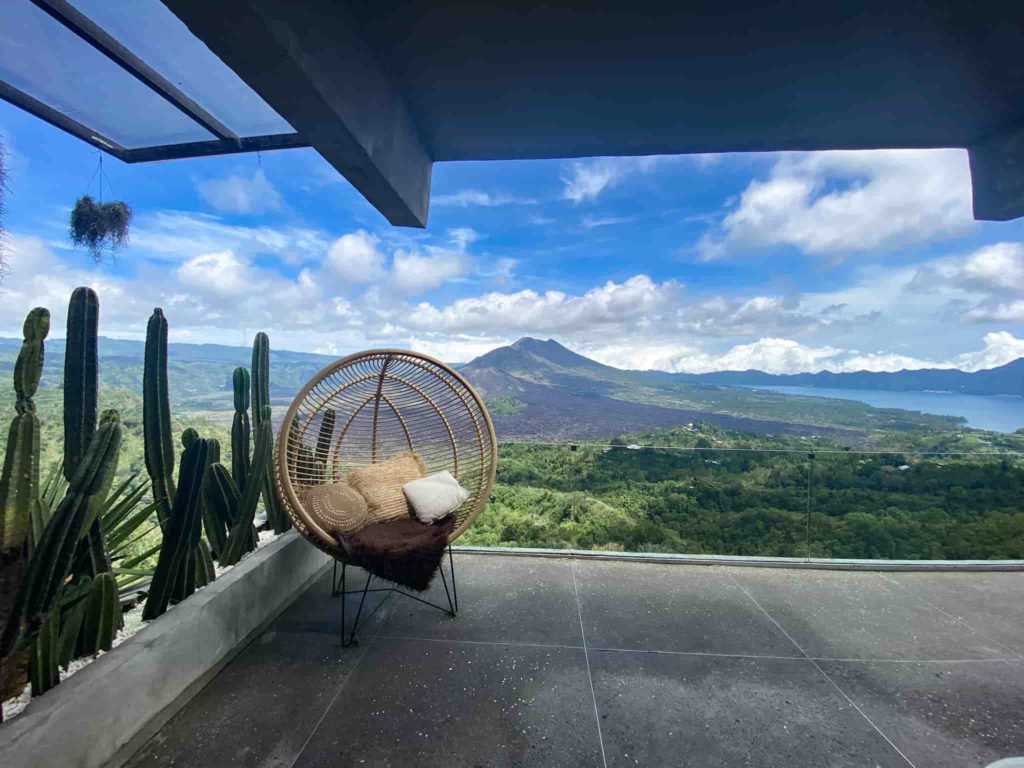
Since its inception in December 2019, Tegu Kopi has been at the forefront of the Kintamani cafe boom. Located strategically on Jalan Raya Penelokan, it offers one of the most comprehensive views in the region. The architectural design of the cafe was specifically crafted to frame the trio of volcanoes—Mount Batur, Mount Abang, and Mount Agung—as well as the shimmering expanse of Lake Batur.
Tegu Kopi is often cited by industry analysts as the benchmark for the "new wave" of Balinese cafes. By focusing on a semi-outdoor concept, the management effectively invites the natural environment into the dining experience. The venue’s ability to remain popular during both the early morning sunrise hours and the golden hour before sunset demonstrates the effectiveness of integrating natural phenomena into the business model.
2. Eco Bike Coffee: Integrating Sustainability and Tourism
Eco Bike Coffee represents a more holistic approach to the Kintamani tourism model. Unlike standard cafes, this establishment functions as a multi-level complex. The ground floor serves as an educational space focused on the local coffee agriculture, while the upper levels provide high-capacity seating areas, culminating in a rooftop deck that offers an unobstructed 360-degree view of the caldera.
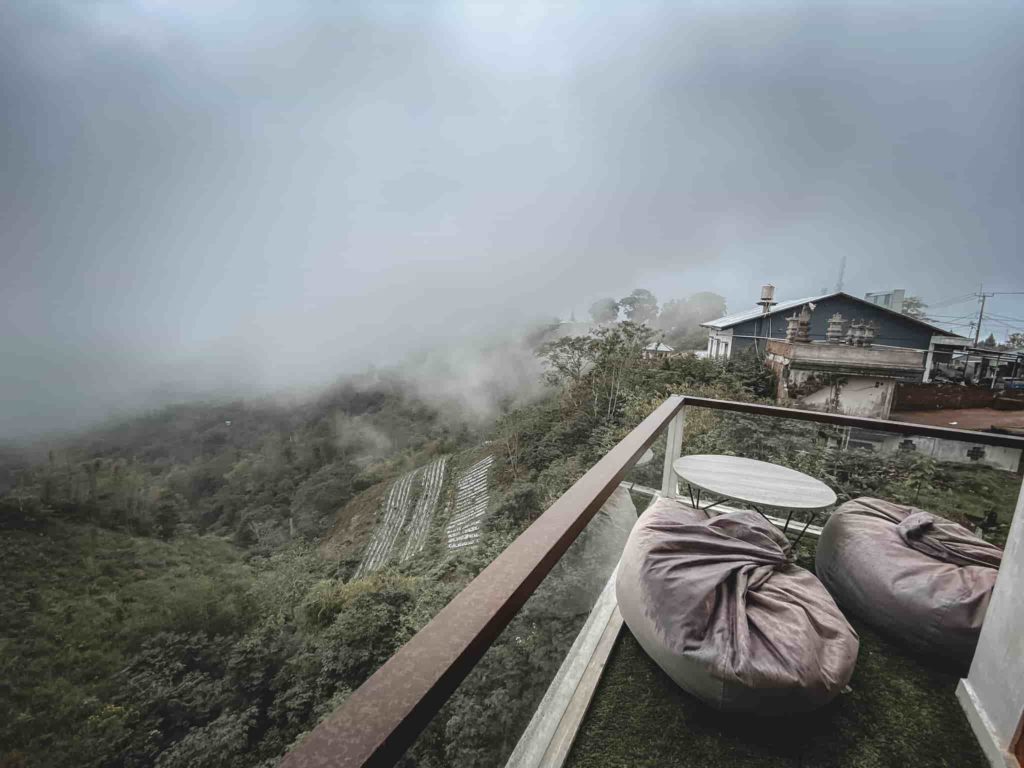
The implication of such venues is significant for the local economy. By incorporating a working coffee plantation on-site, Eco Bike Coffee helps sustain the local farming community while providing tourists with a "farm-to-table" experience. However, the business is highly susceptible to the volatile highland weather. Frequent fog and heavy cloud cover during the rainy season often obscure the view, a fact that has led to more sophisticated weather-forecasting requirements for visitors planning their trips.
3. Akasa Coffee: Luxury and Elevation
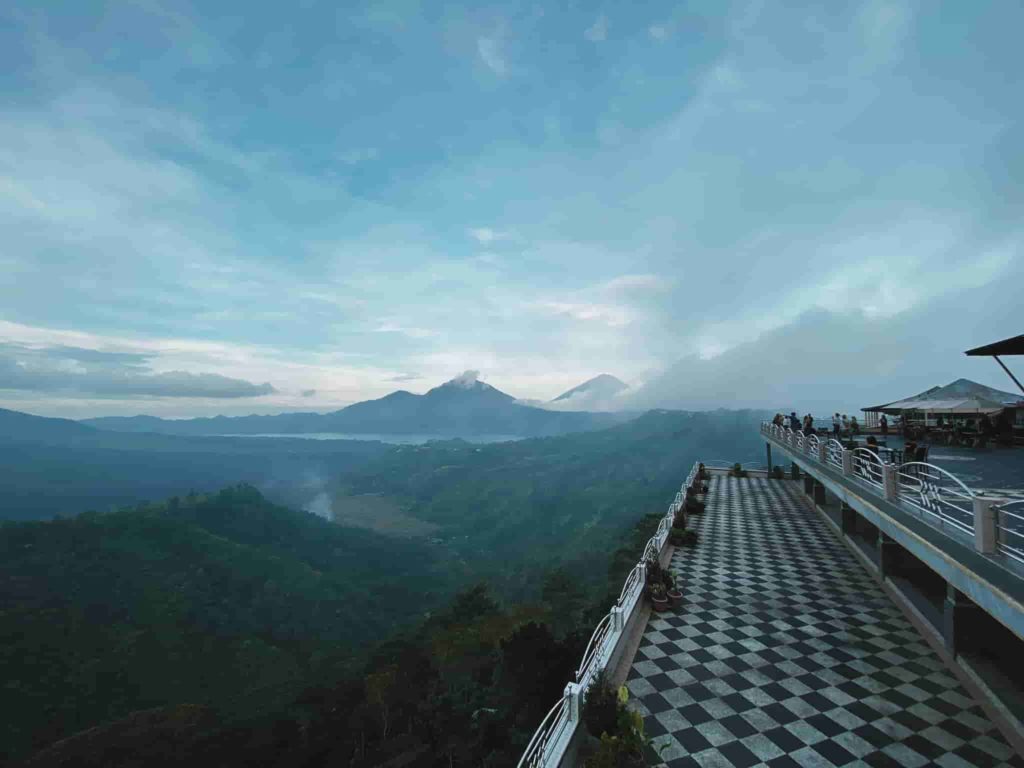
Akasa Coffee is frequently categorized by local tourism guides as a premium establishment. Situated on the edge of the crater rim, the cafe offers a sophisticated menu that ranges from artisanal breakfast options to a curated selection of alcoholic beverages, catering to a more affluent demographic.
The economic impact of establishments like Akasa is notable. With an average check size often reaching IDR 150,000 per person, these venues contribute substantially to the local tax base and provide high-quality employment opportunities for residents of Bangli Regency. From an operational standpoint, the cafe emphasizes the importance of climate-ready architecture, featuring sturdy, wind-resistant structures that ensure guest comfort despite the biting cold characteristic of the region’s peak hours.
4. Batur 1926: Capturing the Golden Hour
Batur 1926 has distinguished itself through its unique architectural homage to Balinese culture. The inclusion of traditional Balinese gates on its rooftop terrace serves as a focal point for content creators, thereby leveraging social media marketing to attract a steady flow of international visitors.
The chronology of operations at Batur 1926 is centered around the sunrise. Because the cafe opens early—frequently before 06:00—it has become a primary stop for trekkers descending from the Mount Batur sunrise hike. By positioning itself as a post-hike recovery destination, Batur 1926 has successfully captured a specific niche of the adventure tourism market, proving that geographic proximity to active outdoor activities is a critical factor in business longevity.
5. Kava Coffee: Design-Led Integration
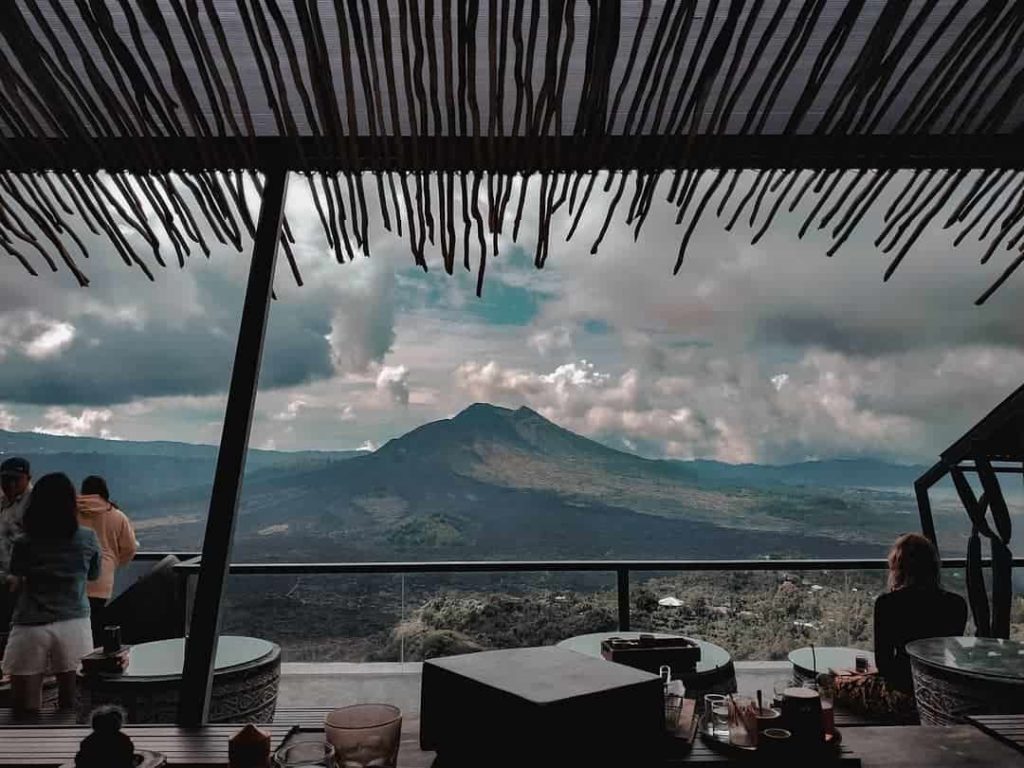
Kava Coffee stands out for its interior design, which utilizes expansive floor-to-ceiling glass windows to ensure that even on days with inclement weather, guests remain connected to the landscape. By utilizing long, communal tables in a semi-outdoor layout, the venue encourages a social atmosphere that contrasts with the solitude of the surrounding wilderness.
The design philosophy here—transparency and openness—mirrors the broader trend in modern Indonesian architecture: the move away from heavy, wall-enclosed interiors toward structures that act as frames for nature. This shift is not merely aesthetic; it is a response to the increasing demand for "experiential" dining, where the product (the coffee) is secondary to the environment in which it is consumed.
Broader Economic and Environmental Implications
The rapid expansion of the cafe industry in Kintamani is not without its challenges. Environmental experts have raised concerns regarding waste management and water usage in the highland areas, which are critical watershed zones for the island. The transformation of agricultural land into commercial hospitality hubs requires careful zoning and regulation to ensure that the natural beauty that attracts these tourists is not irreparably damaged by over-development.
Furthermore, the local government of Bangli has begun to view these cafes as key drivers of regional revenue. Official statements from local tourism authorities suggest a move toward formalizing the "Kintamani Coffee Trail" to promote sustainable tourism practices. By standardizing waste disposal protocols and encouraging the use of locally sourced ingredients, these businesses can transition from temporary trend-setters to long-term contributors to the Balinese economy.
Conclusion: A New Era for Balinese Tourism
The success of these five cafes serves as a microcosm for the evolution of Indonesian tourism. As travelers become more discerning, the demand for authentic, nature-based experiences has replaced the need for generic coastal resort stays. Kintamani, with its volcanic majesty and crisp mountain air, has successfully positioned itself as the alternative heart of Bali.
For the prospective visitor, the takeaway is clear: the experience of these venues is heavily dependent on timing. Whether seeking the ethereal beauty of a misty, fog-covered morning or the clarity of a sharp, sun-drenched afternoon, the Kintamani region offers a dynamic, ever-changing backdrop. As the industry continues to mature, these establishments will likely continue to refine their offerings, balancing the demands of global tourism with the necessity of preserving the unique, fragile, and magnificent geography of the Batur caldera. Prospective travelers are encouraged to verify weather conditions and peak operating hours, ensuring their visit to these high-altitude retreats is as seamless as the vistas they provide.