
Indonesian cuisine has once again captured global attention as two of the archipelago’s most beloved culinary accompaniments secured prestigious positions in international food rankings. Perkedel and tempe mendoan have officially been voted into the top ten best side dishes in Asia by the renowned international food guide TasteAtlas. This latest recognition highlights the growing appreciation for traditional Indonesian flavors, comfort foods, and historical culinary fusion on the global stage, further cementing the nation’s rich gastronomic heritage within the international spotlight.
Main Facts and TasteAtlas Rankings
According to the latest data and rankings published by TasteAtlas ahead of November 15, 2026, perkedel secured the impressive third position in the "100 Best Side Dishes in Asia" category, boasting a stellar rating of 4.3 out of 5 stars. Meanwhile, the beloved central Javanese delicacy, tempe mendoan, claimed the eighth spot with a commendable rating of 4.2.
The comprehensive list compiled by the culinary platform reflects a rigorous data collection process. For this specific ranking cycle, the system accumulated a total of 12,503 evaluations from global food enthusiasts, critics, and local diners. Out of these submissions, 7,508 ratings were validated as legitimate by TasteAtlas’s strict internal filtering mechanisms, ensuring that the final standings accurately represent genuine culinary appreciation from across the globe.
Chronology and Methodology of the Rankings
The journey of Indonesian side dishes to the upper echelons of TasteAtlas’s Asian rankings is part of an ongoing, dynamic evaluation system. TasteAtlas continuously aggregates reviews, ratings, and cataloged entries for regional dishes worldwide. The portal operates on user-generated reviews authenticated by experts, where dishes are constantly monitored, scored, and re-ranked based on shifting global preferences and newly submitted data points.
While the specific snapshot of the top ten Asian side dishes was finalized and publicized in late November 2026, the database itself reflects years of cataloging Southeast Asian ingredients. The inclusion of perkedel and tempe mendoan signals a broader trend where traditional, unpretentious local street foods and household side dishes are gaining equal footing with more elaborate main courses in international food databases.
Deep Dive into the Honored Dishes
To understand why perkedel and tempe mendoan resonated so deeply with international reviewers, one must examine their unique culinary compositions, preparation methods, and historical roots.
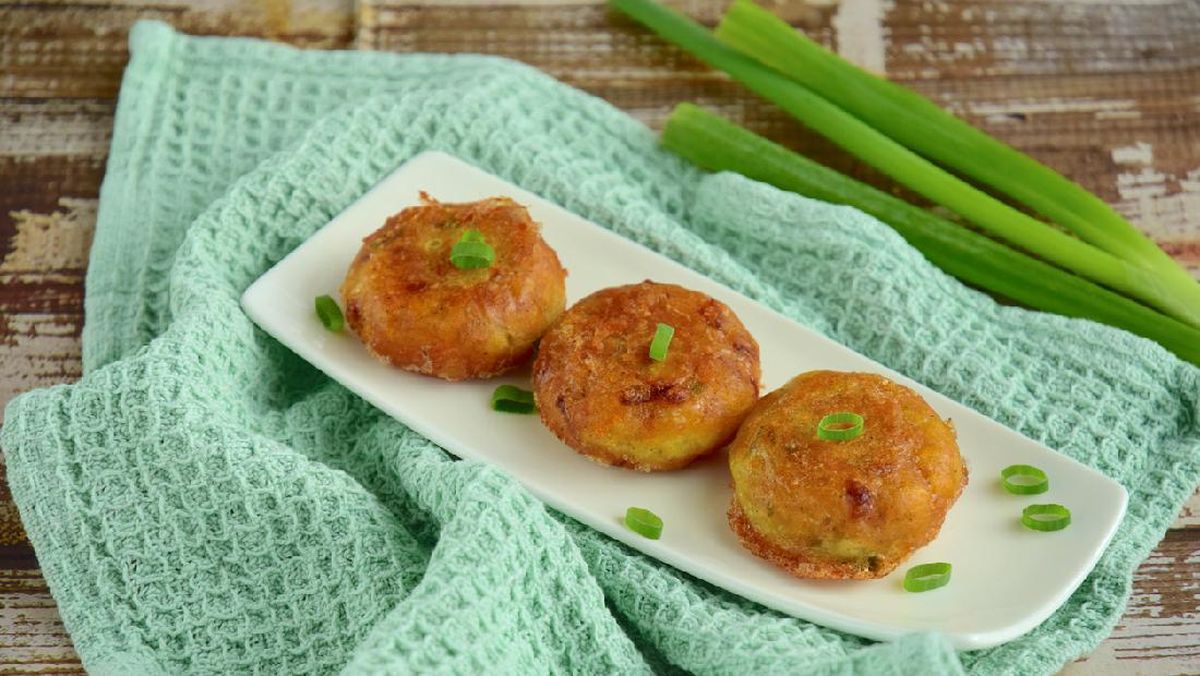
Perkedel, which ranked third, is fundamentally a fried potato patty. The preparation involves boiling and mashing potatoes, mixing them with chopped scallions, aromatic spices, and occasionally minced meat or chicken. This mixture is then shaped into small, flattened rounds, dipped in beaten eggs, and deep-fried until golden brown.
Etymologically and historically, perkedel tells a story of cultural exchange. The name is derived from the Dutch word frikadel, a legacy of the colonial era that introduced European meat patties to the Indonesian archipelago. Over centuries, local communities indigenized the recipe by shifting the primary ingredient from minced meat to readily available, nutrient-dense potatoes, transforming it into the ubiquitous side dish known today. While frequently served as an accompaniment to clear soups like soto ayam or as a companion to festive yellow rice (nasi kuning), perkedel remains a staple of home-cooked comfort food across Indonesia.
On the other hand, tempe mendoan represents an indigenous masterpiece originating from the Banyumas region in Central Java, specifically centered around Purwokerto. Unlike standard firm tempeh or deeply fried crispy tempeh chips, tempe mendoan is characterized by its distinct preparation and texture. Thinly sliced fermented soybeans are coated in a seasoned flour batter—typically infused with garlic, coriander, and scallions—and then fried briefly in very hot oil.
The term mendoan originates from the local Banyumasan dialect, where mendo translates to "half-cooked" or "soft." Consequently, the dish is intentionally cooked for a short duration, resulting in a soft, pliable texture rather than a rigid crunch. Traditionally enjoyed hot with fresh bird’s eye chilies or a sweet-and-spicy soy sauce dip (kecap cabai rawit), tempe mendoan offers a complex interplay of earthy fermented soybean flavors and aromatic spices.
Broader Culinary Implications and Other Indonesian Entries
The success of perkedel and tempe mendoan is not an isolated phenomenon within the current TasteAtlas rankings. A closer examination of the broader "100 Best Side Dishes in Asia" list reveals a strong showing for Indonesian gastronomy as a whole. Several other traditional accompaniments and street food staples secured notable positions within the broader index, including classic fried tempeh (tempe goreng), ubiquitous crispy prawn and cassava crackers (kerupuk), fiery chili pastes (sambal), aromatic coconut rice cakes cooked in bamboo (lemang), and simple fried cassava (singkong goreng).
Food industry analysts note that this recognition carries several important implications for Indonesia’s culinary diplomacy and tourism sector. First, it validates the Ministry of Tourism and Creative Economy’s ongoing campaigns to promote Indonesian gastronomy internationally, commonly known as the "Indonesia Spice Up the World" program. By highlighting diverse, accessible, and historically rich side dishes, international food platforms help demystify Indonesian cuisine, moving public perception beyond a few globally famous dishes like nasi goreng and rendang.
Furthermore, this global validation boosts local pride and encourages micro, small, and medium enterprises (MSMEs) that traditionally produce these items—from neighborhood tofu and tempeh artisans to roadside food vendors (warung). As international travelers increasingly seek authentic, hyper-local food experiences, the spotlight on perkedel and tempe mendoan provides a direct economic boost and cultural validation to the grassroots culinary ecosystem of Indonesia.