Checking your blood pressure and discovering that the numbers have surged past the normal threshold can be an unsettling experience. In medical checkups, whether at home or in a clinical setting, an elevated reading often triggers immediate anxiety. However, understanding the precise, medically endorsed steps to take during such moments is critical for ensuring accurate measurement and preventing unnecessary panic. Hypertension, commonly referred to as high blood pressure, remains one of the most pervasive yet overlooked chronic health problems globally. Because it frequently develops without dramatic or obvious symptoms, it is often called the "silent killer." Millions of individuals live with chronically elevated blood pressure without realizing it, only discovering the condition after it has begun to inflict insidious damage on vital organs.
When left unmonitored and uncontrolled, high blood pressure exponentially increases the risk of severe cardiovascular and neurological events, including coronary heart disease, myocardial infarctions, debilitating strokes, progressive chronic kidney disease, and multi-system organ complications. Physiologically, blood pressure is not a static metric. In healthy individuals, blood pressure naturally fluctuates from minute to minute and day to day in response to physical activity, emotional stress, posture changes, and circadian rhythms. These transient fluctuations typically remain within safe physiological parameters. Nevertheless, repeated readings that consistently sit above the established normal limits serve as a red flag, indicating an underlying cardiovascular issue that demands ongoing medical evaluation and lifestyle intervention.
Immediate Action Steps When Confronted with an Elevated Reading
When an individual measures a blood pressure reading that exceeds normal parameters, medical professionals emphasize the necessity of maintaining composure. According to guidelines outlined by prominent cardiologist Dr. Rohit Goel, as cited by NDTV, reacting with acute panic is counterproductive because anxiety itself triggers a sympathetic nervous system response that drives blood pressure even higher.
The primary recommendation is to immediately halt whatever activity is underway and seek out a comfortable, quiet environment to sit and relax. Individuals must actively eliminate temporary physiological triggers that artificially inflate blood pressure readings. These triggers include recent physical exertion, smoking cigarettes, consuming caffeinated beverages such as coffee or energy drinks, and acute psychological stress.
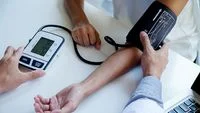
After locating a comfortable space, the individual should rest quietly for a minimum of five minutes before attempting a second measurement. Proper posture during this subsequent measurement is non-negotiable for obtaining an accurate reading. The patient must sit upright with their back fully supported against a chair, both feet planted flat on the floor with legs uncrossed, and the arm resting on a flat surface so that the blood pressure cuff remains precisely level with the heart. Furthermore, talking or moving during the measurement must be avoided, and the blood pressure cuff used must be appropriately sized for the individual’s arm circumference. If the repeat measurement remains elevated, the individual should document the exact figures and schedule a consultation with their primary care physician.
Recognizing Hypertensive Emergencies and When to Seek Emergency Care
A critical aspect of managing an acute blood pressure spike involves distinguishing between routine elevations and a medical emergency known as a hypertensive crisis. Dr. Goel stresses the importance of monitoring for specific systemic symptoms when blood pressure climbs to dangerous levels.
If a home or clinical monitor registers a reading of 180/110 mmHg or higher, the protocol requires the individual to wait precisely one minute, remain calm, and repeat the measurement. If the subsequent reading confirms a blood pressure of 180/110 mmHg or higher and is accompanied by acute red-flag symptoms, emergency medical services must be contacted immediately. These warning signs include severe chest pain or pressure, acute shortness of breath, a sudden and severe headache unlike any previously experienced, visual disturbances such as blurred or double vision, sudden muscle weakness, localized numbness, acute confusion, or difficulty speaking and understanding speech.
Conversely, there are instances where an individual registers a blood pressure reading of 180/110 mmHg or higher in the complete absence of physical discomfort or warning signs. Even without these acute symptoms, this level of elevation—classified medically as hypertensive urgency—cannot be ignored. The individual must still sit down, rest in a quiet environment for five minutes, and retest. If the reading persists at or above 180/110 mmHg, professional medical intervention is required immediately, regardless of how physically well the patient feels.
A vital warning issued by cardiologists is the absolute prohibition against self-medicating or arbitrarily increasing medication dosages during a blood pressure spike. Patients must never take extra doses of prescribed antihypertensive medications or consume leftover medications belonging to others in an attempt to force their blood pressure down rapidly. Doing so can cause a precipitous, dangerous drop in blood pressure, leading to cerebral hypoperfusion, fainting, or shock. Any adjustments to pharmacological regimens must strictly follow the guidance of a qualified healthcare provider.
The Broader Public Health Context of Hypertension
The global burden of hypertension is staggering, positioning it as one of the most critical public health challenges of the twenty-first century. According to comprehensive data and fact sheets published by the World Health Organization (WHO), an estimated 1.28 billion adults aged 30 to 79 worldwide have hypertension, with the vast majority residing in low- and middle-income countries. Alarmingly, approximately 46 percent of adults with hypertension are entirely unaware that they have the condition. Furthermore, fewer than half of those adults—roughly 42 percent—are diagnosed and treated, and only about 1 in 5 adults with hypertension, or 21 percent, have their condition successfully controlled.
The implications of these statistics are profound. Hypertension is a primary global driver of premature mortality. Chronic high blood pressure exerts excessive mechanical force against the arterial walls. Over time, this sustained pressure damages the delicate endothelial lining of the arteries, promoting the accumulation of atherosclerotic plaques. As arteries narrow and lose their elasticity, the heart must work exponentially harder to circulate blood throughout the body, eventually leading to cardiac hypertrophy, heart failure, myocardial infarction, and arrhythmias. In the cerebral vasculature, weakened arterial walls can rupture, causing hemorrhagic strokes, or become blocked by thrombi, causing ischemic strokes. Similarly, the microvasculature of the kidneys suffers under chronic hypertension, gradually impairing filtration capacity and culminating in end-stage renal disease requiring dialysis or transplantation.
Long-Term Strategies for Maintaining Normal Blood Pressure
While knowing how to respond to acute blood pressure elevations is essential for acute management, sustainable cardiovascular health depends on long-term preventative lifestyle modifications. The WHO and international cardiological associations emphasize that primordial and primary prevention can significantly reduce blood pressure levels and mitigate cardiovascular risk.
Dietary modifications form the cornerstone of hypertension management and prevention. Public health guidelines strongly recommend drastically reducing sodium intake. Excess dietary sodium leads to fluid retention, which expands blood volume and elevates pressure within the vascular system. Health authorities advise limiting daily salt consumption and avoiding ultra-processed foods, canned soups, cured meats, and fast food, which are typically laden with hidden sodium. Simultaneously, individuals should significantly increase their consumption of fresh fruits and vegetables. These whole foods are rich in essential micronutrients, particularly potassium, which helps counter the adverse vascular effects of sodium by promoting renal sodium excretion and relaxing blood vessel walls. Furthermore, minimizing the intake of saturated fats and eliminating trans fats found in fried items, baked goods, and processed snacks helps preserve arterial elasticity and prevents systemic inflammation.
Structured physical activity is another indispensable pillar of blood pressure control. The WHO recommends that healthy adults engage in at least 150 to 300 minutes of moderate-intensity aerobic physical activity—such as brisk walking, swimming, cycling, or dancing—throughout the week, or alternatively, at least 75 to 150 minutes of vigorous-intensity aerobic physical activity. For optimal musculoskeletal and metabolic health, muscle-strengthening activities involving major muscle groups should also be incorporated on two or more days per week. Regular exercise enhances cardiovascular efficiency, strengthens the myocardium, lowers resting heart rate, and improves overall vascular tone, which naturally drives down blood pressure over time.
Beyond diet and exercise, maintaining a healthy body weight is paramount. Excess body weight, particularly visceral adiposity centered around the abdomen, forces the cardiovascular system to generate higher pressures to perfuse the expanded tissue mass. Weight reduction in overweight or obese individuals yields a direct and measurable decrease in blood pressure readings.
Modern lifestyle factors also demand careful scrutiny. Sedentary behavior—characterized by prolonged sitting during work or leisure—has emerged as an independent risk factor for cardiovascular disease, independent of regular exercise habits. Breaking up long periods of sitting with brief bouts of walking helps improve metabolic markers. Furthermore, tobacco cessation is non-negotiable; nicotine acutely spikes blood pressure and heart rate while damaging arterial linings, while chronic smoking accelerates atherosclerosis. Similarly, limiting alcohol consumption to moderate levels or abstaining completely prevents alcohol-induced elevations in blood pressure.
Chronology and Clinical Trajectory of Blood Pressure Management
To understand how acute interventions fit into comprehensive healthcare, examining the standard clinical chronology of hypertension diagnosis and management provides essential perspective.
The initial phase typically begins with incidental detection. An individual may measure an elevated blood pressure reading at a community pharmacy, during an unrelated medical visit, or via a home monitoring device. Following this initial finding, standard clinical protocol dictates that a diagnosis of hypertension is never made based on a single isolated reading due to the potential for "white coat syndrome"—where anxiety in a clinical environment temporarily elevates blood pressure—or transient stress-related spikes.
Instead, physicians require serial measurements taken across multiple separate clinical visits or through ambulatory blood pressure monitoring (ABPM) over a 24-hour period, or structured home blood pressure monitoring (HBPM) for one to two weeks. Once hypertension is formally diagnosed, the second phase involves clinical evaluation to assess overall cardiovascular risk, screen for secondary causes of hypertension, and check for target organ damage through blood tests, urinalysis, electrocardiograms, and fundoscopic eye exams.
The third phase centers on treatment planning. For individuals with Stage 1 hypertension without high cardiovascular risk, initial management may focus exclusively on the aforementioned lifestyle modifications for a trial period of three to six months. If lifestyle changes prove insufficient to bring blood pressure below target thresholds—typically less than 130/80 mmHg for high-risk patients or under 140/90 mmHg for others—or if the patient presents with Stage 2 hypertension upon diagnosis, pharmacological therapy is promptly initiated. Commonly prescribed medications include angiotensin-converting enzyme (ACE) inhibitors, angiotensin II receptor blockers (ARBs), calcium channel blockers, and thiazide diuretics.
The fourth phase is lifelong maintenance and monitoring. Patients diagnosed with hypertension enter a chronic care loop requiring regular follow-up consultations with healthcare providers, periodic laboratory testing of renal function and electrolyte balance, and adherence to daily medication regimens and lifestyle protocols.
Implications and Conclusion
The proper management of blood pressure spikes is a vital skill that bridges emergency self-care and long-term chronic disease control. When an individual is confronted with an unexpectedly high blood pressure reading, the immediate imperative is to reject panic, eliminate temporary physiological triggers through seated rest, and adhere to standardized re-measurement protocols. By recognizing the critical thresholds—such as the 180/110 mmHg marker—and understanding the vital distinction between hypertensive urgency and hypertensive emergency, patients can protect themselves from catastrophic cardiovascular and neurological events.
Ultimately, addressing hypertension requires a dual approach: mastering acute response techniques while committing resolutely to sustainable, evidence-based lifestyle changes. By reducing sodium intake, embracing a diet rich in fruits and vegetables, engaging in regular aerobic and resistance exercise, maintaining an ideal body weight, eliminating tobacco use, and strictly adhering to prescribed medical treatments, individuals can successfully tame the silent killer. Through public education, routine screening, and proactive clinical management, the global burden of hypertension can be mitigated, paving the way for healthier populations and extended, higher-quality lives.