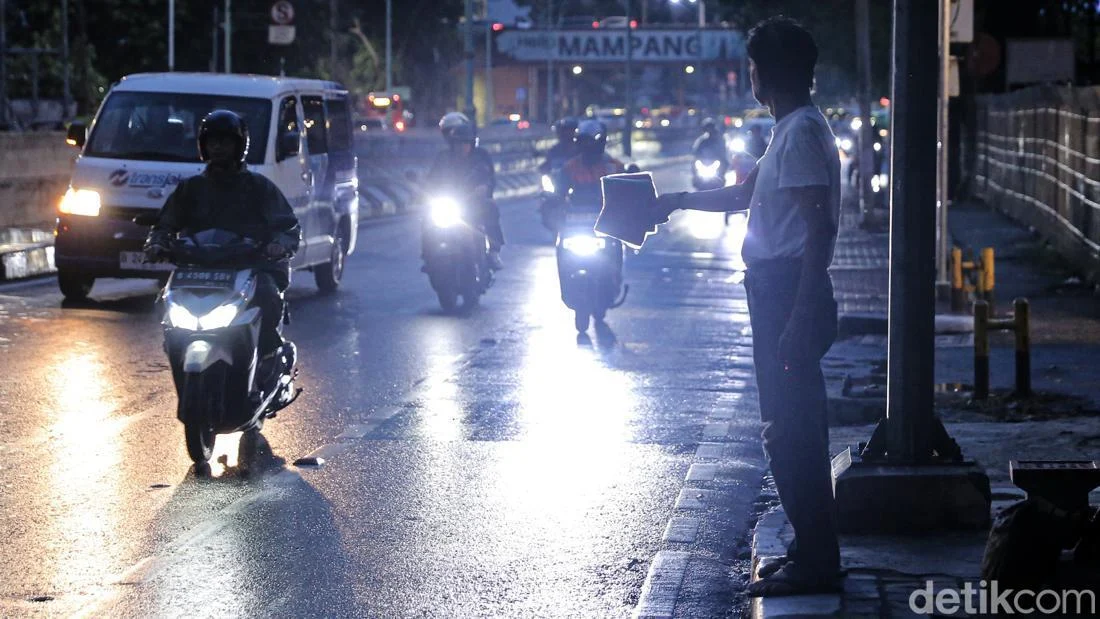
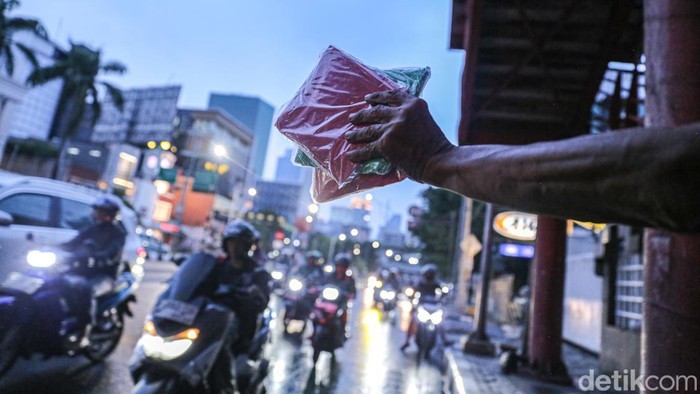
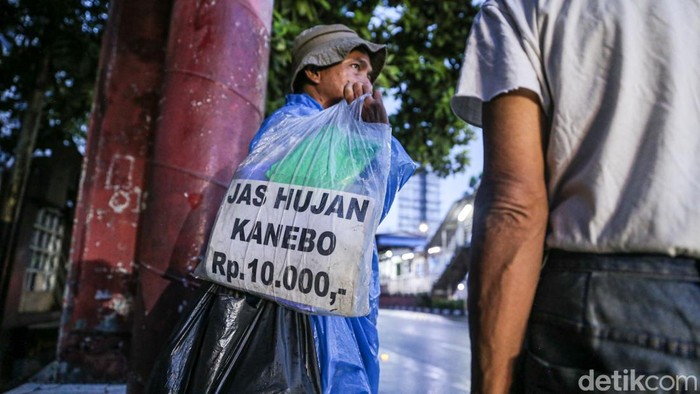
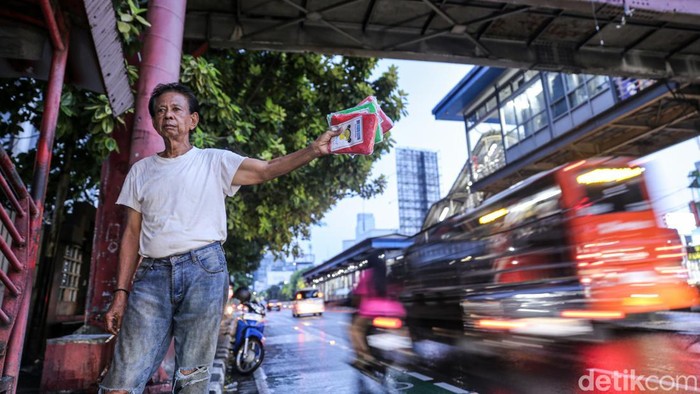
The arrival of the rainy season in Jakarta, which typically intensifies towards the end of November, has triggered a surge in demand for essential rain gear among the city’s massive population of motorcycle commuters. In the Mampang Prapatan area of South Jakarta, this shift in weather patterns has transformed the local streetscape, as sidewalk vendors have begun occupying strategic spots to cater to motorists caught in sudden downpours. By late November 2026, a ubiquitous sight along the busy thoroughfares of Mampang has been the emergence of simple, makeshift kiosks offering disposable raincoats and absorbent chamois cloths (kanebo), both priced at a uniform rate of Rp10,000.
The Economics of Convenience at Traffic Intersections
The pricing strategy adopted by these vendors—a flat rate of Rp10,000—reflects a calculated response to the immediate, time-sensitive needs of Jakarta’s motorcycle riders. For commuters navigating the city’s notoriously congested corridors, the primary goal during a sudden storm is to maintain mobility without risking equipment damage or health issues.
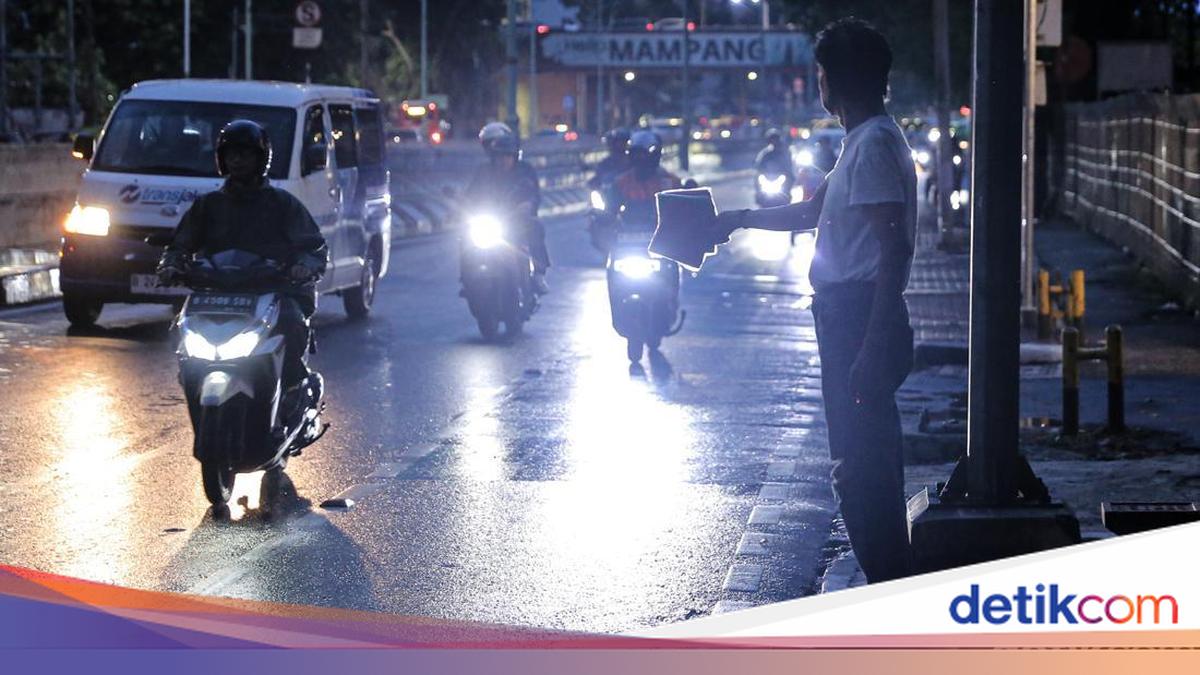
The low entry price point makes these items "impulse purchases," allowing riders to quickly acquire protection without the need to locate a formal retail store or navigate complex online transactions. While these products are often intended for single or short-term use, their availability at key junctions like Mampang Prapatan serves as a vital micro-service for the urban workforce. The inclusion of chamois cloths in these inventories highlights a secondary need: maintaining the visibility and cleanliness of vehicle surfaces after the rain, which is essential for safety during the unpredictable tropical weather cycles of Indonesia.
Seasonal Context and Meteorological Outlook
The proliferation of these street-side stalls is not merely a localized phenomenon but a direct consequence of the cyclical shift in the Indonesian climate. According to meteorological data provided by the Meteorology, Climatology, and Geophysics Agency (BMKG), the transition into the peak of the rainy season is a well-documented process. For the 2026-2027 period, the agency has projected that the peak of the rainy season will occur between December 2026 and February 2027.
This meteorological timeline dictates the behavior of both consumers and informal retailers. As the frequency and intensity of precipitation increase throughout December, the demand for affordable rain gear is expected to rise exponentially. Retailers in high-traffic zones like Mampang, which serves as a major artery for commuters moving between the suburbs and the Jakarta Central Business District (CBD), are strategically positioning themselves to capture this surge in demand. The consistency of the rainfall during these months provides a predictable, albeit short-term, income stream for thousands of informal traders across the capital.
Urban Infrastructure and the Informal Sector
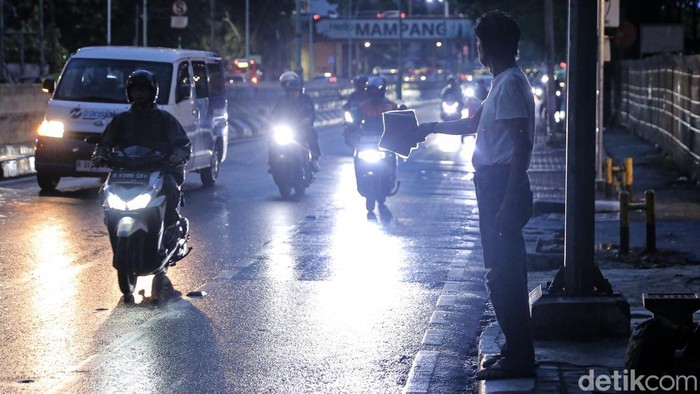
The reliance on sidewalk vendors for essential items underscores a broader characteristic of Jakarta’s urban economy: the symbiosis between formal transit routes and the informal sector. Mampang Prapatan, with its heavy traffic volume and frequent bottlenecks, acts as a natural hub for these micro-businesses.
From an urban planning perspective, the presence of these vendors on sidewalks presents a complex challenge. While they provide an essential service to the public, their presence often occupies pedestrian spaces, leading to ongoing debates regarding city management, traffic flow, and the regulation of street vendors. However, during the rainy season, the "service" provided by these traders—allowing commuters to avoid the delays associated with seeking shelter—often takes precedence in the public consciousness. The vendors occupy the "last mile" of the commuter’s journey, providing an immediate solution to the friction caused by the weather.
Supporting Data and Market Trends
In the broader context of the Indonesian retail sector, the market for "disposable" or "emergency" rain gear has seen a steady increase in volume over the past decade. Increased urbanization and the growing reliance on motorcycle-based transport—often cited as the primary mode of transit for a significant portion of the workforce—have fueled this growth.
Retail analytics suggest that while e-commerce platforms handle a large share of durable goods, the "on-the-spot" market for emergency items remains dominated by physical street-side stalls. This is largely due to the "just-in-time" nature of weather-related shopping. A rider will not order a raincoat online once the rain has started; they will purchase it from the nearest available source. This creates a highly localized, high-velocity market that is resilient to the competitive pressures of the digital economy.
Implications for Public Safety and Commuter Well-being
Beyond the economic aspect, the accessibility of rain gear has implications for public safety. Heavy rain in Jakarta frequently leads to localized flooding and reduced visibility, which are primary factors in traffic accidents. The availability of low-cost, high-visibility raincoats can be considered a marginal but helpful factor in improving rider safety.
However, experts in road safety often note that the quality of these mass-produced, inexpensive raincoats is generally low. They offer minimal protection against heavy winds and can be prone to tearing, which may lead to a false sense of security for the user. Authorities, including the Jakarta Transportation Agency (Dishub), frequently advise commuters to ensure their vehicles are in good condition and to carry high-quality, reusable rain gear as part of their standard emergency kit, rather than relying on single-use items.
Official Responses and Regulatory Outlook
Historically, the municipal government of Jakarta has fluctuated between strict enforcement of sidewalk regulations and periods of tolerance for seasonal vendors. The current administration’s approach emphasizes the need for public order while acknowledging the economic necessity for many informal workers.
While there are no specific blanket bans on the sale of raincoats during the rainy season, vendors are generally expected to maintain the flow of pedestrian traffic. In areas like Mampang Prapatan, the presence of these traders is monitored, but rarely disrupted unless it causes significant congestion that impacts vehicle flow. The consensus among city officials is that as long as the trade remains localized and does not impede essential infrastructure, it serves a temporary utility that aligns with the immediate needs of the citizenry during the monsoon months.
Broader Socio-Economic Impact
The "Rp10,000 economy" is a vital component of the informal sector in Jakarta. It demonstrates the agility of micro-entrepreneurs who adjust their inventory based on seasonal demand. For many of these traders, the rainy season represents one of the most profitable times of the year. The ability to pivot from selling other goods (such as phone accessories or cleaning supplies) to rain-related gear reflects a high degree of market awareness.
Furthermore, this trend illustrates the resilience of the informal economy in the face of macro-economic pressures. Even during periods of inflation, the price point of these items remains relatively stable, as they are low-cost, high-turnover goods. This stability ensures that the service remains accessible to the lowest-income commuters, who are often the most affected by the disruptions caused by extreme weather.
Conclusion: A Seasonal Ritual
As Jakarta enters the peak of the 2026-2027 rainy season, the scenes in Mampang Prapatan serve as a microcosm of the city’s adaptation to its environment. The sight of brightly colored plastic raincoats swaying in the breeze at the edge of the sidewalk has become a seasonal ritual.
While the city continues to modernize and invest in large-scale infrastructure projects to mitigate flooding and improve transport efficiency, the human element—the individual commuter seeking to reach their destination dry—remains the driving force behind these small, vital pockets of commerce. The availability of these items at the price of a modest meal is a testament to the persistent, adaptive nature of Jakarta’s street-level economy, ensuring that life in the capital moves forward, even in the midst of the heaviest downpours. As the months of December, January, and February approach, both the commuters and the vendors are prepared for the peak of the season, marking yet another chapter in the city’s ongoing relationship with its tropical climate.