The evolution of digital communication has fundamentally transformed how human beings interact, bridging geographical divides with the tap of a screen. However, this transition from face-to-face dialogue to text-based messaging has introduced a complex layer of psychological nuance and potential misinterpretation. Among the most ubiquitous casualties of this modern linguistic shift is the humble thumbs-up emoji. Long regarded as a universal digital affirmative—a quick, efficient substitute for words like "okay," "agreed," or "understood"—this graphic symbol is increasingly becoming a source of workplace friction and social anxiety. While older generations often view the thumbs-up reaction as a pragmatic time-saver, a growing generational divide has reframed the gesture. For many younger digital natives, receiving a thumbs-up emoji in response to a message can feel dismissive, cold, ketus, and even passive-aggressive. This evolving perception highlights a fascinating intersection of linguistics, generational psychology, and the changing rules of modern etiquette.
To understand how a simple graphic of a raised hand with an extended thumb became controversial, one must examine the broader mechanics of digital conversation. In face-to-face communication, individuals rely heavily on multimodal cues. Words alone account for only a fraction of human expression; they are constantly supported, contextualized, and sometimes entirely contradicted by facial expressions, body language, vocal inflection, pauses, and eye contact. When communication migrates to the glowing screen of a smartphone or computer, these rich nonverbal markers vanish. Text stripped of intonation easily falls flat, leaving wide room for misinterpretation. To compensate for this loss, digital communicators developed a substitute vocabulary: emojis.
In linguistic terms, this phenomenon falls under the umbrella of "paralanguage"—elements that accompany spoken or written language to convey nonverbal attitudes, emotions, or social intents. As researchers Lorenzo Logi and Michele Zappavigna noted in their 2021 study, "Emoji and Social Media Paralanguage," emojis do not merely serve as decorative flourishes to brighten a screen. Instead, they actively interact with surrounding text to construct meaning. The ultimate interpretation of an emoji is never isolated; it is inextricably bound to the words that accompany it, the nature of the relationship between the sender and the receiver, and the specific situational context of the chat. Consequently, a thumbs-up emoji sent to acknowledge a logistics update in a busy professional chat operates entirely differently than the same emoji deployed to acknowledge a deeply personal narrative or an emotional disclosure from a friend.
The friction surrounding the thumbs-up emoji frequently manifests in professional environments, where efficiency often clashes with expectations of warmth and camaraderie. A prominent case study exemplifying this cultural clash emerged on the online discussion platform Reddit. A corporate employee voiced frustration after discovering that their older colleagues used the thumbs-up reaction purely as an acknowledgment of receipt—an equivalent to saying, "Message received, task noted." Conversely, the employee and their younger peers perceived the exact same symbol as cold, abrupt, and indicative of underlying annoyance or hostility. This anecdotal divide is further backed by broader workforce data. A workplace communication survey conducted in 2025 revealed that while roughly 38 percent of employees routinely use thumbs-up reactions to denote professional agreement, a significant portion of younger workers view the gesture as sarcastic, condescending, or passively hostile.
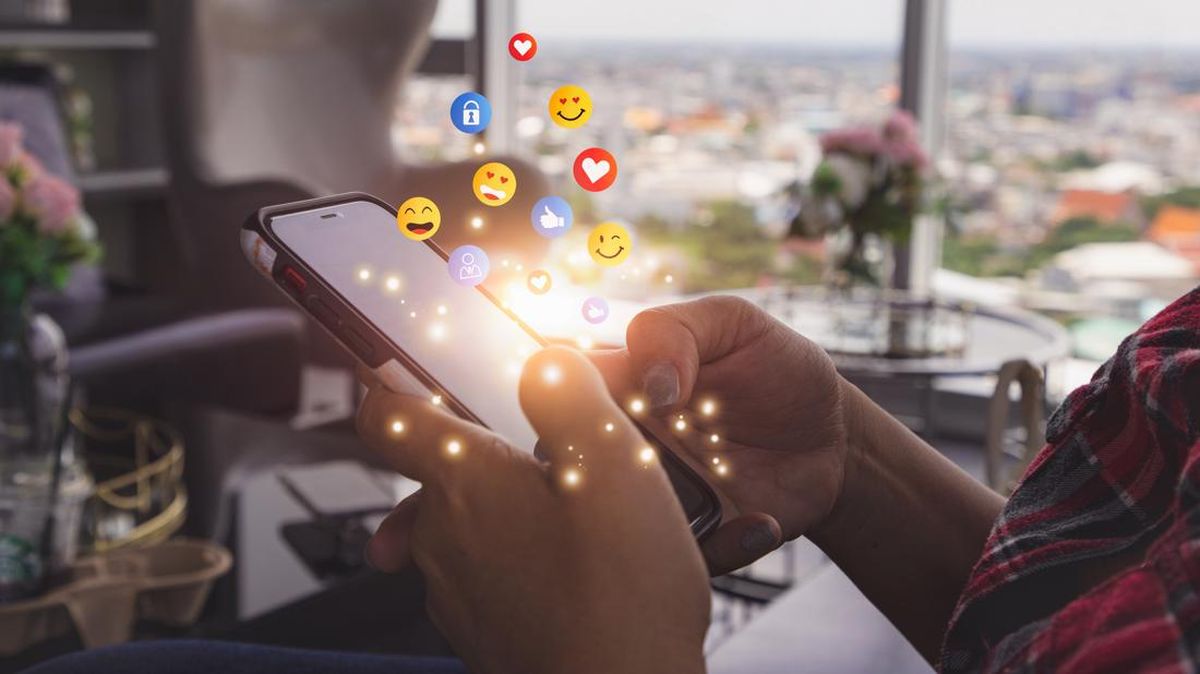
This generational friction is further illuminated by empirical research into digital semiotics. A 2024 study titled "Benign or Toxic? Differences in Emoji Interpretation by Gender, Generation, and Emoji Type," authored by Marina Zhukova and Susan C. Herring, explored how demographic variables deeply influence emotional decoding. The researchers found that traditional, highly literal symbols—most notably the thumbs-up and the standard yellow smiling face—have undergone a semantic shift. Among younger demographics, these once-benign symbols are increasingly categorized as toxic or passive-aggressive. While older generations interpret the thumbs-up literally as a marker of satisfaction, younger cohorts often read between the lines, interpreting the brevity of the response as a lack of engagement or a deliberate emotional shutdown.
Etiquette experts emphasize that this divergence in interpretation creates a minefield for cross-generational collaboration. Nick Leighton, a prominent etiquette expert and co-host of the podcast "Were You Raised by Wolves?", has frequently addressed the shifting landscape of digital manners. According to Leighton, while the thumbs-up remains a standard acknowledgment within professional settings, its reception is entirely dependent on established workplace norms and the existing rapport between colleagues. A boss sending a thumbs-up to a direct report might intend it as encouraging and fast, while the employee might obsess over whether they have done something wrong to warrant such a curt dismissal.
The broader implications of this phenomenon point toward a permanent shift in how society constructs digital politeness. As text-based platforms remain the primary arteries of both commerce and personal socialization, the pressure on micro-expressions like emojis increases exponentially. What constitutes politeness is no longer universal; it is heavily fragmented by age, subculture, and platform norms. For instance, the younger generation’s preference for more expressive, highly animated, or ironic emoji use stands in stark contrast to the minimalist functionalism favored by older professionals who grew up with early text messaging limits.
Despite the growing anxiety surrounding the thumbs-up emoji, communication specialists urge caution against over-pathologizing digital shorthand. In most everyday scenarios, a thumbs-up is simply what it appears to be: a frictionless, low-effort way to close a communication loop. Senders rarely invest malicious intent into a standard system reaction; rather, they are navigating the relentless demands of high-volume digital communication where typing out full sentences for every routine confirmation is deemed inefficient.
Ultimately, navigating the modern chat ecosystem requires a healthy dose of context and empathy. Before individuals jump to conclusions, assume hostility, or accuse a colleague or friend of being passive-aggressive over a single graphic, they must evaluate the broader conversational landscape. Recognizing that different generations speak fundamentally different dialects of digital paralanguage can prevent unnecessary misunderstandings. After all, in the vast and often ambiguous world of online messaging, a thumbs-up is very frequently just a thumbs-up—an innocent digital nod in a noisy virtual room.