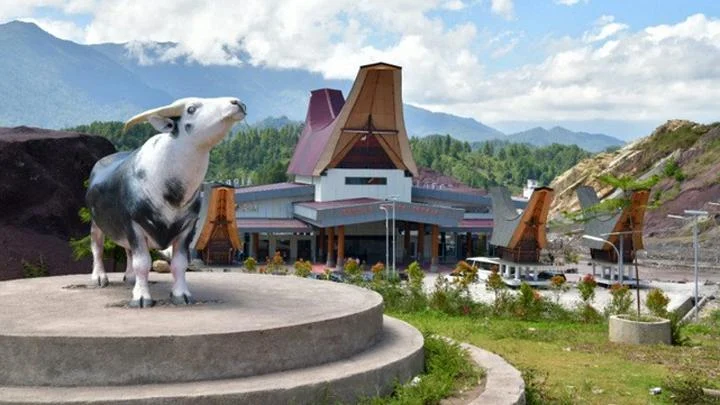
On Thursday, March 18, 2021, Indonesian President Joko Widodo officially inaugurated the Toraja Airport, formerly known as Buntu Kunik Airport, located in the Tana Toraja Regency of South Sulawesi. The ceremony, which was broadcast via the Presidential Secretariat’s YouTube channel, marked a significant milestone in the government’s ongoing effort to improve regional connectivity and revitalize the tourism sector in one of Indonesia’s most culturally significant regions. The inauguration represents the culmination of a decade-long infrastructure project that faced numerous topographical and logistical challenges before finally becoming a functional gateway to the mountainous heart of South Sulawesi.
A Decade of Transformation and Infrastructure Hurdles
The history of the Toraja Airport is a testament to the complexities of developing infrastructure in rugged, high-altitude terrain. The project officially commenced in 2011, intended to replace the aging and geographically constrained Pongtiku Airport in Ratentayo. However, the initial construction phase was marked by significant delays and technical difficulties, causing the project to stall for several years.
It was not until 2018, under the current administration, that the project received renewed momentum. The central government prioritized the completion of the airport, accelerating the construction process to meet modern aviation standards. By mid-2020, the first phase of the development was successfully completed, allowing for the initiation of commercial flight operations. The transition from Buntu Kunik to the name "Toraja Airport" was not merely a superficial change; it was the result of a rigorous consultative process involving the Tana Toraja Regency government, traditional leaders representing 19 local districts, and legislative approval from the regional parliament (DPRD), before being finalized by the Ministry of Transportation.
Engineering Challenges: Taming the Topography
One of the most notable aspects of the Toraja Airport is the engineering feat required to establish the site. Tana Toraja is defined by its dramatic, mountainous landscape, which presented immense challenges for airport construction. To create a runway long enough to accommodate modern aircraft, engineers had to perform extensive land clearing and excavation.
Minister of Transportation Budi Karya Sumadi highlighted that the construction process was among the most difficult in the country due to the steep topography. Specifically, the project required the leveling of three separate hills to create a flat, 2,000-meter runway strip. This process of "mountain cutting" was essential to ensure the safety and viability of the landing zone. Even after the inauguration, the Ministry of Transportation committed to ongoing work throughout 2021 to remove remaining obstacles and further refine the runway’s safety zones, ensuring that the facility meets the highest international safety standards.
Technical Specifications and Operational Capacity
The airport occupies a total area of 141 hectares, designed to serve as a critical transportation node. In its initial configuration, the facility features a 1,600-meter runway designed specifically to accommodate ATR-72 type aircraft, which are standard for short-haul regional flights. The supporting infrastructure includes an apron measuring 94.5 x 67 meters and a taxiway spanning 124.5 x 15 meters.
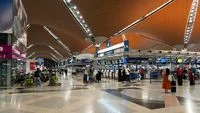
The terminal building covers an area of 1,000 square meters, providing a comfortable space for passengers with a total capacity of approximately 150 people at any given time. Looking toward the future, the development plan includes expanding the runway to a total length of 2,000 meters. This extension is a strategic necessity to accommodate larger, narrow-body aircraft such as the Boeing 737, which would allow for direct flights from more distant major hubs, thereby increasing the passenger influx into the region.
Currently, the airport is serviced by two major carriers: Wings Air and Citilink. These airlines operate regular routes connecting Toraja with Makassar, the capital city of South Sulawesi. This connection is vital, as it links the regional hub to the Sultan Hasanuddin International Airport in Makassar, which serves as a gateway for both domestic and international travelers.
Economic and Tourism Implications
During the inauguration, President Joko Widodo emphasized that the primary goal of the airport is to serve as a catalyst for local economic development. By improving access to Tana Toraja, the government aims to create new economic hubs and generate employment opportunities for the local population.
Tana Toraja is globally renowned for its unique cultural heritage, particularly its elaborate funeral rites, traditional Tongkonan houses, and stunning highland landscapes. Despite its fame, the region was previously difficult to reach, often requiring a long and arduous overland journey from Makassar. The introduction of air travel drastically reduces travel time from approximately eight to ten hours by road to roughly 50 minutes by air. This shift is expected to significantly boost the tourism industry, making the region more accessible to both domestic and international tourists who have limited time for travel.
The multiplier effect of increased tourism is projected to stimulate the local hospitality, culinary, and artisanal sectors. As more visitors arrive, demand for hotels, homestays, and tour services will increase, providing a much-needed boost to the local economy, which has been historically reliant on agriculture.
Official Statements and Strategic Vision
In his address, President Widodo noted the importance of connectivity as the backbone of national progress. "This airport is crucial for boosting connectivity and local tourism," the President stated via his official Twitter account shortly after the ceremony. He expressed his confidence that the local government and the community would maximize the facility to improve the welfare of the people of Tana Toraja.
The Ministry of Transportation also underscored the project as a priority for the government’s "National Connectivity" agenda. The successful completion of the airport is viewed as a model for how the government can overcome natural barriers to integrate remote, high-value cultural sites into the national economy. The collaboration between the Ministry, the regional government, and local customary leaders served as a blueprint for how future infrastructure projects should be managed—balancing modern engineering with local cultural sensitivities.
Analysis: A New Era for Tana Toraja
The inauguration of Toraja Airport comes at a pivotal time. As the global travel industry recovers from the impacts of the COVID-19 pandemic, the ability to offer accessible, unique, and "off-the-beaten-path" destinations becomes a competitive advantage for Indonesia.
The economic analysis of this infrastructure investment points toward a sustainable long-term gain. While the initial capital expenditure for such a project is high, the return on investment is measured not only in ticket sales but in the broader transformation of the Tana Toraja regency. By providing a reliable logistics chain, the airport also allows for the easier transport of local commodities and agricultural products, which were previously limited by the cost and time of road transport.
Furthermore, the airport serves as a symbol of the central government’s commitment to "Indonesia-Centric" development—a policy platform that seeks to distribute economic growth beyond the island of Java. By investing in the infrastructure of the outer islands and highlands, the government is creating a more equitable distribution of development.
Challenges Ahead and Future Prospects
Despite the success of the inauguration, the long-term viability of the airport depends on several factors. First, the sustainability of flight routes remains a key concern. The government and local authorities must continue to coordinate with airlines to ensure that flight frequencies meet demand without compromising the profitability of the routes. Second, the development of supporting infrastructure—such as roads leading to and from the airport, as well as the enhancement of local tourism infrastructure—is essential to ensuring that the airport serves as a seamless portal to the region.
The planned second phase of expansion, which aims to accommodate Boeing 737-class aircraft, will be the next major hurdle. This will require continued technical precision to manage the surrounding terrain and ensure that the airport remains safe during inclement weather, which is common in the mountainous regions of Sulawesi.
Conclusion
The inauguration of the Toraja Airport is a landmark event that bridges the gap between the ancient cultural heritage of Tana Toraja and the modern demands of the 21st-century tourism industry. Through the persistent efforts of the government and the engineering ingenuity displayed in the face of steep topography, the region is now better positioned to compete on a national and global scale. As the facility continues to evolve and as passenger numbers grow, the Toraja Airport is set to become more than just a transportation hub; it will be the primary engine driving the socioeconomic future of the Tana Toraja people, ensuring that their unique heritage is shared with and appreciated by the world for generations to come.