Socio Today
The act of apologizing is often regarded as a fundamental pillar of social etiquette and moral development. However, for many parents, witnessing a child’s stubborn refusal to say "I’m sorry" can be a source of profound frustration and social embarrassment. While it is common for caregivers to interpret this reluctance as a sign of defiance, disrespect, or a lack of empathy, developmental psychologists suggest that the reality is far more complex. The difficulty children face in apologizing is rarely a matter of simple rebellion; rather, it is deeply rooted in the intricate stages of cognitive growth, emotional regulation, and the environmental influences that shape their understanding of accountability.
In the contemporary landscape of child psychology, the emphasis has shifted from enforcing compliance to fostering genuine emotional intelligence. Experts argue that a forced apology—one delivered under duress without an internal understanding of the transgression—holds little educational value and may even hinder a child’s moral development. To navigate these challenges effectively, parents must look beyond the behavior itself and examine the underlying psychological triggers that make the word "sorry" feel like an insurmountable hurdle for a young mind.
The Developmental Timeline of Empathy and Cognition
One of the primary reasons children struggle to apologize is that the cognitive machinery required for genuine remorse is not fully operational in early childhood. According to developmental frameworks, such as those proposed by Jean Piaget and later refined by modern neuroscience, children in the "preoperational stage" (typically ages 2 to 7) are naturally egocentric. This is not a personality flaw but a cognitive limitation; they literally struggle to see the world from a perspective other than their own.
Research indicates that the ability to experience true empathy—understanding and sharing the feelings of another person—begins to emerge more concretely around the ages of 4 to 5. Before this milestone, a child might see another child crying because they took a toy, but they may not yet possess the "Theory of Mind" necessary to link their specific action to the other child’s internal emotional state. Without this link, a request to apologize feels like an arbitrary demand for a magic word rather than a response to a social rupture. Data from longitudinal studies on early childhood development suggest that brain regions associated with social cognition, such as the medial prefrontal cortex, undergo significant maturation during these years, gradually allowing children to process the consequences of their actions on others.
The Counterproductive Nature of Forced Apologies
In many households and educational settings, the immediate reaction to a conflict is to demand an instant apology. While this may temporarily de-escalate a situation, it often fails to teach the intended lesson. When a child is forced to apologize before they have processed their emotions or understood the "why" behind the request, the apology becomes a mere performance.
Psychologists note that forced apologies can lead to "emotional bypassing." Instead of reflecting on the harm caused, the child learns that saying a specific word is a "get out of jail free" card that satisfies adults and ends the discomfort of a confrontation. Over time, this can diminish the perceived value of an apology, turning it into a social formality rather than a tool for reconciliation. Furthermore, if a child is still in a state of high emotional arousal—feeling angry, defensive, or misunderstood—forcing them to speak can trigger a "fight or flight" response, making them even more resistant to admitting fault.
The Psychological Barrier of Shame versus Guilt
A critical distinction in child psychology that impacts the ability to apologize is the difference between guilt and shame. Guilt is the feeling that "I did something bad," which is a healthy, pro-social emotion that encourages behavioral correction. Shame, however, is the belief that "I am bad." For many children, admitting a mistake feels like an admission of being a "bad person."
When a child experiences intense shame, their ego perceives an apology as a threat to their self-worth. In these instances, the refusal to apologize is a defensive mechanism intended to protect their fragile identity. According to studies on emotional resilience, children who are frequently shamed for their mistakes are more likely to become defensive and avoidant. They fear that if they admit they were wrong, they will lose the love or approval of their parents. This internal conflict creates a stalemate where the child would rather endure punishment than face the perceived annihilation of their character that an apology represents.
The Influence of Communication Patterns and Blame
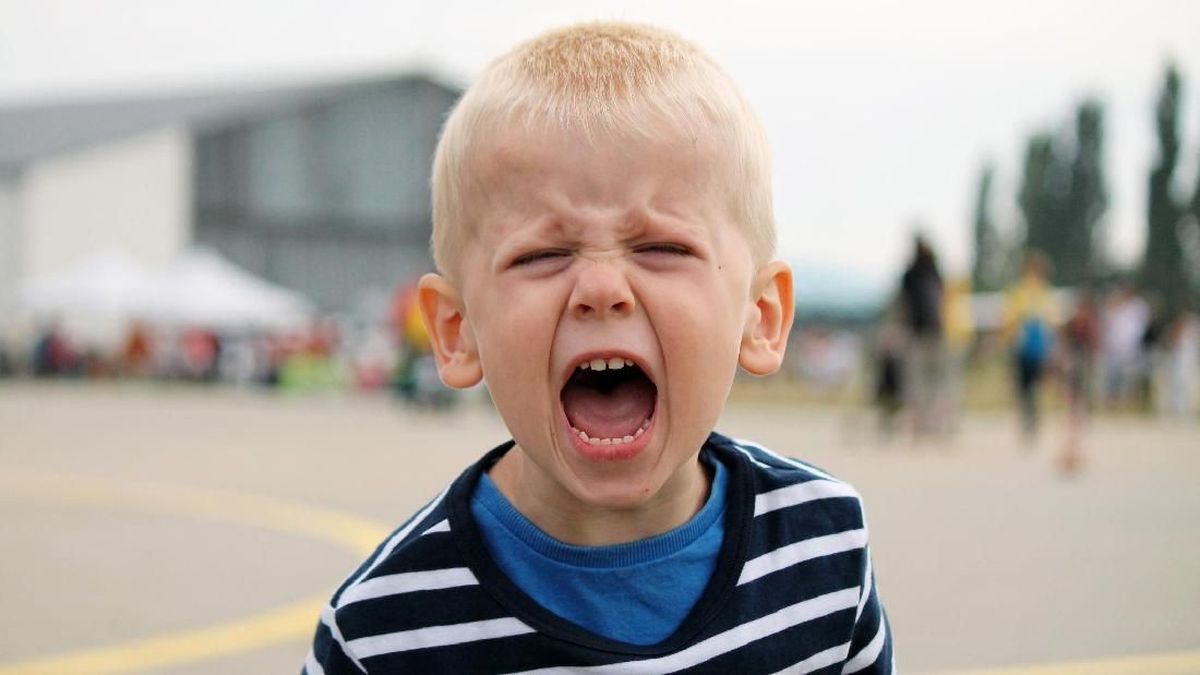
The environment in which a child is raised plays a pivotal role in their willingness to take responsibility. Communication patterns that rely heavily on blame, such as asking "Why did you do that?" in a harsh tone or comparing the child to a more "well-behaved" sibling, often foster an atmosphere of fear. In such environments, children become experts at self-preservation.
When the focus of a parent’s reaction is on the "wrongness" of the child rather than the "impact" of the action, the child’s brain prioritizes defense over reflection. Analysis of family dynamics suggests that in high-pressure or highly critical households, children may associate admitting a mistake with an inevitable barrage of lectures or loss of privileges. Consequently, they learn to deflect, lie, or remain silent as a way to minimize conflict. Building a "shame-free zone" where mistakes are treated as learning opportunities is essential for lowering these psychological defenses.
Restorative Justice: Moving Beyond Words
A significant hurdle for children is that they often do not know how to fix what they have broken, whether it is a physical object or a social bond. For a child, the word "sorry" can feel empty because it doesn’t undo the damage. This is where the concept of "restorative justice" in parenting becomes vital.
Experts suggest that teaching children "restitution"—the act of making things right—is often more effective than focusing solely on a verbal apology. If a child knocks over a friend’s block tower, the parent can guide them to help rebuild it. If they hurt someone’s feelings, they can be encouraged to offer a hug or a drawing. This approach shifts the focus from the child’s "sin" to the child’s "agency." By learning that they have the power to repair a situation, children gain the confidence to acknowledge their mistakes. They begin to see that an apology is just the beginning of a process of restoration, making the act of saying "sorry" feel less like a defeat and more like a constructive action.
The Power of Parental Modeling
Perhaps the most influential factor in a child’s ability to apologize is the example set by the adults in their lives. Children are acute observers of social behavior, and they learn more from what parents do than what they say. If a parent never apologizes to their child—viewing it as a sign of weakness or a threat to their authority—the child internalizes the idea that apologizing is a loss of power.
Conversely, when a parent says, "I’m sorry I raised my voice, I was frustrated but it wasn’t your fault," they provide a powerful template for accountability. This demonstrates that even "the boss" makes mistakes and that apologizing does not result in a loss of respect. On the contrary, it strengthens the bond. Social learning theory, pioneered by Albert Bandura, emphasizes that modeling is the primary vehicle for acquiring complex social behaviors. When parents normalize the act of apologizing, they strip away the stigma of "being wrong" and replace it with the value of "being responsible."
Analysis of Long-Term Implications
The inability to apologize in childhood, if left unaddressed through supportive intervention, can carry over into adulthood, affecting personal relationships and professional trajectories. Individuals who struggle with accountability often face challenges in conflict resolution and may struggle to maintain long-term partnerships.
In a broader societal context, the shift toward "gentle parenting" and "authoritative" styles—which prioritize emotional understanding over blind obedience—reflects a growing recognition that emotional intelligence is a key predictor of success. By understanding the six primary reasons why children find it difficult to apologize, parents can move away from power struggles and toward a coaching role. This not only resolves the immediate conflict but also equips the child with the emotional tools necessary for a lifetime of healthy, respectful interactions.
Ultimately, the goal is not to produce a child who says "sorry" on command, but to raise an individual who values the feelings of others and possesses the courage to take responsibility for their actions. This transition from compliance to character requires patience, a deep understanding of developmental milestones, and a commitment to leading by example. Understanding that a child’s silence is often a cry of confusion or shame allows for a more compassionate and effective path toward moral maturity.