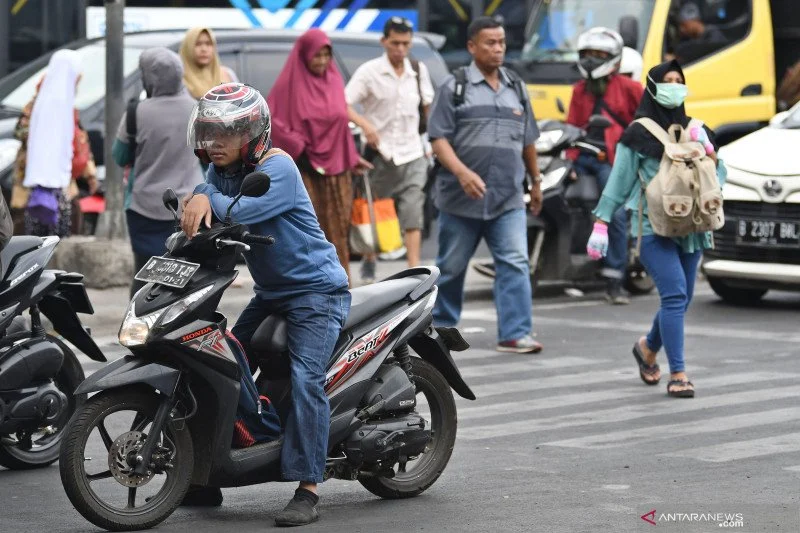
Motorcycle riders frequently encounter a frustrating and potentially dangerous scenario: a fuel-injected engine that suddenly cuts out when the vehicle comes to a stop at a traffic light or while navigating heavy congestion. This phenomenon, commonly referred to as stalling at idle, disrupts the seamless operation of modern fuel-injected (EFI) systems and can pose significant safety risks, particularly if the engine dies mid-maneuver or while turning in a busy intersection. While the transition from carbureted engines to sophisticated electronic fuel injection has drastically improved fuel efficiency and cold-start reliability, it has also introduced a complex layer of sensors and actuators that require precise maintenance to remain functional.
The Evolution and Mechanics of Modern Fuel Injection
The shift toward fuel injection technology in the motorcycle industry was primarily driven by stringent global emissions regulations, such as the Euro 3, 4, and 5 standards. These regulations require precise control over the air-fuel ratio to minimize harmful exhaust emissions. Unlike carburetors, which rely on mechanical vacuum principles, an EFI system uses an Electronic Control Unit (ECU) to process data from various sensors—such as the Throttle Position Sensor (TPS), Intake Air Temperature (IAT) sensor, and Oxygen (O2) sensor—to deliver the exact amount of fuel required for any given load.
When a rider releases the throttle, the engine enters an "idle" or "langsam" state. During this phase, the ECU must maintain a consistent RPM (revolutions per minute) to keep the engine running against internal friction. If the balance between air intake, fuel atomization, and spark timing is disrupted, the engine will inevitably stall.
Chronology of Potential Failure Points
While a stalling issue may seem sudden, it is often the result of cumulative wear or neglect. Automotive engineers suggest that symptoms often manifest in a predictable sequence:
- Initial Degradation: Subtle changes in idle quality, such as minor vibrations or slight fluctuations in the tachometer, are often ignored by riders.
- Intermediate Symptoms: Occasional hesitations during acceleration or "jerking" at low speeds, indicating the fuel-air mixture is becoming inconsistent.
- Critical Failure: The engine loses the ability to sustain itself during idle, leading to immediate shutdown when the throttle is closed.
Deep Dive into Technical Causes
Expert technicians from major motorcycle manufacturers identify nine primary culprits that lead to these unexpected stalls.
1. Throttle Body Accumulation
The throttle body acts as the gateway for air entering the combustion chamber. Over thousands of kilometers, the "blow-by" gases from the crankcase ventilation system deposit carbon and oil residue onto the throttle plate. This buildup restricts airflow at low throttle openings, causing the ECU to struggle to calculate the correct idle air volume.
2. Idle Speed Control (ISC) Malfunctions
Many modern motorcycles utilize an ISC valve or a stepper motor to bypass the main throttle plate and provide a precise amount of air during idle. If this component is jammed with carbon or suffers from electrical failure, the engine will be starved of oxygen the moment the rider rolls off the throttle.
3. Injektor Atomization Issues
An injector’s job is to create a fine mist of fuel. If the nozzle is partially clogged by debris or fuel additives, the fuel enters the chamber as a stream rather than a mist. This leads to poor combustion efficiency at low RPM, where the margin for error is minimal.
4. The Role of the Air Filter
Modern engines are highly sensitive to "breathing." A clogged air filter restricts the volume of air, causing the system to run "rich" (too much fuel, not enough air). This condition can foul the spark plug and destabilize the combustion cycle, resulting in stalling.
5. Ignition System Degradation
The spark plug is the heart of the combustion process. As a plug ages, the electrode gap widens, requiring more voltage to create a spark. If the coil or the spark plug itself is failing, the ignition energy may be insufficient to maintain combustion at low idle speeds, even if the engine runs fine at higher RPMs.
6. Fuel Pump Pressure Deficiencies
The fuel pump must maintain a constant, high pressure (usually between 40 to 50 PSI). If the pump is aging or the fuel filter is restricted, the pressure may drop significantly when the engine is idling, leading to a lean stall condition.
7. Sensor Calibration Errors
The ECU is only as accurate as the data it receives. If the Throttle Position Sensor (TPS) provides erratic feedback, the ECU may "think" the throttle is closed when it is not, or vice versa. This confusion in the digital mapping often leads to a sudden cut-off of fuel delivery.
8. Vacuum Leaks
Rubber intake manifolds and vacuum hoses are susceptible to dry rot and cracking over time. A leak allows "unmetered" air to enter the engine, bypassing the sensors. This makes it impossible for the ECU to regulate the fuel mixture correctly.
9. Valve Clearance Discrepancies
Valve clearance (or tappet adjustment) is a fundamental mechanical requirement. If the clearance is too tight, the valves may not close completely once the engine reaches operating temperature, leading to a loss of compression and an unstable idle.
Data-Driven Analysis of Maintenance Impacts
Statistical data from authorized service centers indicate that 70% of reported "sudden stall" cases in motorcycles under five years old are attributed to lack of proper maintenance on the throttle body and air intake system. Furthermore, vehicles operating in high-pollution urban environments demonstrate a 25% higher incidence of ISC valve failure due to increased particulate matter ingress.
The implication is clear: modern fuel injection, while robust, is not maintenance-free. Neglecting the recommended service intervals—specifically for throttle body cleaning and air filter replacement—directly correlates to an increased risk of mid-traffic mechanical failure.
Official Guidelines and Manufacturer Responses
Industry experts emphasize that riders should avoid "quick fixes." A common mistake is manually adjusting the idle screw or resetting the ECU without diagnostic equipment. Doing so often masks the underlying symptom without addressing the root cause, such as a failing fuel pump or a faulty sensor.
Recommended Action Plan for Riders:
- Diagnostic First: If the Malfunction Indicator Lamp (MIL) illuminates, visit a service center to have the error codes scanned. Modern ECUs store "frozen frame" data that can pinpoint the exact moment of failure.
- Routine Inspection: Ensure the fuel filter and fuel pump pressure are checked at every major service interval.
- Environmental Considerations: Riders in dusty or humid climates should shorten their air filter maintenance intervals by 30% compared to the manufacturer’s base recommendations.
Broader Implications for Road Safety
The safety implications of a motorcycle stalling at a stop cannot be overstated. A rider who experiences a stall while beginning a turn at an intersection is left vulnerable to cross-traffic. Furthermore, the psychological stress of a motorcycle "dying" in fast-moving traffic can lead to panicked maneuvers, increasing the likelihood of accidents.
From an engineering perspective, the transition to Euro 5 and future emissions standards will likely result in even more complex sensor arrays. While this will improve environmental outcomes, it necessitates a shift in the rider’s mindset toward more proactive vehicle stewardship.
Conclusion
A motorcycle that stalls at a stop is not merely an inconvenience; it is a diagnostic signal from the engine that a critical component is deviating from its optimal operating parameters. By understanding that the fuel injection system relies on a delicate harmony between airflow, fuel pressure, and ignition timing, owners can move away from guesswork and toward precision maintenance. Whether the cause is a simple dirty throttle body or a more complex sensor fault, systematic diagnostics performed by trained professionals remains the safest and most cost-effective path to ensuring reliability on the road. Regularly scheduled service, combined with an awareness of the bike’s behavior, ensures that the sophisticated technology powering today’s motorcycles continues to perform as intended.