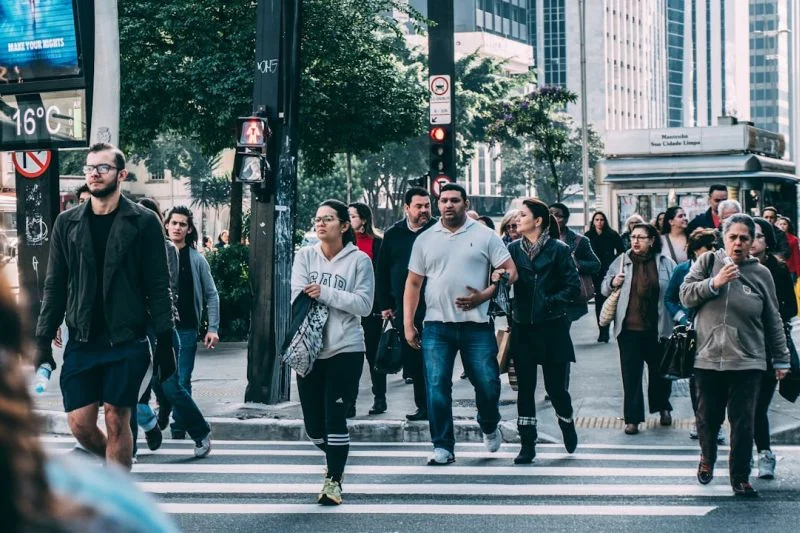
In an era defined by high-intensity interval training, expensive boutique gym memberships, and the gamification of fitness through wearable technology, a quiet revolution is taking place on the sidewalks of major cities. Walking—the most fundamental human movement—has re-emerged as the primary prescription for public health, transcending the need for specialized equipment or high-cost subscriptions. As global populations grapple with the health consequences of sedentary lifestyles, medical experts and health organizations are pivoting back to the basics, championing walking as a potent, accessible, and sustainable intervention against chronic disease.
The resurgence of walking is not merely a lifestyle trend fueled by social media influencers or urban commuting habits; it is a clinical response to a global inactivity crisis. According to the World Health Organization (WHO), physical inactivity is a leading risk factor for non-communicable diseases (NCDs), contributing to millions of preventable deaths annually. In an increasingly digital landscape where work, entertainment, and communication are mediated through screens, the act of walking represents a necessary corrective to the prolonged sitting that now characterizes modern professional life.
The Clinical Foundation of Movement
The physiological benefits of walking are extensive, extending far beyond the superficial goal of weight management. From a cardiovascular perspective, walking serves as an effective mechanism for improving blood flow and arterial health. When an individual engages in brisk walking—typically defined as a pace where one can talk but not sing—the heart rate increases, stimulating the cardiovascular system to pump blood more efficiently.
Longitudinal data consistently demonstrate that regular walking is inversely associated with the incidence of hypertension, stroke, and type 2 diabetes. The American Heart Association (AHA) notes that walking helps manage blood pressure by maintaining the elasticity of blood vessels. Furthermore, for individuals who find high-impact exercise, such as running or weightlifting, physically prohibitive or intimidating, walking offers a low-entry-barrier alternative that provides significant protective effects.
Recent research published in clinical journals suggests that the benefits are dose-dependent but not necessarily performance-dependent. This means that while greater intensity offers more significant gains, even moderate levels of walking provide measurable improvements in metabolic health. The accumulation of these small, consistent movements is what the medical community now prioritizes over the "weekend warrior" approach to exercise.
Addressing the 10,000-Step Myth
For years, the public health narrative has been dominated by the 10,000-step daily goal—a number that originated in the 1960s as a marketing strategy for early Japanese pedometers rather than as a product of rigorous peer-reviewed research. While 10,000 steps is a commendable target, it is not a scientific mandate for health.
Contemporary guidelines from the WHO suggest a more flexible framework: adults aged 18 to 64 should aim for 150 to 300 minutes of moderate-intensity aerobic physical activity per week. This can be achieved through brisk walking alone. The primary takeaway for the public is that any movement is better than no movement. If a sedentary individual transitions to adding just 2,000 or 3,000 additional steps to their daily routine, they will see immediate improvements in insulin sensitivity and blood glucose regulation. The pressure to reach an arbitrary high-digit goal often leads to burnout; shifting the focus to consistent, habitual movement is a more effective strategy for long-term health adherence.
Mental Health and the Neurological Dividend
The impact of walking on cognitive and emotional health is a burgeoning area of scientific inquiry. Beyond the release of endorphins, walking facilitates a state of "transient hypofrontality," where the prefrontal cortex—the part of the brain responsible for high-level executive function and ruminative thought—quiets down. This allows for improved creative problem-solving and a reduction in the physiological markers of stress.
The Centers for Disease Control and Prevention (CDC) has documented that regular physical activity, including walking, is a powerful tool in managing symptoms of anxiety and clinical depression. The mechanism is twofold: biological and social. Biologically, physical activity regulates neurotransmitters such as serotonin and dopamine. Socially, walking often occurs in shared spaces. Whether it is a walking meeting in an office setting or a weekend stroll with family, the social connectivity afforded by walking reduces the isolation often linked to modern urban living.
Chronology of the Modern Walking Movement
The transition of walking from a mundane task to a health imperative has occurred in distinct phases over the last decade:
- 2015–2017: The Wearable Tech Boom. The rise of smartwatches and fitness trackers popularized the concept of "quantified self," leading to the mass adoption of step counting as a daily metric.
- 2018–2019: Urban Planning Integration. Major global cities began prioritizing "walkability" in urban design, recognizing that the built environment is the greatest determinant of physical activity levels in a population.
- 2020–2022: The Pandemic Effect. During global lockdowns, walking became the primary safe outlet for physical and mental relief, cementing its role as a necessary habit for maintaining psychological equilibrium.
- 2023–Present: The "Soft Hiking" and "Hot Girl Walk" Phenomenon. Social media trends have rebranded walking for younger demographics, focusing on the mental health aspects—such as mindfulness and social connection—rather than purely caloric expenditure.
Practical Implementation: Building the Habit
Integrating walking into a busy schedule requires a shift in mindset. Instead of viewing exercise as a compartmentalized, hour-long session at a gym, individuals are encouraged to view their entire day as an opportunity for movement.
- The Commute: Utilizing public transport often necessitates a "first-mile, last-mile" walk, which, when compounded over a week, significantly boosts total step counts.
- The Micro-Walk: Taking a 10-minute walk after meals has been clinically proven to assist in managing postprandial glucose levels, making it a critical habit for those at risk of diabetes.
- Active Meetings: Replacing sedentary boardroom meetings with walking meetings has been shown to increase focus and foster more candid communication among team members.
- Stair Climbing: Choosing stairs over elevators provides a high-intensity burst of activity that, while brief, contributes significantly to cardiovascular fitness.
Risk Management and Safety
While walking is accessible, it is not without risk, particularly for individuals who have been sedentary for extended periods. Medical professionals emphasize the need for a "start slow, go slow" approach. Sudden, excessive increases in walking duration can lead to orthopedic issues such as plantar fasciitis or stress fractures.
Furthermore, individuals with pre-existing conditions—particularly heart disease or respiratory issues—should consult with a healthcare provider before initiating a new exercise regimen. Symptoms such as persistent chest pain, unusual shortness of breath, dizziness, or lightheadedness during a walk are clinical red flags that necessitate an immediate cessation of activity and a medical evaluation.
Future Implications and Public Policy
The broad adoption of walking as a public health intervention has profound implications for urban infrastructure and public policy. As cities face rising costs associated with healthcare and climate change, investing in walkable neighborhoods is increasingly viewed as a cost-effective solution. Pedestrian-friendly infrastructure not only encourages physical activity but also reduces traffic congestion and air pollution, creating a synergistic effect between individual health and environmental sustainability.
Looking forward, the integration of walking into daily life is expected to remain a cornerstone of preventive medicine. As we continue to move toward a digital-first economy, the physical act of walking will likely become even more important as a grounding mechanism. It is a reminder that while technology advances at an exponential rate, the human body’s fundamental requirement for rhythmic, sustained movement remains a biological constant.
In conclusion, the movement toward walking is a return to a more intuitive state of existence. It requires no specialized software, no subscription, and no expert instruction—only the intentional choice to place one foot in front of the other. By shifting the focus from rigid exercise metrics to the simple, daily integration of movement, individuals can unlock a vast range of health benefits that are as sustainable as they are essential. Whether for the heart, the mind, or the simple joy of moving, the message from the medical community is clear: walking is not just a way to get from point A to point B; it is the most effective way to improve the quality of life from start to finish.