Socio Today
JAKARTA — Public sentiment regarding the performance of Indonesia’s executive branch has once again taken center stage as pollster Poltracking Indonesia published its latest comprehensive survey results. The data, released on Sunday, October 19, 2025, highlights public approval levels for key members of the Red and White Cabinet (Kabinet Merah Putih), as well as the overarching leadership performance of President Prabowo Subianto and Vice President Gibran Rakabuming Raka after a year in office.
According to the findings, Minister of Religious Affairs Nasaruddin Umar and Minister of Finance Purbaya secured the highest public satisfaction ratings among their ministerial peers. Meanwhile, the administration as a whole continues to enjoy a robust majority of public backing, despite ongoing socio-economic challenges and structural policy adjustments implemented during the first year of the current government’s term.
Methodology and Survey Parameters
The nationwide survey was conducted by Poltracking Indonesia between October 3 and October 10, 2025. The research utilized a multistage random sampling method involving 1,220 respondents aged 17 years and older—or those who are otherwise eligible voters—distributed proportionally across Indonesia’s provinces.
Data collection was executed through direct, face-to-face interviews administered by trained field surveyors. The survey maintains a margin of error of approximately +/- 2.9 percentage points at a 95 percent confidence level. This rigorous methodological framework allows researchers to capture a statistically reliable snapshot of public sentiment regarding governmental performance at both the institutional and individual ministerial levels.
Ministerial Approval Rankings: Religious Affairs and Finance Lead the Pack
During an online press conference detailing the survey results, Poltracking Indonesia Executive Director Hanta Yuda outlined the nuanced breakdown of ministerial performance metrics.
Minister of Religious Affairs Nasaruddin Umar emerged at the apex of public approval for individual cabinet members, registering an impressive cumulative satisfaction rating of 65.7 percent. A detailed breakdown of this figure indicates that 10.8 percent of respondents felt "very satisfied" with his leadership, while 54.9 percent reported being "quite satisfied." Analysts attribute this strong showing to proactive religious diplomacy, effective management of religious harmony programs, and high-visibility community outreach initiatives undertaken by the Ministry of Religious Affairs during his tenure.
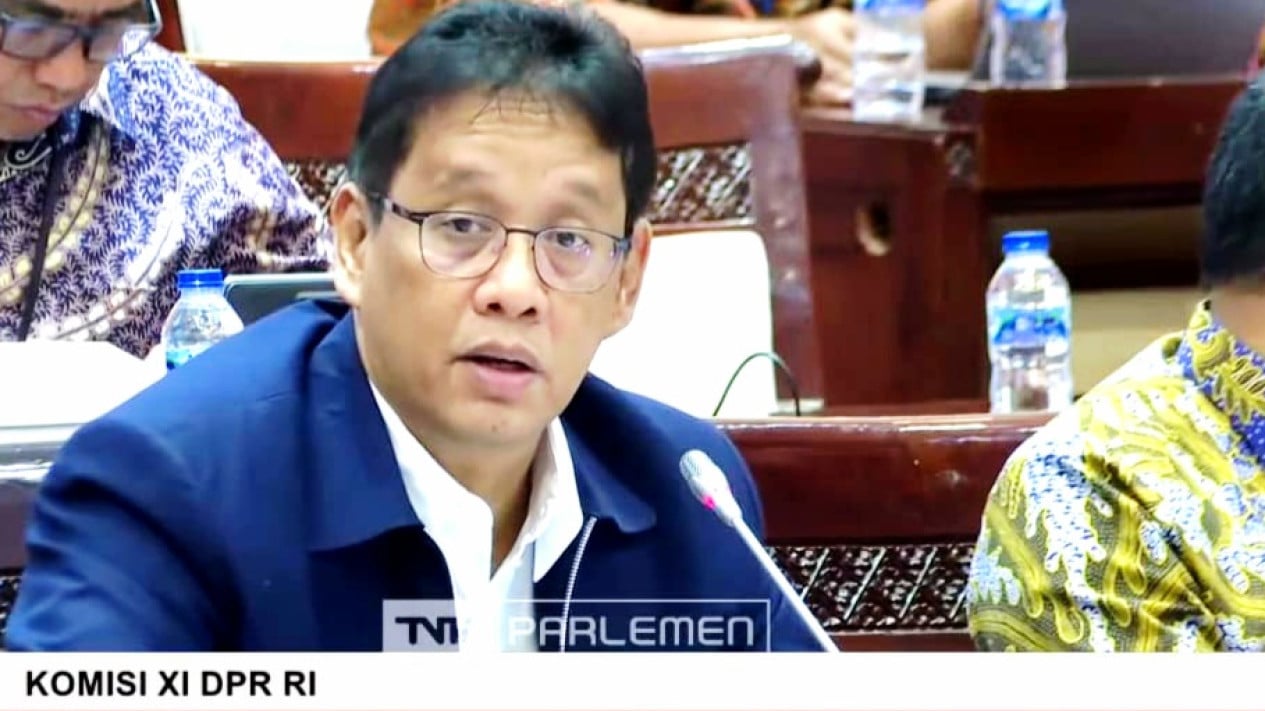
Closely following in second place among cabinet ministers is Minister of Finance Purbaya. Public approval for the finance portfolio stood at a solid 61.2 percent. Specifically, 11.0 percent of respondents expressed that they were "very satisfied" with Purbaya’s stewardship of the national economy, whereas 50.2 percent indicated they were "quite satisfied." Given the immense pressures facing global and domestic financial markets—including inflationary pressures, currency fluctuations, and the imperative to maintain fiscal discipline—the Ministry of Finance’s ability to maintain public confidence underscores a stable perception of economic management.
Other notable high-performing officials within the Red and White Cabinet also received favorable evaluations from the surveyed public. Erick Thohir, serving as the Minister of Youth and Sports (Menpora), captured a 63.5 percent cumulative satisfaction rating, reflecting continued public enthusiasm for sports development initiatives, international event hosting, and youth empowerment programs. Additionally, Cabinet Secretary (Seskab) Teddy Indra Wijaya secured a notable 58.1 percent approval rating, pointing toward effective administrative coordination at the highest levels of the executive office.
Executive Leadership: Prabowo-Gibran Administration Evaluation
Beyond individual ministries, the survey evaluated the collective performance of the Prabowo-Gibran administration after completing its initial operational phase. When asked about the administration’s overall performance over the past year, 78.1 percent of respondents expressed satisfaction. Conversely, 19.3 percent stated they were dissatisfied, while 2.6 percent opted not to answer or declared themselves undecided.
Hanta Yuda emphasized that this high aggregate approval reflects a durable political honeymoon period paired with tangible policy rollouts. "We see a combined satisfaction rating for the Prabowo-Gibran administration where 78.1 percent of the public state they are satisfied, while 19.3 percent express dissatisfaction," Yuda stated during the virtual briefing.
When evaluated individually, President Prabowo Subianto achieved an individual satisfaction rating of 78.3 percent, slightly higher than the combined ticket average. Vice President Gibran Rakabuming Raka also scored strongly, with 71.4 percent of respondents registering satisfaction with his performance. These high figures suggest that public goodwill toward the executive tandem remains resilient, bolstered by popular social programs and decisive leadership messaging.
Background Context: Navigating the First Year of the Red and White Cabinet
The release of these polling figures arrives at a critical juncture for the Indonesian government. The Red and White Cabinet assumed power with an ambitious legislative and executive agenda aimed at accelerating national development, boosting downstream mineral industries (hilirisasi), strengthening food and energy security, and executing expansive social welfare programs such as the national nutritious meal initiative.
During its first year, the administration has had to navigate complex global economic headwinds, including geopolitical tensions affecting supply chains, volatile commodity prices, and the domestic challenge of stimulating job creation amidst shifting industrial landscapes. Fiscal prudence, championed by the Ministry of Finance, has had to be carefully balanced against populist spending demands. Similarly, the Ministry of Religious Affairs has continuously worked to navigate pluralism and institutional governance in a culturally diverse society.

The high approval ratings for ministers such as Nasaruddin Umar and Purbaya suggest that the public values stability, institutional competence, and visible execution in portfolios that directly impact daily life and moral-spiritual cohesion.
Implications and Political Analysis
From a political science perspective, the high satisfaction ratings carry several strategic implications for the Prabowo-Gibran administration. First, a near-80 percent approval rating for the presidency provides significant political capital. This high level of public trust gives the executive branch substantial leverage to push through potentially contentious structural reforms, budgetary realignments, and legislative packages in the national parliament.
Second, the strong metrics recorded by individual ministers—particularly in critical sectors like finance, religious affairs, and youth sports—demonstrate that cabinet restructuring and ministerial appointments are, thus far, resonating well with the broader electorate. Maintaining this momentum will require sustained delivery on campaign promises and transparent communication regarding economic and social policies.
However, political analysts also caution against complacency. The nearly 20 percent dissatisfaction rate serves as a reminder that pressing economic concerns—such as the cost of living, employment opportunities, and regional economic disparities—remain potent vulnerabilities. As the administration enters its second year, public scrutiny is expected to shift from initial policy announcements to measurable, long-term outcomes.
Future Outlook for Government Performance
As Poltracking Indonesia and other polling institutions continue to monitor public opinion, the baseline established in October 2025 will serve as an essential benchmark for the remainder of the presidential term. The administration’s ability to sustain or improve these approval numbers will depend heavily on inter-ministerial coordination, fiscal discipline, and effective crisis management in the face of domestic and international uncertainties.
For now, the data indicates that the Indonesian public largely endorses the current direction of the Red and White Cabinet. With strong institutional backing for key figures like Finance Minister Purbaya and Religious Affairs Minister Nasaruddin Umar, alongside solid overarching support for President Prabowo Subianto and Vice President Gibran Rakabuming Raka, the government enters the subsequent phases of its governance mandate from a position of relative strength and stability.