Socio Today
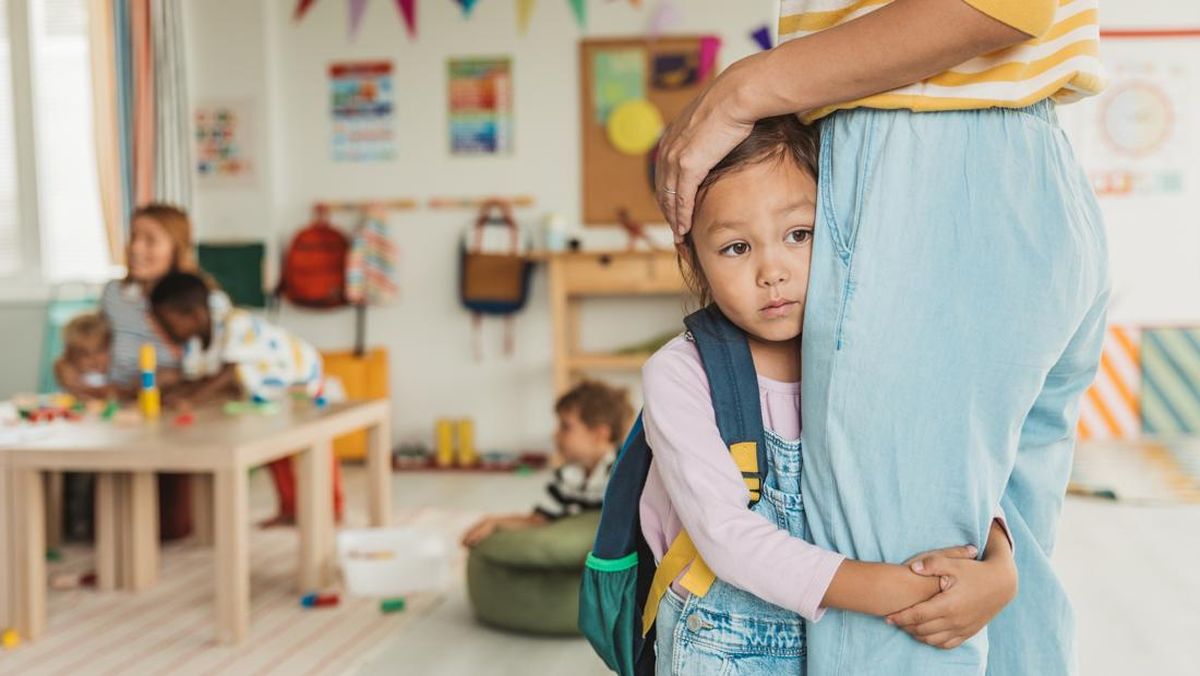
Navigating the emotional rollercoaster of a child experiencing intense fear or distress when parting ways with their primary caregivers is a universal challenge faced by families worldwide. Often manifesting as sudden weeping, clinging tightly to a parent’s limbs, or outright refusing to enter a classroom or be left with a caregiver, this phenomenon is a deeply rooted developmental milestone. While these emotional outbursts can be draining and overwhelming for parents, child development experts emphasize that such reactions are a normal, expected phase in a child’s emotional and cognitive maturation.
Separation anxiety typically emerges as infants and toddlers begin to cognitively grasp the concept of object permanence and individuality. They start to realize that their parents possess an independent existence, meaning caregivers can leave their immediate physical space and may not always be readily available to fulfill their immediate needs. Rather than labeling a child as overly dependent or "spoiled," pediatric psychologists urge parents to view these moments through a lens of empathy. Helping a child navigate these intense feelings requires patience, consistency, and a gradual approach that reassures them of their ultimate safety without eroding their growing independence.
The Developmental Roots of Separation Anxiety
According to psychological research highlighted by outlets such as Psychology Today, human infants are biologically wired to seek proximity to the adults who provide sustenance, shelter, and security. From the earliest months of life, a child learns that the primary caregiver is the ultimate source of emotional and physical regulation. This deep-seated attachment forms the foundation of healthy psychological development, making the parent a safe haven from which the child eventually learns to explore the outside world.
However, as a child’s cognitive abilities expand—typically between the ages of eight months and three years, though it can recur during major life transitions like starting school—they develop a more sophisticated awareness of absence. The realization that a parent can disappear from sight triggers primal fears of abandonment or vulnerability. This psychological state, formally recognized as separation anxiety, varies significantly in intensity from one child to another. While some children may simply whimper softly, others experience full-blown panic attacks characterized by screaming, hyperventilating, and physical resistance.
Understanding that this anxiety is driven by a lack of emotional permanence rather than behavioral defiance allows parents to respond with constructive strategies rather than frustration. Experts note that when parents react with anger or impatience, they risk inadvertently amplifying the child’s fear, cementing the association between separation and emotional distress.
Actionable Strategies for Parents and Caregivers
Addressing separation anxiety effectively requires a deliberate shift in parental behavior and preparation. Child development specialists and pediatricians recommend a structured framework to help children build emotional resilience and confidence during transitional moments.
-
Strategic and Transparent Preparation
One of the most common pitfalls parents fall into is attempting a "stealth exit"—sneaking away while the child is distracted in hopes of avoiding a tearful scene. While this may spare the parent immediate emotional discomfort, it severely damages the child’s trust. When a child turns around and discovers their caregiver has vanished without warning, their sense of security is shattered, leading to heightened anxiety during future separations.
Instead, parents should provide a calm, straightforward explanation well before the departure. Using simple, reassuring language to explain where they are going and why helps demystify the process. Furthermore, framing the separation around an upcoming positive activity—such as playing with peers, engaging in art projects, or enjoying a specific snack—helps direct the child’s focus toward rewarding experiences rather than the parting itself. -
Establishing Brief and Consistent Parting Rituals
Prolonged farewells often backfire, serving only to stretch out the agony for both the child and the parent. Lingering at the door, repeatedly returning to offer extra hugs, or showing visible hesitation signals to the child that the situation truly is dangerous or uncertain.
Establishing a predictable, concise goodbye ritual creates a comforting boundary. Whether it involves a specific handshake, a dual kiss on the cheek, or a specialized parting phrase, consistency is key. Once the ritual is complete, the parent must execute a clean and confident departure. Trusting the teachers or caregivers on-site to handle the immediate aftermath of the tears is crucial, as children frequently settle down within minutes of the parent’s departure. -
Translating Abstract Time into Concrete Concepts
Young children possess a notoriously undeveloped understanding of conventional time. Telling a toddler, "I will be back at four o’clock," is entirely meaningless to them and can exacerbate their feelings of helplessness.
To combat this, parents must anchor time to tangible daily events within the child’s daily routine. Phrasing returns around predictable milestones—such as "Mom will pick you up right after your afternoon nap," or "Dad will be here as soon as you finish your lunch"—provides a mental timeline that the child can easily visualize and anticipate. Crucially, parents must strictly honor these markers; repeatedly failing to return when promised severely erodes the child’s developing trust. -
Validating Emotions Through Empathetic Listening
Minimizing a child’s fear by telling them not to cry or dismissing their feelings as silly invalidates their emotional reality. Instead, parents should acknowledge the distress while holding a firm boundary.
A calm, empathetic statement such as, "I know it feels hard right now to say goodbye, and it is okay to feel sad, but I promise I will be back," validates the emotion without validating the panic. Maintaining a serene, optimistic demeanor is vital. Children are acute emotional barometers; if they sense underlying guilt, panic, or anxiety in their parents, they internalize those emotions as proof that the environment is unsafe. -
Gradual Exposure and Desensitization
Overcoming separation anxiety is rarely an overnight success; it demands a process of gradual desensitization. Parents can begin by orchestrating short, low-stakes separations, leaving the child in the care of a trusted relative, family friend, or familiar babysitter for brief intervals.
As the child demonstrates increased mastery over their anxiety, the duration and distance of the separations can be incrementally increased. Additionally, parents must turn a critical eye inward to evaluate their own emotional readiness. If a parent struggles with chronic separation guilt or prolongs departures indefinitely, the child quickly perceives this vulnerability, interpreting the separation as a genuine crisis.
Broader Implications and When to Seek Professional Guidance
While typical separation anxiety is a normal phase that most children successfully outgrow as they develop greater independence and social competence, chronic or extreme anxiety warrants professional attention. When separation distress persists well past early childhood, intensifies over time, or begins to severely disrupt family life, academic performance, or social development, it may cross the threshold into a clinical condition known as Separation Anxiety Disorder (SAD).
Clinical manifestations of SAD often extend beyond simple tantrums during drop-off routines. Affected children may experience persistent, excessive fear about losing their parents to catastrophic events, suffer from recurrent nightmares themed around separation, or develop physical symptoms such as chronic headaches, stomachaches, or nausea specifically triggered by the prospect of being away from home.
In such scenarios, early intervention by pediatricians, child psychologists, or licensed mental health professionals is essential. Therapeutic approaches, such as Cognitive Behavioral Therapy (CBT) tailored for children, family counseling, and parent-training programs, provide families with the specialized tools needed to untangle deep-seated anxiety patterns. By addressing these challenges proactively with empathy, structure, and professional guidance when necessary, parents can help their children transform the daunting hurdle of separation into a stepping stone toward lifelong resilience and emotional autonomy.