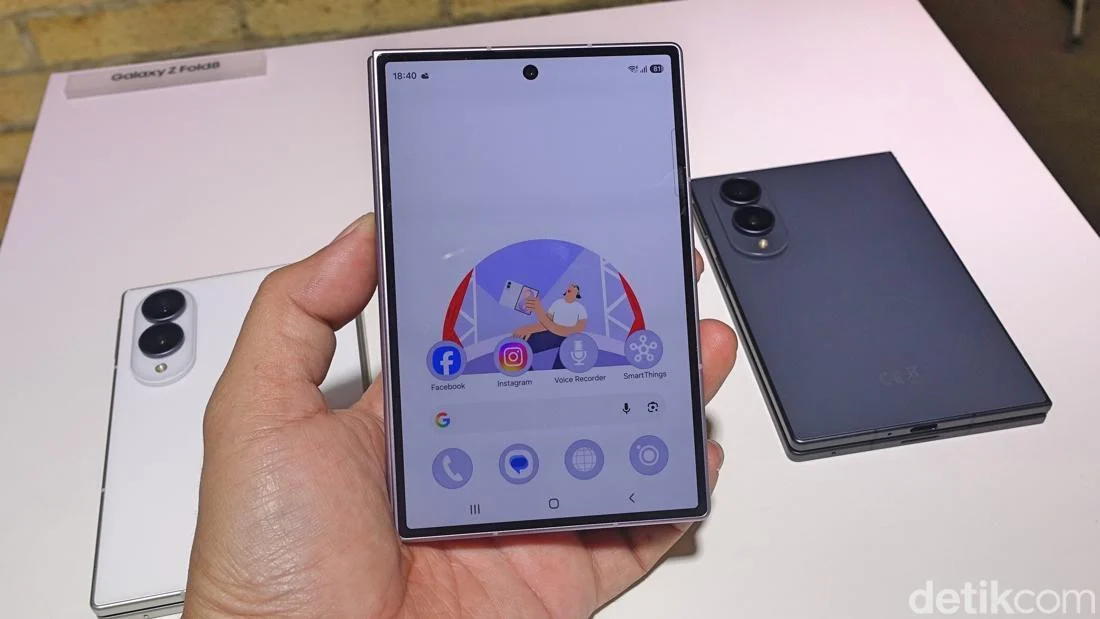
The narrative surrounding foldable smartphones has long been dominated by skepticism regarding battery longevity, with critics frequently citing the power-hungry nature of large, dual-screen displays as a primary deterrent for professional users. However, the introduction of the Samsung Galaxy Z Fold8 marks a definitive shift in this paradigm. By integrating a substantial 4,800 mAh battery and upgrading to 45W fast-charging technology, Samsung is systematically dismantling the long-standing stigma that foldable devices are inherently synonymous with poor battery endurance. This evolution represents more than just a spec-sheet improvement; it is a strategic engineering milestone that addresses the core requirements of mobile professionals who demand reliability alongside cutting-edge innovation.
A Chronology of Foldable Battery Evolution
To understand the magnitude of the Galaxy Z Fold8’s achievement, one must look at the historical trajectory of the Galaxy Z Fold series since its debut in 2019. In the early iterations, Samsung faced significant constraints regarding space management within the chassis, which often limited battery capacity. As the technology matured, the company refined its internal architecture to accommodate larger power cells without sacrificing the slim profile that defines the series.
The transition from the Galaxy Z Fold7, which housed a 4,400 mAh battery, to the current 4,800 mAh capacity in the Fold8 signifies a 9% increase in energy density. This progress was not merely a matter of inserting a larger battery; it required a complete overhaul of the device’s internal components. Samsung’s engineering team successfully reduced the total device weight from 253 grams in previous generations to a mere 201 grams. This reduction was achieved through the optimization of the hinge mechanism and the streamlining of internal layouts, proving that hardware efficiency and increased capacity can coexist.
Comparative Analysis: Fold7 vs. Fold8
The technical advancements in the Galaxy Z Fold8 are best illustrated through a direct comparison with its predecessor. While the Galaxy Z Fold7 was limited to 25W wired charging, the Galaxy Z Fold8 introduces 45W fast-charging capabilities. The impact of this shift on user experience is profound. Internal testing conducted by Samsung indicates that the Fold8 can reach a 63% charge in just 30 minutes, whereas the Fold7 struggled to reach 50% in the same timeframe using its 25W limit.
Furthermore, the integration of the Snapdragon 8 Elite Gen 5 for Galaxy chipset plays a pivotal role in power management. This processor is optimized for thermal efficiency and AI-driven background process management, which significantly lowers the idle power consumption of the device. Consequently, Samsung claims an improved video playback endurance of up to 26 hours, a noticeable improvement over the 24-hour mark established by the previous generation.
Data-Driven Performance Metrics
| Feature | Samsung Galaxy Z Fold8 | Samsung Galaxy Z Fold7 |
|---|---|---|
| Battery Capacity | 4,800 mAh | 4,400 mAh |
| Wired Charging | 45W | 25W |
| 30-Minute Charge | Up to 63% | Up to 50% |
| Wireless Charging | 20W Fast Wireless | Fast Wireless 2.0 |
| Video Playback | Up to 26 Hours | Up to 24 Hours |
These metrics serve as the foundation for the device’s market positioning. While laboratory results provide a baseline, they reflect the rigorous standards to which Samsung holds its flagship series. The inclusion of 20W Fast Wireless Charging and Wireless PowerShare further cements the Fold8 as a hub for mobile productivity, allowing users to reverse-charge peripherals like earbuds or smartwatches on the go.
Engineering Challenges and Structural Innovations
The challenge of engineering a foldable device involves a delicate balance between screen size, battery weight, and heat dissipation. The Galaxy Z Fold8’s 201-gram weight is a result of years of material science research. By utilizing advanced carbon-fiber-reinforced polymers and optimized metal alloys in the hinge, Samsung has managed to create a device that feels lighter in the hand despite containing a larger power reservoir.
This structural integrity is essential for the longevity of the battery. Large, foldable devices are prone to heat concentration, which can degrade battery health over time. By distributing the battery cells across the two halves of the device, Samsung ensures more efficient thermal management, which in turn preserves the lithium-ion lifespan and maintains peak performance throughout the device’s lifecycle.
The Role of Software in Power Management
Beyond the hardware, software optimization remains a critical pillar of the Galaxy Z Fold8’s efficiency. The One UI interface, paired with the Snapdragon 8 Elite, employs adaptive refresh rates and intelligent background app management. When the user is utilizing the cover screen for quick tasks such as messaging, checking emails, or navigating, the system restricts power consumption to the primary, smaller display.
This strategic use of the cover screen is a core recommendation from Samsung’s technical guides for users. By reserving the expansive internal display for high-intensity tasks like video editing, multi-window multitasking, or high-end gaming, users can significantly extend their device’s operational duration. The software’s ability to transition seamlessly between these states without power-intensive reloads is a testament to the synergy between the new chipset and the operating system.
Addressing the "Foldable Power Myth"
A pervasive myth in the tech community suggests that foldable phones are inherently less capable of surviving a full day of usage. The Galaxy Z Fold8 effectively counters this through its "balanced performance" approach. The reality is that for the vast majority of professional workflows, the device provides enough overhead to last a standard business day. The 4,800 mAh capacity is strategically matched with power-efficient hardware to ensure that the device remains a tool for productivity rather than a source of anxiety for the user.
However, consumers must remain aware of the variables that influence actual battery life. Network signal strength, display brightness, and the frequency of 5G usage remain the primary variables that can deviate from official laboratory claims. In environments with poor signal, the modem works harder to maintain a connection, which can draw significantly more power regardless of the battery’s raw capacity.
Implications for the Mobile Market
The trajectory of the Galaxy Z Fold8 suggests that the foldable segment is reaching a level of maturity comparable to traditional flagship smartphones. As battery technology reaches a plateau in terms of raw size due to physical constraints, the focus of the industry is shifting toward charging speed and power efficiency. Samsung’s move to 45W charging in the foldable segment signals to competitors that foldable devices are no longer "secondary" gadgets but are intended to be primary, high-performance daily drivers.
For business users, the ability to rapidly recharge a device during a short transit or a quick lunch break—gaining over 60% power in 30 minutes—is a transformative feature. It reduces the necessity of carrying external power banks, thereby simplifying the mobile workspace. This efficiency is critical for the adoption of foldable devices in enterprise environments, where downtime is synonymous with lost productivity.
Future Outlook and User Best Practices
Looking ahead, the integration of AI will likely play an even larger role in battery management. Future iterations of the Galaxy Z series are expected to utilize predictive AI models to analyze user habits and pre-emptively manage background processes, further extending battery life without user intervention.
For current owners of the Galaxy Z Fold8, maintaining battery health involves a few standard industry practices:
- Utilization of Adaptive Brightness: Leveraging the device’s ambient light sensors to keep display output at the minimum necessary level.
- Optimized App Management: Disabling background refresh for non-essential applications to minimize idle drain.
- Strategic Charging: Utilizing the 45W charging capability when needed, while opting for slower charging cycles overnight to mitigate heat stress on the battery cells.
- Leveraging the Cover Screen: Keeping the internal screen usage to active sessions where the larger display provides a clear productivity benefit.
Conclusion: A New Standard for Productivity
The Samsung Galaxy Z Fold8 represents a comprehensive answer to the criticisms leveled against earlier foldable generations. By successfully increasing battery capacity, enhancing charging speeds, and reducing overall weight, Samsung has addressed the most common pain points for power users. While the debate regarding battery life will always be tethered to individual usage patterns, the technical improvements within the Fold8 clearly demonstrate that the foldable form factor is no longer a compromise. It is an optimized platform designed for those who require the versatility of a tablet and the portability of a smartphone, all while maintaining the power to last throughout a demanding day of work and play. As the foldable market continues to evolve, the Galaxy Z Fold8 serves as a benchmark for what is possible when hardware innovation is aligned with the practical needs of the modern, mobile-first consumer.