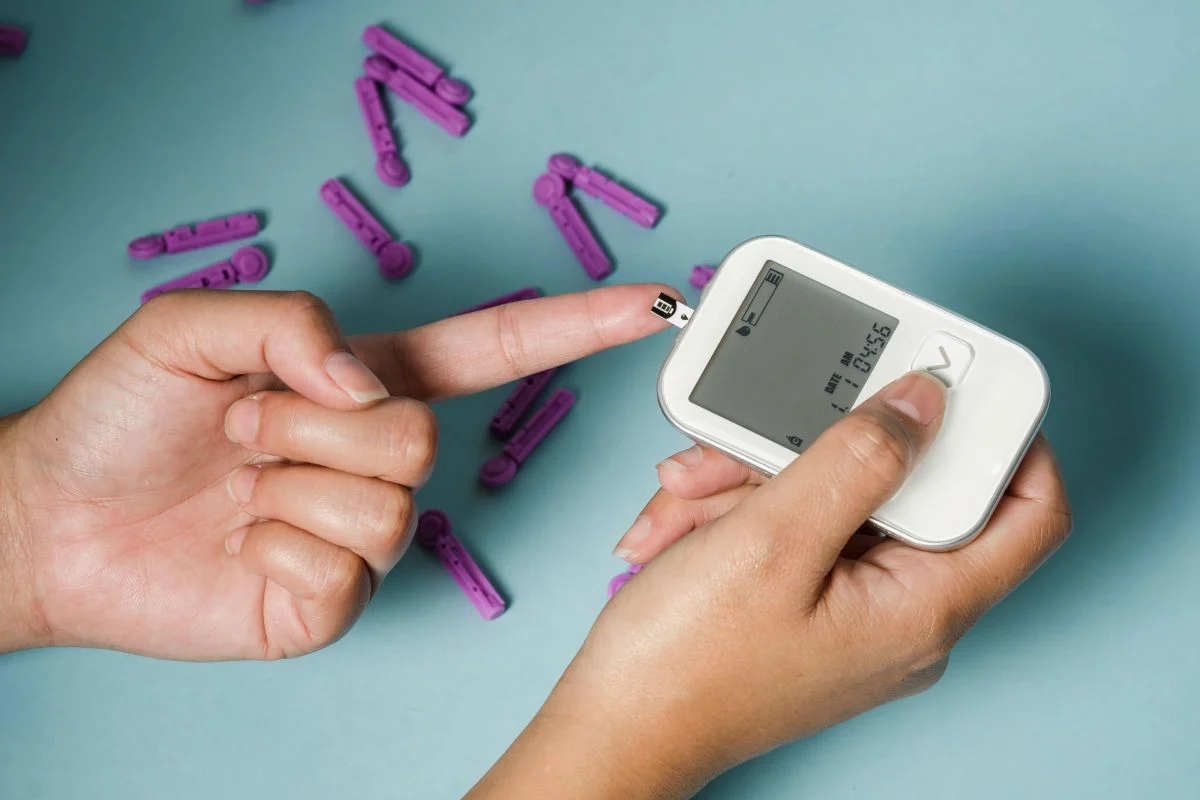
High cholesterol, often referred to as a "silent killer," remains one of the most significant yet preventable drivers of cardiovascular disease worldwide. Characterized by a lack of overt symptoms in its early stages, elevated cholesterol levels—specifically low-density lipoprotein (LDL)—frequently go undetected until a catastrophic event, such as a stroke, occurs. As global health authorities continue to refine their clinical guidelines, the necessity of understanding the intricate relationship between lipid metabolism and cerebrovascular health has never been more urgent.
The Global Burden of Stroke and Lipid Dysregulation
The scale of the crisis is profound. Data from the World Health Organization (WHO) updated in late 2025 highlights that approximately 11.9 million new stroke cases were recorded globally in 2021. This figure underscores the devastating impact of stroke, which occurs when the blood supply to the brain is interrupted—either by a blockage (ischemic stroke) or the rupture of a blood vessel (hemorrhagic stroke). When brain cells are deprived of oxygen and essential nutrients, they begin to die within minutes, leading to permanent neurological deficit, long-term disability, or death.
In the current medical landscape, the WHO has formally categorized high LDL cholesterol as a modifiable risk factor. Unlike genetic predispositions that remain beyond an individual’s immediate control, cholesterol levels are susceptible to intervention through diet, exercise, and pharmacological therapy. The classification of cholesterol as a "modifiable risk factor" is a call to action for public health systems to prioritize early screening and aggressive management of lipid profiles in adult populations.
The Pathophysiology: How Cholesterol Disrupts Vascular Integrity
To understand why cholesterol is so dangerous, one must examine the molecular biology of the cardiovascular system. Cholesterol is an essential sterol required for cell membrane integrity and the synthesis of steroid hormones and bile acids. However, the body’s homeostatic balance is fragile. When LDL—the "bad" cholesterol—circulates in excess, it infiltrates the tunica intima, the innermost layer of the arterial walls.
Over time, this accumulation triggers an inflammatory response. The immune system recruits macrophages to consume the oxidized LDL, turning them into "foam cells." These cells die and contribute to the formation of a fatty streak, which eventually matures into a stable or unstable fibrous plaque. This process, known as atherosclerosis, is the silent architect of vascular narrowing.
The mechanism of stroke induction occurs when these plaques become unstable. If a plaque ruptures, the body initiates a rapid clotting response, potentially creating a thrombus (blood clot) that can occlude the artery entirely. If this occlusion occurs in the carotid or cerebral arteries, the flow of oxygenated blood to the brain is severed. The resulting ischemia initiates a cascade of cellular death that, if not reversed by rapid reperfusion therapies, results in permanent brain injury.
Decoding the Lipid Profile: LDL, HDL, and Trigliserides
A comprehensive lipid profile is essential for clinical risk assessment, as total cholesterol figures often mask dangerous imbalances.
- LDL (Low-Density Lipoprotein): Often termed the primary villain, LDL transports cholesterol to cells. When levels exceed the vascular capacity to clear them, arterial walls become the dumping ground for excess fat, facilitating plaque growth.
- HDL (High-Density Lipoprotein): Known as the "good" cholesterol, HDL acts as a biological scavenger. It collects excess cholesterol from peripheral tissues and transports it back to the liver for excretion or recycling. High levels of HDL are generally associated with a lower cardiovascular risk, though they do not offer absolute immunity against other systemic factors.
- Triglycerides: These are the most common type of fat in the body, derived from calories consumed but not immediately utilized. High levels of triglycerides, particularly when coupled with low HDL and high LDL, indicate a metabolic syndrome that significantly accelerates atherosclerosis.
Medical professionals caution that relying solely on total cholesterol numbers is an antiquated practice. The modern standard requires an analysis of the ratio between these components to determine the true "atherogenic index" of a patient.
The Cumulative Risk Model: Why Cholesterol is Rarely Alone
It is a common misconception that cholesterol is the sole determinant of stroke risk. In reality, stroke is the result of a multifactorial assault on the vascular system. The interplay between high LDL and other comorbidities is what creates a high-risk profile.
- Hypertension (High Blood Pressure): Chronic high pressure damages the arterial lining, making it easier for LDL to penetrate and adhere to the walls.
- Diabetes Mellitus: Elevated blood sugar damages the endothelium (the inner lining of the blood vessels) and increases the likelihood of plaque calcification.
- Smoking: Tobacco smoke introduces carbon monoxide, which displaces oxygen in the blood and accelerates the oxidative damage to arterial walls, directly compounding the risks posed by high cholesterol.
- Sedentary Lifestyle: A lack of physical activity reduces the efficiency of the body’s metabolic processes, leading to lower HDL production and higher weight, which further taxes the cardiovascular system.
Patients with multiple risk factors are not merely at "higher" risk; they are at an exponentially increased risk of ischemic events. The synergy between high LDL and hypertension, for instance, can reduce the time-to-event interval by decades.
Strategic Interventions: Managing Risk in the Modern Era
Reducing the risk of stroke through cholesterol management involves a dual approach: lifestyle modification and, when necessary, clinical intervention.
Nutritional Optimization
The "Mediterranean" and "DASH" diets remain the gold standard in lipid management. By increasing the intake of soluble fiber (found in oats, legumes, and fruits), healthy fats (monounsaturated fats found in olive oil and nuts), and lean proteins (fish rich in omega-3 fatty acids), patients can naturally lower their LDL levels. Simultaneously, the drastic reduction of trans-fats—found in many processed foods—is vital, as these fats not only raise LDL but actively suppress HDL.
Physical Activity as Medicine
The WHO recommends 150–300 minutes of moderate-intensity aerobic activity per week. This is not merely for weight control; exercise induces structural changes in the blood vessels, improving endothelial function and increasing the body’s natural capacity to metabolize lipids.
Pharmacological Stewardship
For patients who cannot reach target lipid levels through lifestyle changes alone, statins and other lipid-lowering agents remain the cornerstone of preventative medicine. Statin therapy works by inhibiting the enzyme HMG-CoA reductase in the liver, which is the rate-limiting step in cholesterol production.
However, medical experts emphasize that pharmacotherapy is not a substitute for a healthy lifestyle. Adherence to medication must be monitored by a physician to adjust for side effects and to ensure that the patient’s overall cardiovascular risk profile—including blood pressure and glucose levels—is being managed in tandem.
Clinical Warning Signs and the Urgency of Response
Despite the silent nature of cholesterol, the actual event—a stroke—is usually sudden. Awareness of the acronym "FAST" (Face drooping, Arm weakness, Speech difficulty, Time to call emergency services) is critical. Because time is brain tissue, the delay between the onset of symptoms and the arrival at a stroke-ready facility is the most significant determinant of patient outcomes.
In the aftermath of a stroke, patients are often placed on intensive secondary prevention regimens. These include high-intensity statin therapy, antiplatelet medication, and strict lifestyle monitoring. The goal is to stabilize the vascular system and prevent a secondary, often more severe, stroke.
Implications for Public Health Policy
The increasing prevalence of stroke globally suggests that existing public health initiatives are struggling to keep pace with lifestyle-driven metabolic diseases. Moving forward, the integration of routine lipid screening into primary healthcare at a younger age is essential. Many health systems are now advocating for lipid panels to begin in the early 30s, or even earlier for those with a family history of premature cardiovascular disease.
Furthermore, the "silent" nature of high cholesterol necessitates a shift in health communication. Public health campaigns must move away from fear-based messaging toward a data-driven, proactive model that encourages individuals to view cholesterol levels as a "vital sign" alongside blood pressure and pulse.
Conclusion
The connection between high cholesterol and stroke is a clear, evidence-based pathway that can be interrupted through informed, consistent action. While the medical community continues to develop more advanced pharmacological solutions, the primary defense remains the individual’s commitment to routine testing and the mitigation of secondary risk factors.
By transitioning from a reactive approach—treating a stroke after it occurs—to a proactive strategy of maintaining optimal lipid levels throughout adulthood, millions of lives could be saved. The science is definitive: controlling cholesterol is not just about lowering a number on a lab report; it is about securing the structural integrity of the vessels that supply the brain, thereby protecting one’s cognitive and physical future.