South Korea has ascended to the pinnacle of global tourism destinations, driven significantly by the "Hallyu" or Korean Wave phenomenon that has captivated international audiences through television dramas, music, and cinema. For travelers, particularly those from Southeast Asia, the allure of the peninsula lies in its seamless blend of hyper-modern urban landscapes and carefully preserved historical narratives. As tourism figures continue to rebound post-pandemic, the South Korean Ministry of Culture, Sports and Tourism has noted a sustained interest in "location-based tourism," where visitors prioritize sites featured in popular media. This shift has transformed several neighborhoods and landmarks into essential pilgrimage sites for international tourists seeking to immerse themselves in the aesthetic of their favorite television productions.
The Rise of Media-Driven Tourism in South Korea
The intersection of entertainment media and travel infrastructure has become a cornerstone of the South Korean economy. According to data from the Korea Tourism Organization (KTO), international visitor arrivals have consistently cited film and drama locations as primary motivators for their travel plans. This trend is not merely anecdotal; the KTO has actively integrated these filming locations into national tourism marketing campaigns to boost regional economies.
The strategy is simple: by capitalizing on the visual storytelling of K-dramas, the government provides a tangible connection between the screen and reality. This approach has led to a significant increase in foot traffic in areas that were previously considered local secrets. However, this influx of tourism brings with it the challenge of balancing the preservation of local residential atmospheres with the increasing demands of global travelers.
Geonbae and the Evolution of Urban Nightlife
Geonbae, a vibrant corridor synonymous with the energetic nightlife of Seoul, represents the quintessential metropolitan experience. Characterized by its dense cluster of bars, bistros, and social hubs, the area serves as a mirror to the fast-paced, high-stress, yet highly rewarding lifestyle often depicted in contemporary Korean dramas.
From a socioeconomic perspective, districts like Geonbae are vital to the local hospitality sector. The concentration of nightlife establishments generates high tax revenues and supports a vast ecosystem of service-industry workers. For the average tourist, the area offers a visceral look at the "after-work" culture of Seoul, where the social ritual of sharing a meal and a drink—known as hoesik—serves as a primary mechanism for community building.
The popularity of such districts among foreign visitors has led to an evolution in service standards. Many establishments in these hubs now provide multilingual menus and accommodate international payment systems, signaling a shift toward a more globally accessible tourism infrastructure. While some critics argue that such popularity leads to the gentrification of traditional neighborhoods, the economic impact on the local service industry remains overwhelmingly positive.

Daehakro: The Epicenter of Performing Arts
Often referred to as the Broadway of Seoul, Daehakro is a 1.6-kilometer stretch that serves as the heartbeat of Korea’s vibrant independent theater scene. Located in the Jongno-gu district, this area is home to over 100 small-to-medium-sized theaters. Unlike the large-scale musical productions found in the West, Daehakro is defined by its intimacy, offering a diverse array of plays, musicals, and experimental performances that rotate on a weekly basis.
Historically, the area was the site of the Seoul National University’s College of Liberal Arts and Sciences, which gave the street its name—"Daehakro" translates to "University Street." Following the university’s relocation in the 1970s, the area transformed into a cultural hub. Today, it remains an essential destination for those interested in the authentic artistic expression of modern Korea.
Tourism experts suggest that visiting Daehakro offers a more profound insight into Korean society than standard sightseeing. The performances here often grapple with contemporary social issues, romantic tropes, and historical dilemmas, providing a mirror to the society that produces the dramas seen abroad. For the discerning traveler, a night at a Daehakro theater provides an unfiltered view of local creative energy.
Starfield Library: Architecture as a Tourist Commodity
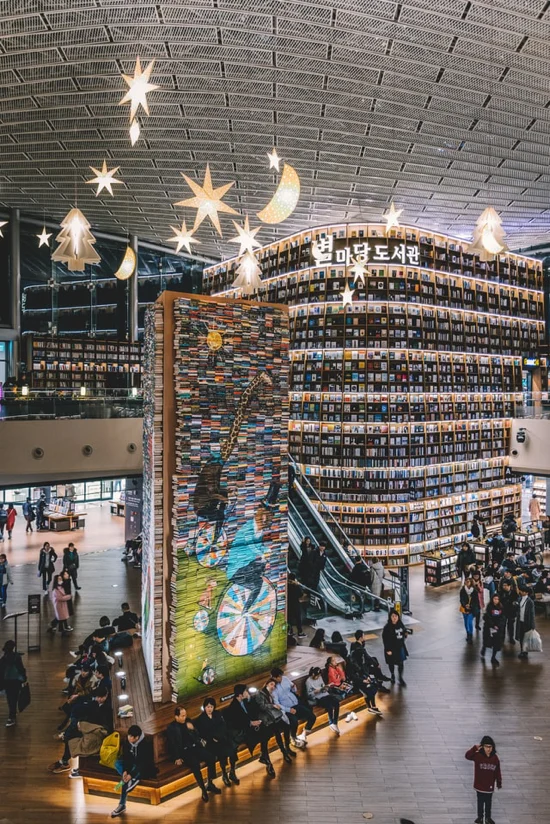
Perhaps no single site better illustrates the intersection of modern architecture and social media aesthetics than the Starfield Library, located in the heart of the COEX Mall in Gangnam. Opened in 2017, the library features a massive, open-concept design with book towers reaching 13 meters in height. It has since become a global landmark, largely due to its frequent appearances in television dramas and its status as a photogenic "Instagrammable" spot.
Beyond its aesthetic appeal, the Starfield Library is a testament to the democratization of information. Housing over 50,000 books, the library is open to the public free of charge. The inclusion of digital archives, historical memoirs, and a wide array of international literature highlights the importance of literacy in Korean culture.
However, the library also serves as a case study for modern urban planning. By integrating a cultural space into a commercial shopping mall, developers have successfully created a "third space" that encourages foot traffic, increases the dwell time of shoppers, and elevates the status of the mall from a mere retail outlet to a cultural destination. The success of the Starfield Library has prompted other cities in South Korea to explore similar "cultural-commercial" integration models in their own urban development projects.
Chronology of Tourism Development
The transformation of these sites into global attractions did not happen in a vacuum. The timeline of their development is closely linked to the global expansion of Korean media:

- Late 1990s: The "Hallyu" wave begins in East Asia, marking the first wave of interest in Korean media.
- 2003–2005: The massive international success of dramas such as Winter Sonata leads to the first wave of location-based tourism, primarily in Nami Island and Seoul.
- 2010s: The proliferation of social media platforms like Instagram creates a demand for visually striking locations, leading to the rapid rise of spots like the Starfield Library.
- 2020–Present: Government-led initiatives and the global accessibility of streaming platforms solidify these locations as permanent fixtures on international travel itineraries.
The Broader Impact and Implications
The economic benefits of this tourism boom are significant. According to the Bank of Korea, the tourism industry accounts for a growing percentage of the nation’s service exports. Furthermore, the "halo effect"—where tourists who visit for the scenery stay to consume local food, beauty products, and fashion—has a multiplier effect on the national economy.
However, there are systemic challenges. The heavy concentration of tourists in specific districts can lead to infrastructure strain, noise complaints, and the displacement of local businesses. To mitigate this, the Seoul Metropolitan Government has begun promoting "secondary" tourism spots, encouraging visitors to explore neighborhoods beyond the traditional hotspots.
Moreover, the sustainability of this model depends on the continued global appetite for Korean content. Should the trend in media consumption shift, the tourism sector will need to pivot from "celebrity-driven" sites to "culture-driven" experiences to maintain visitor numbers. This shift is already visible, as more travelers are seeking out "hidden gems" and authentic, non-scripted experiences, such as local markets, traditional tea houses, and regional craft workshops.
Future Outlook for Visitors
For those planning a trip to South Korea, the landscape is one of constant change. While the iconic locations such as the Starfield Library or the nightlife of Geonbae provide a familiar entry point, the true value of visiting Korea lies in the exploration of the city’s layers. From the silent, disciplined quiet of a library to the chaotic, joyous energy of a street performance in Daehakro, South Korea offers a multifaceted experience that transcends the screen.
Travelers are encouraged to look beyond the immediate visual appeal of these sites and engage with the underlying culture. Whether it is by navigating the complex subway system, participating in a local festival, or simply observing the daily routines of Seoul residents, the depth of the Korean experience is found in the everyday. As South Korea continues to refine its tourism strategy, the emphasis will likely move toward sustainable, high-value experiences that benefit both the visitor and the local community, ensuring that the country remains a premier destination for years to come.