The automotive industry is currently navigating its most significant transformation since the invention of the assembly line: a fundamental shift from internal combustion engines (ICE) toward electric vehicle (EV) technology. This transition represents more than a mere evolution in consumer preference; it is a calculated response to the global climate crisis, a strategic maneuver to bolster national energy independence, and an industrial pivot toward sustainable economic growth. As nations scramble to meet the net-zero targets established by the Paris Agreement, the electrification of the transport sector has emerged as the most viable path toward decarbonizing global mobility.
The Environmental Paradox: Assessing the Carbon Footprint
A common point of contention in the public discourse surrounding electric vehicles is the environmental impact of battery production. Critics frequently point to the intensive mining processes required for lithium, cobalt, and nickel as evidence that EVs are not truly "green." However, current life-cycle assessments provide a more nuanced perspective.
While it is true that the manufacturing process of an EV—specifically the production of high-capacity lithium-ion batteries—generates a significantly higher initial carbon debt compared to the manufacturing of a traditional gasoline-powered vehicle, the narrative changes rapidly during the operational phase. Data from various climate research institutes indicates that this "carbon debt" is typically amortized within one to three years of real-world usage. Once this threshold is crossed, the EV begins to generate a net-positive environmental impact.
Unlike ICE vehicles, which continue to emit greenhouse gases throughout their entire operational life, EVs offer a path to zero-tailpipe emissions. As national power grids transition toward renewable sources such as wind, solar, and geothermal energy, the operational carbon footprint of an EV continues to shrink, creating a virtuous cycle that traditional fossil-fuel vehicles can never replicate.
Chronology of the EV Revolution
The shift toward electrification was not instantaneous; it has been the result of decades of research and a recent, rapid acceleration of investment.
- The Early 2000s: The emergence of high-density lithium-ion technology shifted EVs from experimental prototypes to functional, albeit niche, commuter vehicles.
- 2010–2015: The entry of mass-market manufacturers and the establishment of "Gigafactories" began to drive down the cost of battery packs, which had previously accounted for nearly 40% of the total vehicle cost.
- 2016–2020: Policy intervention became the primary driver. Nations began announcing future bans on the sale of new ICE vehicles, pushing manufacturers to pivot their Research and Development (R&D) budgets away from combustion engines.
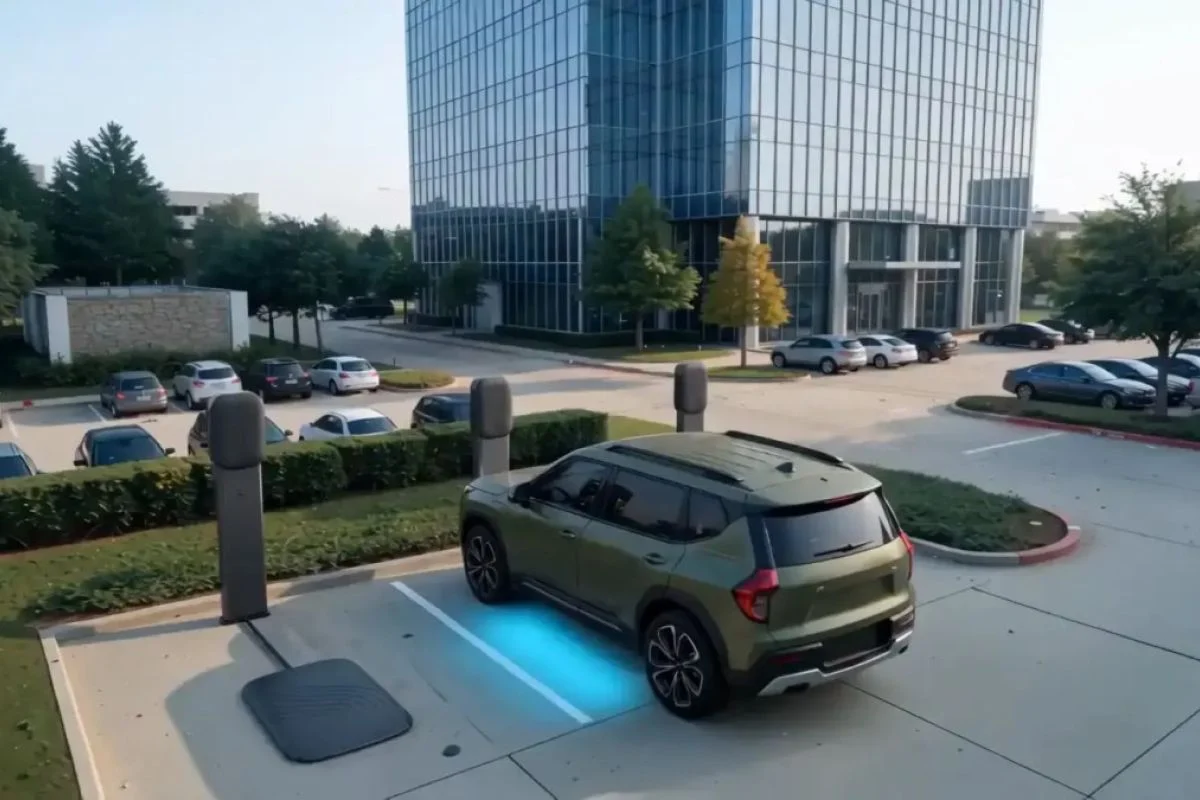
- 2021–Present: The focus has shifted from mere existence to infrastructure integration. Innovations such as wireless charging, battery swapping, and vehicle-to-grid (V2G) technology are now the primary focus for industry leaders like Honda, BYD, and Stellantis, signaling that the industry is maturing from early adoption to mass-market integration.
Energy Security: A Strategic National Priority
Beyond environmental concerns, the transition to electric mobility is a critical component of national energy security. Many developing and industrialized nations alike are heavily dependent on imported petroleum to power their transport sectors. This reliance creates a vulnerability to global supply chain disruptions, geopolitical volatility, and fluctuating commodity prices.
Electrification allows countries to diversify their energy sources. By shifting the energy burden from liquid fuels—which must be imported and refined—to a diverse national grid, governments can gain greater control over their energy future. Experts in energy policy argue that electrification is vastly superior to the biofuel model. While biofuels were once touted as a solution, they compete with food production for land and water resources. In contrast, EVs can be powered by any energy source integrated into the grid, including domestic renewable projects, thereby insulating the economy from international oil market shocks.
Economic and Technological Drivers
The rapid adoption of EVs is currently supported by a trifecta of factors: economic efficiency, consumer experience, and government policy.
From an economic standpoint, the "Total Cost of Ownership" (TCO) for an EV is increasingly favorable compared to ICE vehicles. Despite a higher initial purchase price, the lower cost of electricity compared to gasoline, combined with drastically reduced maintenance requirements—EVs have fewer moving parts and do not require oil changes or complex exhaust system maintenance—makes them a more cost-effective choice over a five-to-ten-year horizon.
Furthermore, the driving experience is fundamentally different. The instant torque provided by electric motors offers superior acceleration and a smoother, quieter ride, which has resonated strongly with modern urban commuters. This convenience is being further enhanced by technological leaps. Recent patents, such as those from Stellantis regarding modular battery systems that allow for emergency operation, and ongoing R&D from firms like Honda into wireless inductive charging, are removing the "range anxiety" and "charging inconvenience" that historically plagued the sector.
Industry Perspectives and Global Market Shifts
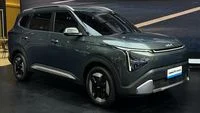
Major global automakers are currently in a race to capture market share in this new landscape. Chinese manufacturer BYD is aggressively testing the limits of the market with small-format, affordable city cars like the "Racco," aiming to democratize EV ownership in emerging markets. Meanwhile, European and North American manufacturers like Xpeng are focusing on the luxury and high-performance segments, such as the G9L, to demonstrate that electric performance can match or exceed that of high-end combustion vehicles.
Official bodies, including the Ministry of Industry (Kemenperin) in various jurisdictions, have noted that the support for this transition is not just about environmental compliance—it is about industrial competitiveness. Countries that fail to build the necessary infrastructure and supply chains for EVs risk being left behind as the global automotive market leaves the internal combustion engine in the past.
Implications and Future Outlook
The trajectory of the automotive industry is clear. The transition to electric vehicles is the most realistic and effective strategy for sustainable, long-term transportation. As battery technology continues to evolve—moving toward solid-state batteries that offer higher density and safety—and as charging infrastructure becomes as ubiquitous as current gas stations, the transition will likely accelerate.
The implications for the broader economy are profound. The shift will require a massive reskilling of the automotive workforce, a transformation of utility grids to handle increased demand, and a new approach to resource management, particularly regarding the recycling of battery materials. However, the costs of inaction—environmental degradation and continued reliance on volatile fossil fuel markets—far outweigh the challenges of this transition.
In conclusion, the rise of the electric vehicle is a multifaceted phenomenon that harmonizes technological innovation with national security and environmental stewardship. By moving away from the limitations of the combustion engine, society is not only choosing a cleaner way to move, but a more resilient way to power the future of global civilization. The synergy of government incentives, corporate innovation, and changing consumer behavior confirms that the era of the electric vehicle is no longer a distant possibility; it is the current reality of the global industrial landscape.