The modern cosmetic market offers an unprecedented variety of lip enhancement products designed to elevate daily beauty routines. From traditional lipsticks and nourishing lip balms to long-wear lip creams, high-shine lip glosses, lightweight lip stains, and glossy vinyl finishes, consumers have access to hundreds of formulations promising vibrant color, extended wear, and flawless application. However, a common and frustrating paradox frequently occurs: instead of achieving a supple, hydrated pout, many users find their lips becoming uncomfortably dry, flaky, and severely chapped. This widespread issue has prompted dermatologists, cosmetic chemists, and beauty enthusiasts to examine the underlying mechanisms of lip care, questioning why products intended to beautify often compromise lip health.
To understand this phenomenon, it is essential to examine the physiological characteristics of the lips. Unlike the skin on the rest of the human body, the skin of the lips is remarkably thin and delicate. It lacks sweat glands and sebaceous (oil) glands, meaning it cannot naturally produce its own protective lipid barrier to retain moisture. Consequently, lips are exceptionally vulnerable to environmental stressors, weather fluctuations, indoor heating, air conditioning, and topical cosmetic formulations. As the cosmetic industry continues to innovate with high-performance, long-lasting products, the demand for formulas that withstand eating, drinking, and daily activities has inadvertently introduced ingredients that challenge the skin’s natural moisture balance.
The Evolution of Lip Cosmetics and Formulation Science
Over the past two decades, the beauty industry has undergone a massive transformation driven by consumer demand for convenience and longevity. The chronology of lip products has evolved rapidly from simple, emollient-rich tinted balms and satin lipsticks to advanced chemical architectures. The introduction of liquid matte lipsticks in the mid-2010s marked a major turning point, prioritizing smudge-proof, transfer-resistant color over hydration. Following this, lip stains and vinyl liquid formulas entered the mainstream, utilizing volatile solvents and film-forming polymers to lock pigments onto the delicate lip surface for hours at a time.
While these innovations successfully solved the problem of frequent touch-ups, they introduced a new set of dermatological challenges. Cosmetic chemists explain that achieving long-wear performance requires a delicate balance of volatile ingredients, silicones, waxes, and pigments. When volatile components evaporate rapidly to set the product, they often strip away residual moisture from the upper epidermal layers of the lips. Understanding the specific formulation categories helps clarify why certain products lead to chronic dryness.
The Primary Culprits: Why Lip Products Cause Dryness
Dermatological and cosmetic research points to several key factors that explain why makeup products can cause lips to dry out, peel, or crack, even when marketed with hydrating claims.
- High Wax and Low Oil Content in Matte and Stain Formulas
Not all lip products are formulated with the same nutritional profile. Traditional lipsticks, matte liquid formulations, and water- or alcohol-based lip stains are explicitly engineered to minimize slip and maximize pigment adherence. To achieve this, manufacturers use a high concentration of structural waxes, such as candelilla, carnauba, or beeswax, alongside minimal amounts of nourishing botanical oils.
While this formulation ensures intense color payoff and prevents feathering, it creates a rigid, occlusive barrier that restricts moisture exchange. Over time, as the product wears down, it draws out the skin’s natural moisture reserves, leaving the lips feeling tight and dehydrated. Experts recommend thoroughly prepping the lips with a rich, nourishing balm and allowing it to absorb completely before layering any high-wax or matte formulations on top. Conversely, products explicitly designed for gloss and moisture, such as hydrating lip glosses and emollient-rich cream lipsticks, generally pose a lower risk of drying because they maintain a higher ratio of nourishing oils and emollients.
- The Humectant Paradox: Hyaluronic Acid and Moisture Evaporation
Ingredients such as hyaluronic acid have become ubiquitous in skincare and lip care formulations due to their exceptional capacity to bind water—holding up to 1,000 times their molecular weight in moisture. However, consumers frequently misunderstand how humectants function in varying environmental conditions.
Hyaluronic acid operates by drawing moisture from its surroundings. When applied in environments with low relative humidity—such as air-conditioned offices, heated indoor spaces, or dry outdoor climates—humectants may pull moisture from the deeper layers of the skin rather than the ambient air. Furthermore, as humectants draw water toward the skin’s surface, that moisture is vulnerable to rapid evaporation if not sealed in properly. Over extended periods of continuous use, this mechanism can paradoxically deplete the skin’s internal hydration reserves, resulting in chronic dryness.
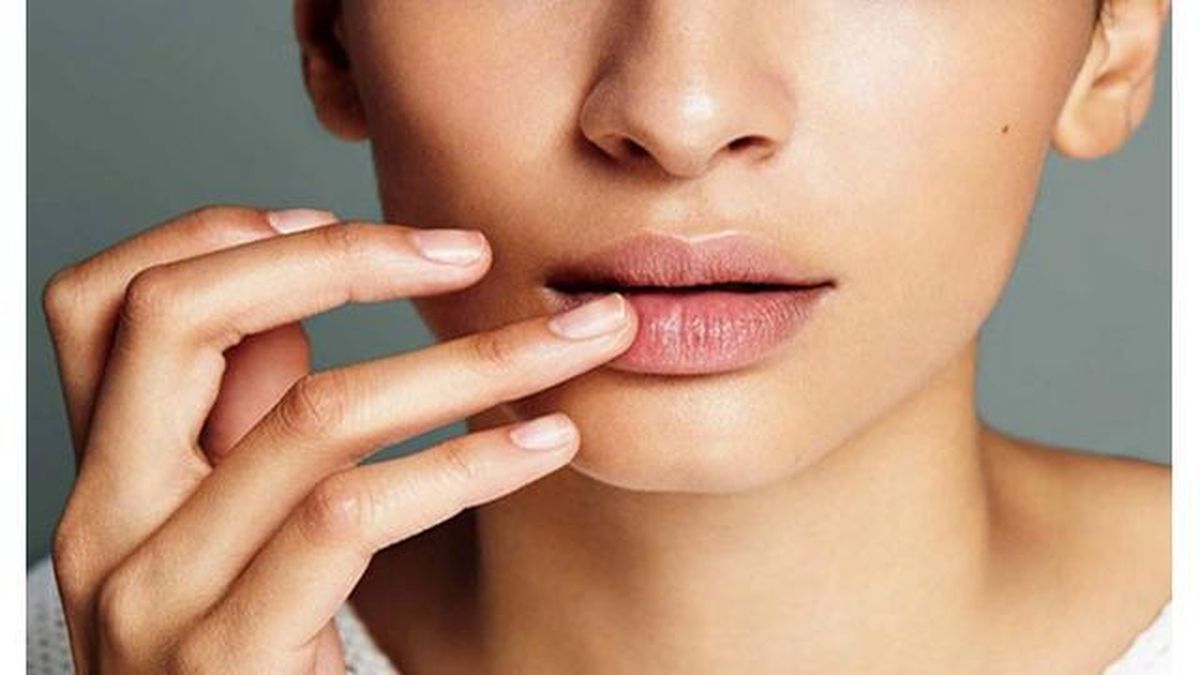
To counteract this effect, dermatologists advise pairing humectant-based lip treatments with occlusive agents. Oclusives, such as petroleum jelly, squalane, or thick botanical butters, form an impenetrable physical barrier over the lips that locks in existing hydration and prevents transepidermal water loss.
- Systemic Dehydration and Environmental Factors
Topical cosmetics rarely act in a vacuum. A significant portion of chronic lip dryness and chapping stems from systemic dehydration. Because the stratum corneum on the lips is exceptionally thin, systemic fluid deficits manifest in the lips far more rapidly than on the face or body.
Medical professionals emphasize that maintaining optimal systemic hydration is a foundational requirement for healthy skin. Consuming an adequate daily intake of fluids—typically recommended between 1.5 to 2 liters of water per day—helps support microcirculation and maintains cellular turgor pressure, keeping the lips naturally plump, soft, and resilient against environmental aggressors. When daily water intake drops, the body prioritizes vital internal organs for hydration, diverting moisture away from peripheral tissues like the lips, skin, and hair.
Dermatological Insights and Expert Recommendations
Leading dermatologists and clinical researchers emphasize that managing lip health requires a proactive, multi-step approach rather than reactive treatment after damage has already occurred. According to clinical studies published in dermatological journals, the delicate mucosal tissue of the lips heals relatively quickly when subjected to the correct therapeutic regimen, but it is equally quick to degenerate under harsh chemical or environmental conditions.
Industry experts recommend adopting a structured lip-care protocol:
- Gentle Exfoliation: Periodically removing dead, flaking skin cells using a soft, damp cloth or a gentle, sugar-based scrub prevents product buildup and ensures smooth application. However, over-exfoliation must be strictly avoided, as aggressive scrubbing damages the delicate skin barrier.
- Layering Strategy: Apply humectant serums or lightweight hydrating essences first, allow them to set briefly, and seal them with a robust occlusive balm before applying any color cosmetics.
- Nighttime Recovery: The body undergoes peak cellular repair during sleep. Utilizing a thick, occlusive ointment or specialized overnight lip mask before bed allows the lips to recover from the drying effects of daytime makeup wear.
Broader Implications for the Cosmetic Industry and Consumers
The tension between long-lasting cosmetic performance and skin health has broader implications for the beauty market. As consumer awareness grows, buyers are increasingly scrutinizing ingredient labels, shifting away from ultra-matte, drying formulas toward hybrid products that promise both high-performance color and active skin-barrier support.
Cosmetic manufacturers are responding to this market shift by reformulating traditional lines. Brands are infusing liquid lipsticks and stains with skincare-grade actives such as ceramides, peptides, squalane, and natural fruit oils to mitigate the drying side effects of long-wear polymers. This convergence of makeup and skincare—often termed "skinification"—reflects a permanent change in consumer expectations. Modern beauty consumers no longer accept sacrificing comfort for longevity; instead, they demand formulations that enhance appearance while actively protecting and nourishing the skin barrier.
Ultimately, achieving a vibrant, healthy, and colorful pout does not require abandoning favorite cosmetic products. By understanding formulation chemistry, recognizing how active ingredients interact with the skin barrier, prioritizing internal hydration, and adopting a balanced daily maintenance routine, consumers can safely enjoy the full spectrum of modern lip innovations without compromising lip health.