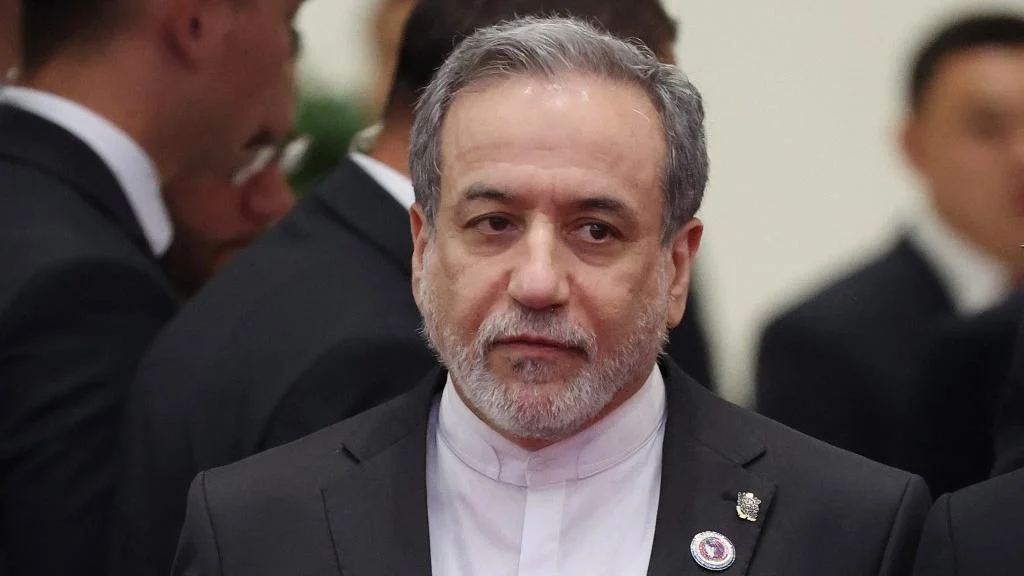
The geopolitical landscape of the Middle East faces renewed friction as high-stakes rhetoric intensifies between Tehran and Tel Aviv, centering on newly surfaced and fiercely contested allegations regarding unconventional weapons programs. Iranian Foreign Minister Abbas Araghchi has firmly rejected recent accusations made by Israeli defense officials claiming that the Islamic Republic is actively developing chemical warfare agents. Tehran has characterized these assertions as a deliberate and calculated fabrication orchestrated by the Israeli government to manipulate Washington into direct military entanglement against Iran.
The war of words underscores a volatile atmosphere already strained by decades of regional rivalry, proxy conflicts, and ongoing disputes over Iran’s nuclear program. While international diplomatic channels struggle to maintain stability, the latest diplomatic confrontation highlights the fragility of deterrence mechanisms currently operating in the region.
Origins of the Allegations and Israeli Defense Statements
The diplomatic friction escalated significantly when Israeli Defense Minister Israel Katz publicly accused Tehran of expanding its military capabilities into the domain of banned chemical agents. In a formal statement released via the messaging application Telegram by the ruling Likud party, Katz asserted that Iranian authorities were systematically establishing infrastructure designed for the production of chemical weaponry.
According to the Israeli defense establishment, although Iran has not yet achieved full operational capability to deploy chemical munitions in a direct assault against Israel, the developmental trajectory itself constitutes an intolerable existential threat. "Iran is in the process of developing chemical weapons, even if it has not yet reached the capability to use them in an attack against Israel," Katz stated, adding an urgent call to action by emphasizing that the international community and Israel must not allow the program to proceed unchecked.
Historically, Israeli intelligence briefings and public statements from Prime Minister Benjamin Netanyahu’s administration have heavily emphasized the perceived dangers of Iran acquiring nuclear weapons. The introduction of chemical weapons into the narrative marks a distinct strategic shift in how Tel Aviv frames the Iranian threat portfolio, broadening the scope of alleged clandestine military ambitions to include chemical and biological domains.
Tehran’s Swift Rebuttal and Strategic Accusations
Responding to the allegations, Iranian Foreign Minister Abbas Araghchi dismissed the claims as baseless propaganda designed to deceive the United States and manipulate Western policymakers. In statements disseminated via major international news agencies, Araghchi accused Israeli leadership of warmongering and fabricating evidence to provoke a broader military confrontation involving the United States.
"This warmongering figure shamelessly accuses Iran of developing and hiding these heinous weapons in pharmaceutical factories. The goal is extremely audacious: to trick the US into fighting a war for Israel’s interests," Araghchi wrote.
Iranian officials have repeatedly maintained that their scientific and industrial sectors, including pharmaceutical facilities, operate strictly for peaceful, civilian, and medical purposes. Tehran views the latest accusations as part of an ongoing psychological and diplomatic campaign aimed at isolating Iran economically and diplomatically while pressuring Western powers to abandon diplomatic engagement.
Internal Political Divisions Within Israel
While the Israeli security apparatus has amplified warnings regarding Iran’s alleged military advancements, the accusations have also exposed deep political divisions within Israel’s domestic political landscape. The timing and motivations behind the public disclosures have drawn sharp criticism from opposition figures and political rivals within the country.
Avigdor Liberman, a prominent political figure and close ally of centrist politician Gadi Eisenkot—frequently cited as a potential future prime minister—publicly questioned the strategic necessity and underlying motives of the current administration. Liberman launched a scathing critique against Prime Minister Benjamin Netanyahu and Defense Minister Israel Katz, accusing them of being driven by a "lust for
power" that has caused them to lose touch with strategic reality.
"The statements regarding Iran’s possession of chemical weapons are serious, but from both an intelligence and operational standpoint, there is no justification for Israel to launch a unilateral strike in the near future," Liberman wrote on the social media platform X.
This internal dissent highlights a broader debate within Israel regarding military doctrine, strategic patience, and the hazards of unilateral preemptive actions against well-defended adversaries. While hardline factions advocate for proactive containment and aggressive posture adjustments, moderate and pragmatic voices caution against escalating military tensions without absolute international consensus and definitive intelligence verification.
Chronology of Escalating Tensions
The recent exchange of accusations represents the latest milestone in a continuous chain of escalations between the two regional adversaries.
Early November 2024: Intelligence reports within regional defense circles begin highlighting intensified rhetoric concerning unconventional weapon capabilities, though public disclosures remain limited to traditional concerns over enriched uranium stockpiles.
Mid-November 2024: Iranian Foreign Minister Abbas Araghchi preemptively dismisses circulating rumors regarding chemical weapons research as "nonsense," labeling them as speculative fabrications manufactured by hostile intelligence services.
November 24, 2024: Israeli Defense Minister Israel Katz officially accuses Tehran of developing chemical weapons within civilian pharmaceutical infrastructure via a public statement released by the Likud party.
November 25, 2024: Israeli opposition leaders, including associates aligned with political contenders like Gadi Eisenkot and figures such as Avigdor Liberman, publicly push back against the defense minister’s narrative, arguing that no operational urgency justifies unilateral military strikes.
November 26, 2024: Foreign Minister Araghchi issues a formal, comprehensive rebuttal through international media outlets, accusing Tel Aviv of attempting to dupe Washington into a costly regional war.
Broader Implications and Geopolitical Impact
The intensification of rhetoric concerning chemical weapons carries profound implications for international security and arms control frameworks. The use and development of chemical weapons are strictly prohibited under international law, primarily governed by the Chemical Weapons Convention (CWC), to which Iran is a state party. Unsubstantiated or verified violations of the CWC traditionally draw severe international sanctions, diplomatic isolation, and potential punitive actions from the United Nations Security Council.
For the United States, navigating these competing narratives presents a delicate diplomatic challenge. Washington remains deeply committed to Israel’s security while simultaneously seeking to prevent a catastrophic all-out regional war in the Middle East that could disrupt global energy markets, destabilize neighboring states, and draw American military forces into a prolonged engagement.
Analysts suggest that by framing the alleged threat around chemical weapons—a category of armament with profound historical sensitivities—the Israeli government aims to galvanize a more robust international response than what has historically been achieved through disputes centered solely on nuclear enrichment milestones. Conversely, Tehran’s aggressive diplomatic counter-offensive seeks to position Iran as the aggrieved party facing psychological warfare and malicious framing.
As diplomatic channels remain strained and mutual distrust deepens, the international community continues to monitor developments closely. Experts emphasize that clear, independent verification by international inspector bodies, such as the Organisation for the Prohibition of Chemical Weapons (OPCW), remains essential to de-escalate tensions and prevent inflammatory rhetoric from translating into miscalculated military actions.