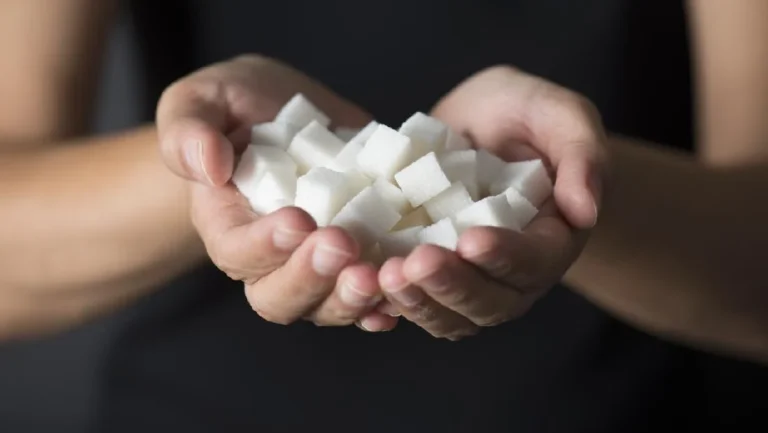
Public health discussions surrounding dietary sugar intake have long targeted commercially manufactured products, particularly ready-to-drink beverages laden with sweeteners, as the primary drivers of rising consumption trends. However, comprehensive new research reveals a surprising paradigm shift in dietary habits across Indonesia. Contrary to the widespread assumption that packaged soft drinks and commercial sweets constitute the bulk of daily sugar intake, a recent scientific study demonstrates that more than half of the sugar consumed by the Indonesian population originates directly from home kitchens. This eye-opening revelation underscores the need to reevaluate nutritional education strategies, shifting the spotlight from supermarket shelves to household dining tables.
The empirical findings are detailed in a cross-sectional study titled "Sugar intake from various food and beverages sources among the Indonesian population," published in the academic journal BMC Nutrition. Conducted by a team of researchers from the Department of Community Nutrition at IPB University (formerly known as the Bogor Agricultural Institute), the study provides a granular analysis of how, where, and in what forms Indonesians consume dietary sugars. By evaluating consumption patterns across various demographics—including age brackets, biological sexes, and geographical localities—the research offers an unprecedented look at the hidden drivers of national sugar consumption.
According to the study’s lead researcher and nutrition health expert, Dr. Mira Dewi, MSi, PhD, home-prepared foods and beverages account for an overwhelming 51.8 percent of the total daily sugar intake among respondents. This domestic contribution dwarfs other dietary sources, including non-packaged beverages purchased outside the home at 19.8 percent, and commercially packaged drinks at 13.4 percent. During a media briefing in Central Jakarta, Dr. Mira emphasized the unexpected nature of this statistical distribution. The revelation that the single largest proportion of dietary sugar is quietly integrated into meals and drinks prepared within the domestic sphere challenges conventional public health messaging, which has historically prioritized the regulation and taxation of industrial soft drinks.
A Closer Look at Domestic Culprits: From Sweet Teas to Homemade Juices
To understand how home kitchens became the epicenter of national sugar consumption, researchers examined the specific menu items responsible for the highest contributions within the domestic sphere. The data highlights five primary culinary items that dominate the daily intake: sweet tea, sweet coffee, traditional mung bean porridge (bubur kacang hijau), banana compote (kolak pisang), and homemade fruit juices.
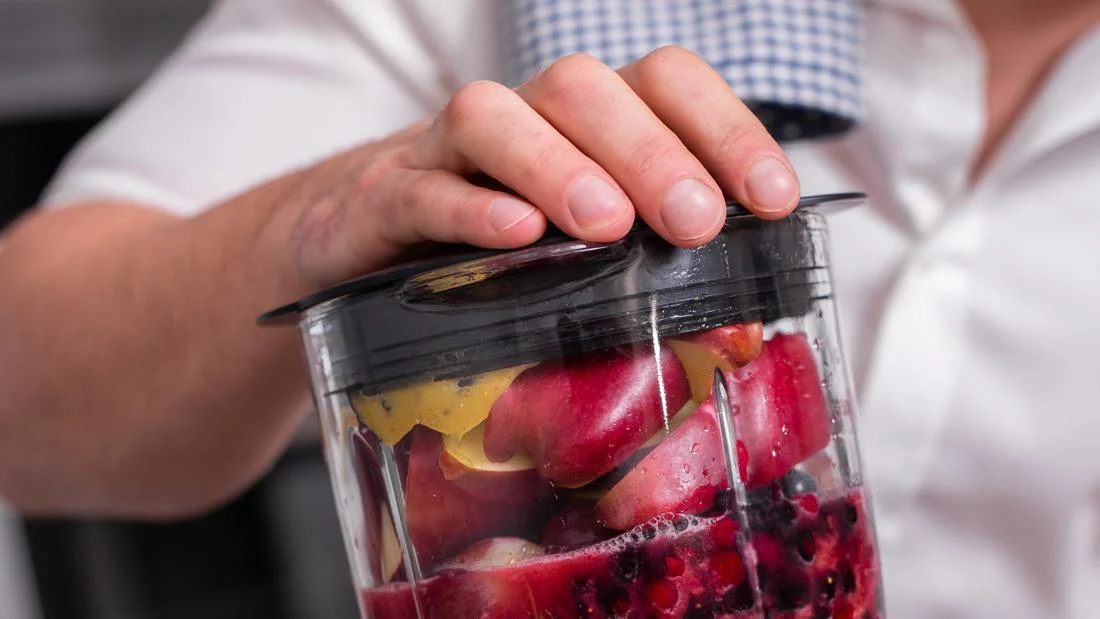
Among these, the inclusion of homemade fruit juice serves as a prominent example of consumer misconception regarding health foods. While fresh fruit is universally recognized as an essential component of a balanced diet, the process of transforming whole fruit into a beverage at home frequently involves the addition of substantial amounts of refined sugar to enhance palatability. Consumers often equate "homemade" with "healthy," failing to recognize that the liquid form lacks the satiating dietary fiber of whole fruit and is frequently supplemented with sweeteners that rapidly elevate glycemic loads.
Beyond home-prepared meals and beverages, the IPB University study quantified the contributions of other food categories. Non-packaged commercial foods consumed outside the home contributed 8.5 percent to the daily total, while packaged commercial foods accounted for 6.6 percent. This structured breakdown illustrates that while commercial products remain a significant concern, the cumulative impact of daily culinary habits inside the home plays the definitive role in shaping the nation’s sugar intake profile.
Methodology, Chronology, and Quantitative Findings
The research project was executed between September and December 2023, utilizing a robust cross-sectional methodology designed to capture a representative cross-section of the Indonesian populace. The study surveyed 1,202 respondents ranging from 15 to 55 years of age. To ensure regional and cultural diversity, the sampling frame encompassed ten provinces characterized by the highest population densities across the archipelago.
The empirical measurements recorded a national average sugar consumption rate of 30.61 gram per person per day, translating to approximately 5.7 percent of the population’s total daily energy intake. When evaluated against macroeconomic and institutional benchmarks, this average appears reassuringly compliant with public health guidelines. The figure remains comfortably below the threshold recommended by the Indonesian Ministry of Health, which sets a maximum limit of 50 grams of added sugar per person per day. Furthermore, it aligns with the broader global guidelines established by the World Health Organization (WHO), which advises limiting free sugar intake to less than 10 percent of total daily energy consumption.
Despite the reassuring national average, a more detailed statistical analysis of the data exposes significant variations and vulnerable subsets within the population. Approximately one in six respondents—representing 17.2 percent of the total sample—exceeded the 50-gram daily limit, demonstrating that high-risk consumption patterns are prevalent among specific segments of society.
Geographical and Demographic Disparities
The study uncovered notable divergences in sugar consumption based on geography, gender, and age, painting a complex portrait of dietary habits across modern Indonesia.
Geographically, the research recorded higher average sugar consumption in rural areas, where residents consumed 32.9 grams per day, compared to urban counterparts who averaged 29.3 grams daily. This counterintuitive finding challenges the assumption that modern urban lifestyles, heavily saturated with commercial cafes and convenience stores, inherently drive higher sugar consumption. Instead, traditional culinary practices, local preservation methods, and the widespread use of palm sugar or refined cane sugar in rural domestic cooking appear to contribute significantly to higher daily totals.
Gender disparities were similarly pronounced. Male respondents exhibited a substantially higher average daily sugar intake of 35.3 grams, compared to 26.2 grams among female respondents. This variance may be attributed to differences in total caloric requirements, portion sizes, and behavioral preferences for sweet beverages throughout the day.
Age-based analyses revealed distinct behavioral trends across generations. Adolescents aged 15 to 18 years derived a larger share of their dietary sugar from external snacking and purchases made outside the home, reflecting dynamic social lives and peer-driven consumption habits. Conversely, adults aged 30 to 49 years relied primarily on home-cooked meals and domestically prepared beverages for their sugar intake, directly tying domestic culinary traditions to adult dietary profiles.
Broader Implications for Public Health and Policy
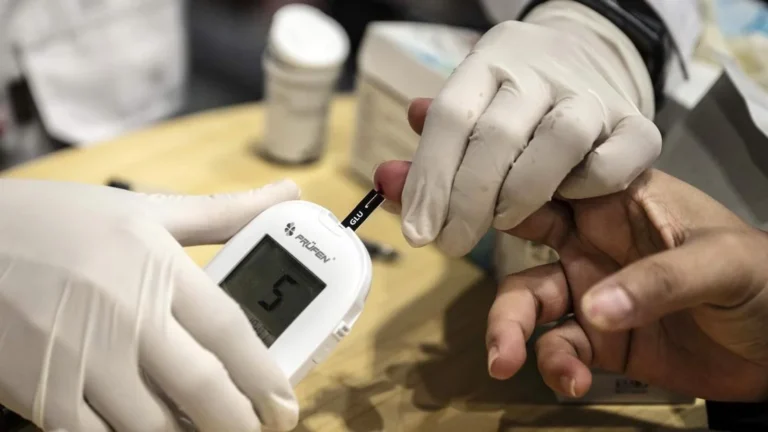
The publication of these findings in BMC Nutrition arrives at a critical juncture for Indonesia’s public health landscape, which faces rising incidences of non-communicable diseases such as type 2 diabetes and obesity. The revelation that the home kitchen is the primary source of dietary sugar necessitates a fundamental recalibration of public health intervention strategies.
Historically, state-led initiatives and civil society campaigns have focused heavily on regulatory measures targeting industrial food manufacturers. Proposals for excise taxes on sugary beverages, mandatory nutritional labeling on packaged goods, and restrictions on marketing campaigns directed at children have constituted the core pillars of national prevention frameworks. While experts agree that these structural interventions remain essential, the IPB University study demonstrates that external regulatory policies alone are insufficient to curb excess consumption.
Because over half of the nation’s sugar intake is self-administered within private domestic spaces, future educational campaigns must adapt to target the kitchen environment directly. Public health advocates and nutritionists argue that intervention programs should specifically engage home cooks, homemakers, and future parents who dictate household grocery purchases and meal preparation. Empowering domestic gatekeepers with nutritional literacy regarding hidden sugars in traditional recipes, beverages, and supposedly healthy options like fresh fruit juices could yield profound behavioral changes at the grassroots level.
Future Outlook and Recommendations
As health authorities digest the implications of the 2023 survey data, medical professionals and academics are calling for a multi-pronged approach to dietary education. Integrating nutritional awareness into community health centers (Posyandu), school curricula, and family welfare programs can help bridge the gap between traditional culinary habits and modern nutritional science.
Ultimately, the findings from IPB University challenge the Indonesian public to look inward. While systemic changes from food manufacturers and policymakers are vital for creating a healthier food environment, the battle against excessive sugar consumption begins at home—one measured teaspoon at a time.