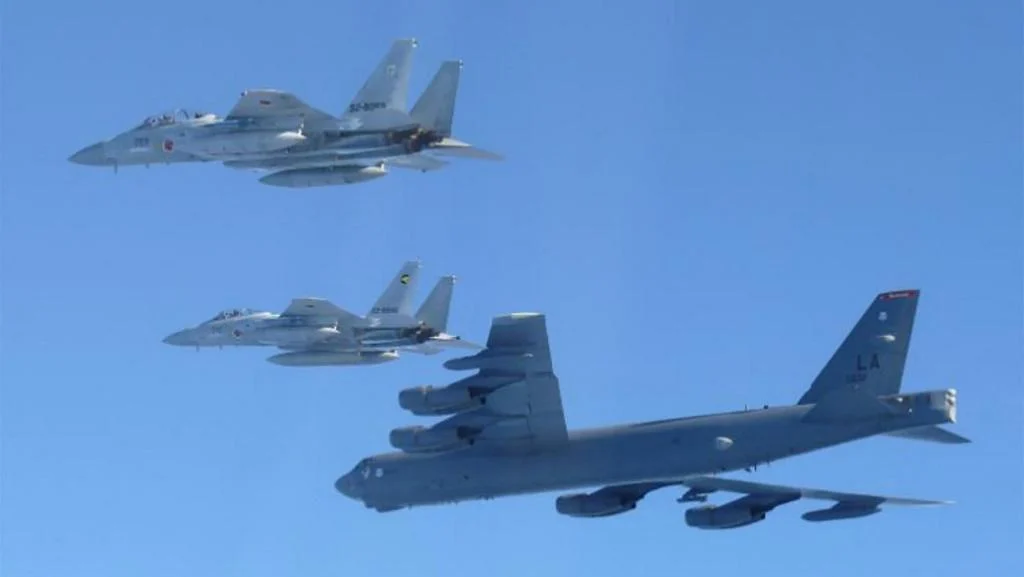
Jakarta — The digital infrastructure of the United States military found itself at the center of international scrutiny following unconfirmed reports that the United States Air Force suffered a significant cybersecurity breach affecting its critical cloud computing environment, Cloud One. The incident, which reportedly threatened to expose highly sensitive defense-related data, has reignited intense debates regarding the vulnerability of governmental digital frameworks. While prominent media outlets asserted that unauthorized access had compromised parts of the military cloud architecture, defense officials in Washington vehemently denied the occurrence of any successful cyber intrusion, maintaining that the department’s operational systems remain entirely secure, fortified, and continuously monitored.
This unfolding narrative underscores the escalating frequency of sophisticated cyber threats targeting strategic state institutions, defense contractors, and financial infrastructure across the globe. As geopolitical tensions increasingly manifest in the digital realm, incidents involving premier security agencies highlight the persistent challenges governments face in safeguarding sensitive information against state-sponsored actors, advanced persistent threat (APT) groups, and opportunistic cybercriminals.
Chronology of the Alleged Breach and Initial Disclosures
The sequence of events leading to the public disclosure of the alleged cyber incident began months prior to hitting international news headlines. According to internal reports referenced by industry insiders and specialized federal technology publications, the potential compromise of the Air Force platform was first detected earlier in the year. The discovery reportedly did not stem from automated intrusion detection systems, but rather during routine maintenance operations conducted by a private-sector defense contractor entrusted with managing segments of the cloud infrastructure.
The timeline accelerated sharply on Friday, November 27, when Reuters broke the initial story regarding the security scare within the United States Air Force ecosystem. Shortly thereafter, major news networks, including NBC News, amplified the report by citing anonymous defense and intelligence officials. These sources indicated that the security oversight or unauthorized access event "may have exposed sensitive military information," raising immediate alarms among national security analysts and lawmakers.
Concurrently, the Federal News Network corroborated aspects of the breach through interviews with individuals possessing direct knowledge of the internal investigation. Despite the growing chorus of media reports detailing the nature of the discovery, official channels remained measured, culminating in a swift and definitive pushback from the highest echelons of the Department of Defense.
Anatomy of Cloud One and the Critical Nature of Military Cloud Architecture
To fully comprehend the gravity of the reported incident, one must examine the role and architecture of Cloud One within the United States Air Force digital ecosystem. Cloud One serves as an enterprise-wide cloud computing platform designed to streamline, secure, and accelerate the migration of mission-critical applications to commercial and government cloud environments. It acts as a centralized backbone that supports numerous Air Force and Department of Defense programs, facilitating data sharing, operational planning, administrative functions, and logistical coordination across global commands.
Modern military frameworks increasingly rely on cloud computing to enhance agility, reduce operational costs, and enable real-time data integration across disparate branches of the armed forces. However, this centralization of vast quantities of classified, unclassified, and sensitive operational data also presents a high-value target for sophisticated malicious actors. A compromise of a platform like Cloud One—even if restricted to peripheral environments or non-classified administrative zones—carries significant strategic implications. Adversaries consistently seek access to military supply chain details, personnel records, deployment logistics, and tactical software development pipelines.
Official Responses and Pentagon Counter-Statements
In the wake of mounting media speculation, the Pentagon issued robust denials, directly challenging the narrative presented by anonymous sources. Department of Defense spokespersons emphasized that the integrity of military networks remains uncompromised, attributing the strength of their defense posture to continuous, round-the-clock monitoring by elite cybersecurity professionals.
"Systems of the Department of Defense are secure, protected, and managed 24 hours a day, 7 days a week by the best experts and teams in the world," stated a senior Department of Defense official in communication with international news agencies. "We will continue to safeguard all operations and applications that are critical to our mission."
Military leadership underscored that routine maintenance flags, contractor inquiries, and internal vulnerability assessments are standard components of robust cybersecurity hygiene. They cautioned against conflating routine system upkeep, diagnostic testing, or localized configuration adjustments with actual data breaches or successful hostile intrusions. Nevertheless, defense analysts note that official denials are a standard protocol in high-stakes intelligence and cybersecurity communications, designed to prevent the dissemination of tactical vulnerabilities and to maintain public confidence in national defense capabilities.
Broader Context: A Wave of Digital Disruptions Across U.S. Institutions
The controversy surrounding Cloud One does not exist in a vacuum; rather, it unfolds against a backdrop of escalating digital incidents and systemic cyber disruptions targeting critical American infrastructure. Over the preceding weeks, government agencies, financial institutions, and telecommunications providers have reported heightened alert statuses due to a surge in malicious cyber activity.
Prominent federal entities, including the Central Intelligence Agency and the Federal Bureau of Investigation, have similarly faced scrutiny regarding attempts by foreign adversaries to probe their digital perimeters. Concurrently, major commercial suppliers serving foundational financial institutions—such as JPMorgan Chase, Visa, and Mastercard—have found themselves managing heightened threat landscapes to protect transactional integrity and customer data.
Adding to the complexity, a series of technological anomalies and outages have tested the resilience of national systems. Incidents affecting widely used productivity tools like Microsoft Outlook, technical disruptions within federal air traffic control systems, and network anomalies impacting the National Security Agency have periodically caused public anxiety. However, in many of those instances, federal authorities and technical administrators clarified that the root causes stemmed from standard maintenance windows, software updates, or isolated technical malfunctions rather than malicious cyber penetrations. Nonetheless, the frequency of these concurrent events has heightened sensitivity among policymakers regarding the fragility of modern interconnected systems.
Cross-Border Cyber Threats: The European Front
The digital siege is by no means confined to North American borders. The escalating scope of modern cyber warfare is vividly illustrated by incidents occurring internationally. Notably, the European Commission disclosed in October that it had successfully detected and mitigated a sophisticated cyberattack aided by artificial intelligence technologies.
The involvement of artificial intelligence in orchestrating cyber intrusions marks a troubling evolution in the threat landscape. State-sponsored groups and advanced criminal syndicates increasingly deploy machine learning algorithms to automate reconnaissance, identify zero-day vulnerabilities, optimize phishing campaigns, and bypass traditional signature-based security controls at unprecedented speeds. The European incident served as a stark reminder to Western allies that institutional defenses must continuously adapt to meet the sophisticated capabilities of tech-empowered adversaries.
Implications for National Security and the Future of Defense Cybersecurity
The unverified reports surrounding the United States Air Force cloud infrastructure serve as a critical case study in the intersection of modern defense, media reporting, and cyber resilience. Several key implications emerge from the incident, dictating the trajectory of military cybersecurity policies in the years ahead.
First, the heavy reliance on commercial and hybrid cloud models necessitates a paradigm shift in supply chain security. As defense agencies increasingly partner with private-sector contractors for cloud migration and maintenance, vetting procedures, continuous monitoring of contractor access privileges, and Zero Trust Architecture (ZTA) implementation become non-negotiable prerequisites. Zero Trust frameworks operate on the principle of "never trust, always verify," ensuring that even if a contractor or internal user account is compromised, lateral movement across the network is severely restricted.
Second, the incident highlights the ongoing battle over transparency and operational security in the digital age. Balancing the public’s right to know with the imperative to protect classified military capabilities presents a perpetual dilemma for defense public affairs officers. Premature or inaccurate reporting can inadvertently signal to adversaries which systems are under surveillance or where defenders are actively hardening their posture. Conversely, opacity can erode public trust when significant vulnerabilities are suspected.
Finally, the convergence of AI-driven cyber threats, geopolitical instability, and the digitization of warfare mandates sustained financial and intellectual investment in cyber defense. Both the United States and its allies are pivoting toward proactive threat hunting, leveraging automated defensive systems powered by AI to neutralize incoming attacks before human operators can even react.
Conclusion
While the Department of Defense continues to stand by its assessment that the Cloud One platform remains secure and uncompromised, the episode surrounding the United States Air Force serves as a potent wake-up call. It illuminates the relentless pressure under which military digital infrastructure operates in an era of heightened global cyber conflict. As nations navigate an increasingly hostile cyberspace, the imperative to fortify cloud architectures, secure contractor supply chains, and adapt to AI-enhanced threats will remain central to maintaining sovereign defense capabilities and strategic deterrence.