The challenge of maintaining the freshness of produce is a persistent concern for households globally, particularly as food waste continues to rise as a significant economic and environmental issue. According to data from the Food and Agriculture Organization (FAO), approximately one-third of all food produced for human consumption is lost or wasted annually. In urban centers like Jakarta and beyond, where consumers rely on fresh produce for daily nutrition, improper storage techniques lead to premature spoilage, financial loss, and unnecessary pressure on waste management systems. Research from UC Davis Health, updated as of November 26, 2026, highlights that the longevity of fruits and vegetables is highly dependent on environmental variables such as humidity, ethylene exposure, and light sensitivity. By adopting systematic storage protocols, households can extend the shelf life of their produce, reduce their ecological footprint, and optimize grocery budgets.
The Economic and Environmental Context of Food Waste
Food waste represents a critical inefficiency in the modern supply chain. When produce is discarded due to improper storage, the water, energy, and labor invested in its cultivation, transportation, and retail distribution are effectively nullified. For the average family, this translates into a significant percentage of the monthly food budget being discarded in the trash. Environmental scientists emphasize that rotting produce in landfills releases methane, a potent greenhouse gas that contributes significantly to climate change. Addressing the root cause—improper domestic storage—is therefore not merely a matter of household convenience, but a necessary step toward sustainable consumption.
Scientific Principles of Produce Preservation
Understanding why food spoils is essential to implementing effective preservation strategies. Most produce continues to "breathe" or respire after harvest, consuming oxygen and releasing carbon dioxide and moisture. Many fruits and vegetables also produce ethylene gas, a natural plant hormone that triggers the ripening process. If produce is stored in confined, non-ventilated spaces, this gas accumulates, causing surrounding vegetables to over-ripen and decay rapidly. Furthermore, moisture management is paramount; while some items require high humidity to stay crisp, others will succumb to bacterial growth and mold if kept in damp conditions.
Strategic Storage Methods for Optimal Longevity
To mitigate waste, experts recommend the following seven evidence-based techniques for storing fresh ingredients, ensuring that the nutritional integrity and flavor profiles of these items are maintained for the duration of their shelf life.
1. Managing Leafy Greens and Lettuce
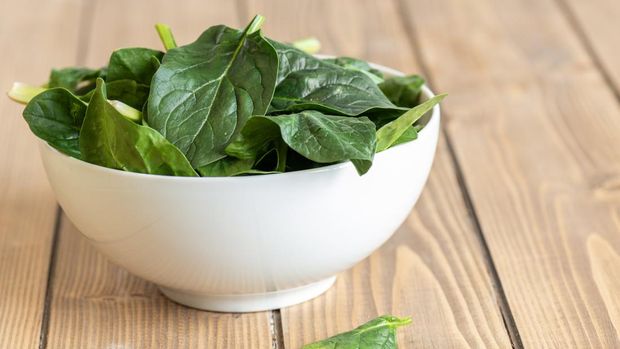
Leafy greens are among the most perishable items in a standard pantry. Their high surface-area-to-volume ratio makes them susceptible to rapid dehydration and wilting. The primary enemy of fresh lettuce and spinach is excess surface moisture. When storing these items, it is recommended to gently pat the leaves dry or use a salad spinner to remove residual water after washing. Wrapping the greens in a dry paper towel or a clean, absorbent cloth before refrigeration helps regulate moisture levels, absorbing excess dampness that would otherwise lead to sliminess. When stored correctly, most leafy greens can retain their structural integrity for up to one week.
2. Temperature Regulation for Tomatoes
A common misconception is that all produce belongs in the refrigerator. Tomatoes, which are botanically sensitive to low temperatures, undergo a degradation of flavor compounds and texture when subjected to refrigeration. Cold temperatures disrupt the enzymatic activity responsible for the tomato’s characteristic aroma and flavor. Consequently, whole tomatoes should be stored at room temperature, away from direct sunlight. Once a tomato has been sliced, however, the rules change; the exposed flesh becomes a breeding ground for bacteria. Cut tomatoes must be stored in an airtight, non-reactive container and refrigerated, where they should be consumed within 24 hours for optimal quality.
3. Managing the Ripening Cycle of Avocados
Avocados are climacteric fruits, meaning they continue to ripen after harvest. To manage this process, consumers can use the refrigerator as a tool to slow down the maturation of firm, unripe avocados. By placing them in the cold, the metabolic rate of the fruit is reduced, extending their shelf life. Once an avocado reaches the desired ripeness, it should be consumed promptly. If a half-avocado remains, leaving the pit in and covering the exposed flesh with plastic wrap, or placing it in an airtight container with the flesh facing downward, can minimize oxidation and browning.
4. Humidity Control for Broccoli
Broccoli is highly sensitive to ethylene gas and moisture. It is advisable to store broccoli in a loose plastic bag—or a perforated bag—within the crisper drawer of the refrigerator. This allows for necessary airflow while maintaining a slightly humid environment that prevents the florets from drying out. Washing broccoli before storage is strongly discouraged, as the added water promotes mold growth. If the broccoli begins to show signs of wilting, the stalk can be trimmed, and the base of the stem can be placed in a small amount of water to rehydrate the plant tissues, similar to cut flowers.
5. Proper Storage for Root Vegetables: Potatoes
Potatoes require a stable, cool, and dark environment to remain dormant. Exposure to light triggers chlorophyll production, turning the skin green and producing solanine, a bitter-tasting compound that can be toxic in high concentrations. Storing potatoes in a paper bag in a pantry or a dark cupboard is the gold standard. It is essential to keep them away from onions; the chemical interactions between these two vegetables—specifically the gas exchange—can cause both to sprout or rot significantly faster than if they were stored separately.
6. The Necessity of Segregation: Bawang Bombay (Onions)
Bawang Bombay, or onions, require a cool, dry, and well-ventilated location. Unlike leafy greens, they do not thrive in the refrigerator’s high humidity. Furthermore, onions release ethylene gas and volatile sulfur compounds that can adversely affect the longevity of nearby produce. Keeping onions in a mesh bag or a well-ventilated container in a dark cabinet prevents them from sprouting and maintains their pungency. As a rule of thumb, always maintain a physical distance between onion storage and your main supply of tubers or fruits.
7. Hydroponic-Style Preservation for Herbs
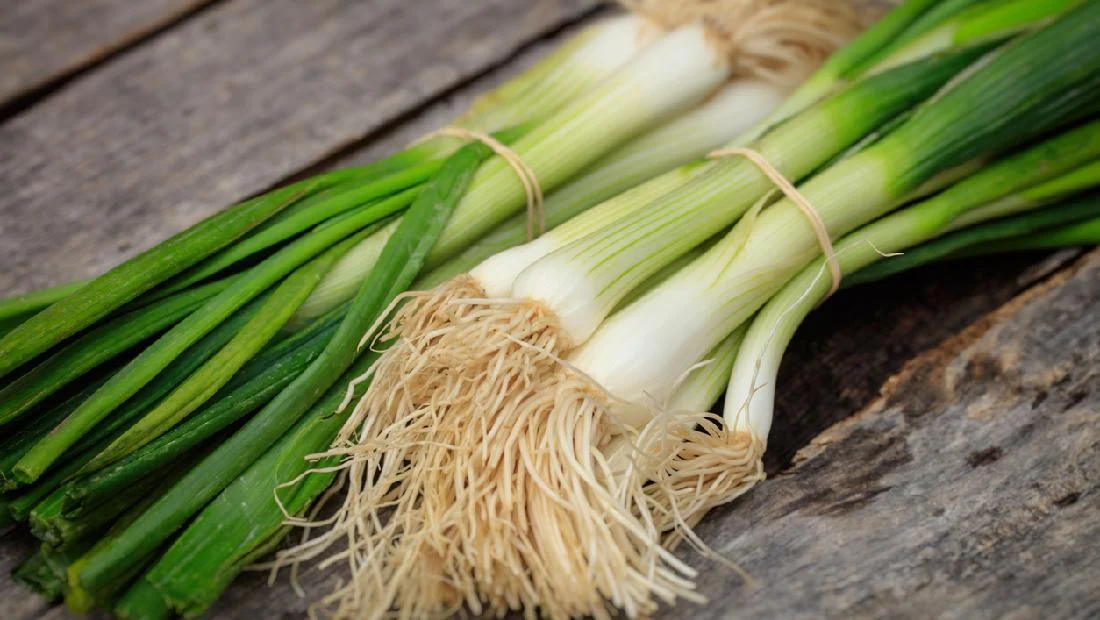
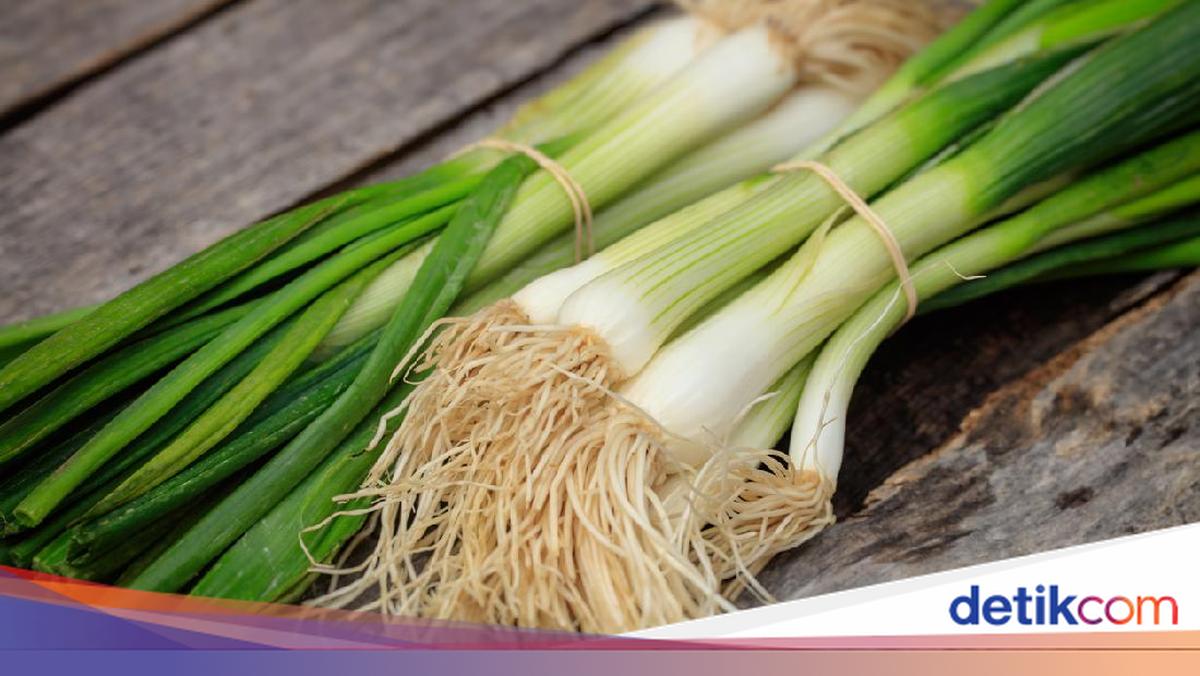
Aromatic herbs such as celery, parsley, and green onions benefit from a storage method similar to hydroponics. By treating these items like a bouquet of flowers, one can significantly extend their life. The ends of the stalks should be trimmed, and the vegetables placed upright in a jar or glass containing approximately one to two inches of fresh water. Covering the leafy tops with a loose plastic bag acts as a mini-greenhouse, maintaining humidity. Replacing the water daily prevents bacterial buildup, allowing these herbs to remain crisp and flavorful for several days longer than they would if left in a standard vegetable crisper.
Broader Implications and Institutional Responses
The broader implication of these practices extends beyond the household. Food policy experts argue that if households consistently adopted these storage standards, there would be a measurable reduction in the volume of organic waste processed by municipal systems. In major cities, municipal governments have begun to emphasize "home-level waste reduction" as a pillar of their environmental strategies.
Furthermore, the retail sector has seen a shift in how produce is labeled. Many grocery chains now include "storage instructions" on their packaging to educate consumers. Industry analysts suggest that this proactive approach is a response to the growing consumer demand for sustainability. Retailers are increasingly aware that if a consumer has a poor experience with a product that spoils too quickly, they are less likely to return to that brand. Consequently, the dissemination of proper storage knowledge has become a form of value-added service.
Conclusion: A Systematic Approach to Freshness
The transition from a "buy and hope" mentality to a structured storage system is a small but significant adjustment in daily life. By acknowledging the unique biological requirements of various fruits and vegetables—ranging from the humidity needs of greens to the darkness required by tubers—consumers can effectively combat the global food waste crisis. As the findings from UC Davis Health and other agricultural research institutions continue to emphasize, the path to a more sustainable food future begins in the home kitchen. By applying these seven strategies, individuals can ensure that their fresh ingredients reach the dinner plate rather than the waste bin, thereby honoring the resources that went into their production and ensuring a more efficient and sustainable household economy.