The early morning silence at the Boyolali Circuit on Saturday, October 17, 2026, was not broken by the traditional sounds of rural life, but by the sharp, metallic snarl of motorcycle engines warming up in the paddock. For the assembled team of track marshals, this mechanical symphony signaled the official commencement of preparations for the third series of the Yamaha Race Cup. While spectators and racing enthusiasts focus heavily on the riders, podium finishes, and high-speed maneuvers, a critical operational backbone remains largely uncelebrated: the track marshals. Operating directly adjacent to high-risk tarmac zones, these safety personnel bear the immense responsibility of maintaining race integrity and preserving driver lives. As global climate shifts amplify local environmental hazards, the experiences of these frontline workers offer a compelling lens through which to examine broader societal crises, notably industrial pollution, regulatory accountability, and environmental degradation across Indonesia.
Understanding the Operational Roles and Risks of Track Marshals
Motorsport safety relies heavily on a hierarchical and highly specialized division of labor among track marshals. At events such as the Yamaha Race Cup, personnel are typically mobilized by organizing committees, receiving basic logistical provisions including identification apparel, hydration, and specialized equipment deployed strategically across designated hazard zones. The operational framework segregates marshals into three primary categories: flag marshals, track marshals, and medical marshals.
Flag marshals are stationed at distinct observation posts to manage visual communication with oncoming riders, most notably utilizing yellow flags to signal hazards, debris, or the necessity to reduce speed. Track marshals, conversely, maintain direct physical proximity to the circuit. Their responsibilities include clearing debris from the racing line, uprighting stalled or crashed motorcycles, and rapidly extracting fallen riders from the path of oncoming traffic to prevent secondary collisions. Medical marshals operate as the immediate bridge to professional healthcare, tasked with stabilizing severely injured athletes and utilizing stretchers to evacuate them to trackside medical facilities staffed by specialized hospital personnel.
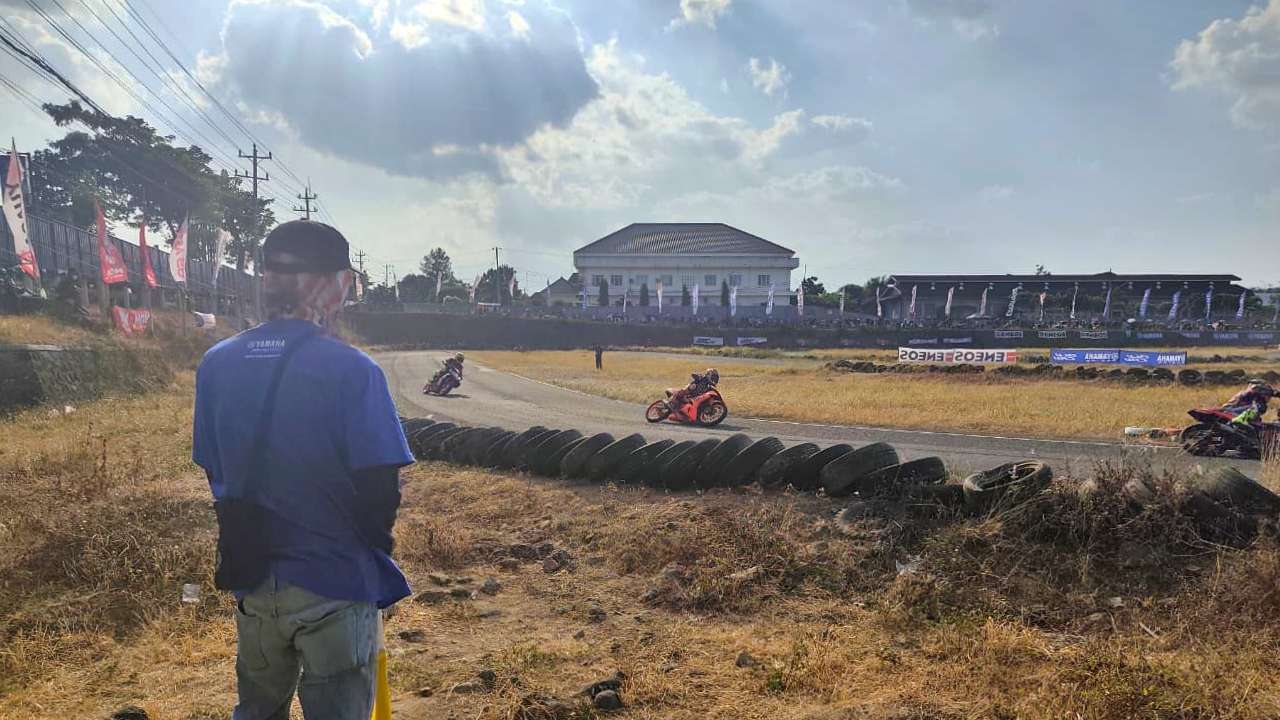
Despite the structured protocols, the occupational realities of track marshals involve significant physical discomfort and environmental exposure. Unlike support staff with sheltered paddock infrastructure, outdoor marshals frequently operate without protective canopies. Amid prolonged regional temperature anomalies exacerbated by climatic phenomena such as El Niño, ambient track temperatures soar. Personal Protective Equipment (PPE)—including caps, specialized sunglasses, breathable face coverings or buffs, full-length garments, heavy-duty footwear, and protective gloves—is mandatory to mitigate thermal burns and abrasion risks. However, this gear creates a paradoxical environment where heat retention and intense physical exertion combine to induce severe dehydration and fatigue.
The Health Toll of Circuit Pollution and Immediate Operational Pressures
Beyond thermal stress, track marshals face constant physiological hazards from internal combustion emissions. As racing motorcycles accelerate through tight corners, thick exhaust fumes permeate protective face coverings, directly irritating the respiratory tract. Without adequate eye protection, particulate matter and chemical compounds in the exhaust cause acute ocular irritation, described by personnel as a burning, stinging sensation comparable to handling volatile aromatics in a kitchen environment.
These acute workplace hazards demand unwavering vigilance. A momentary lapse in concentration or lethargy during a race can compromise the entire safety apparatus, rendering financial compensation negligible in ethical terms. Marshals must maintain constant situational awareness from the morning briefing until the final checkered flag drops, typically between 4:00 PM and 5:00 PM, punctuated only by brief respites during midday meal breaks. The ability to anticipate sliding motorcycles or mechanical failures within fractions of a second dictates whether a minor spill escalates into a catastrophic multi-bike collision.
Parallels from the Circuit to National Environmental Disasters

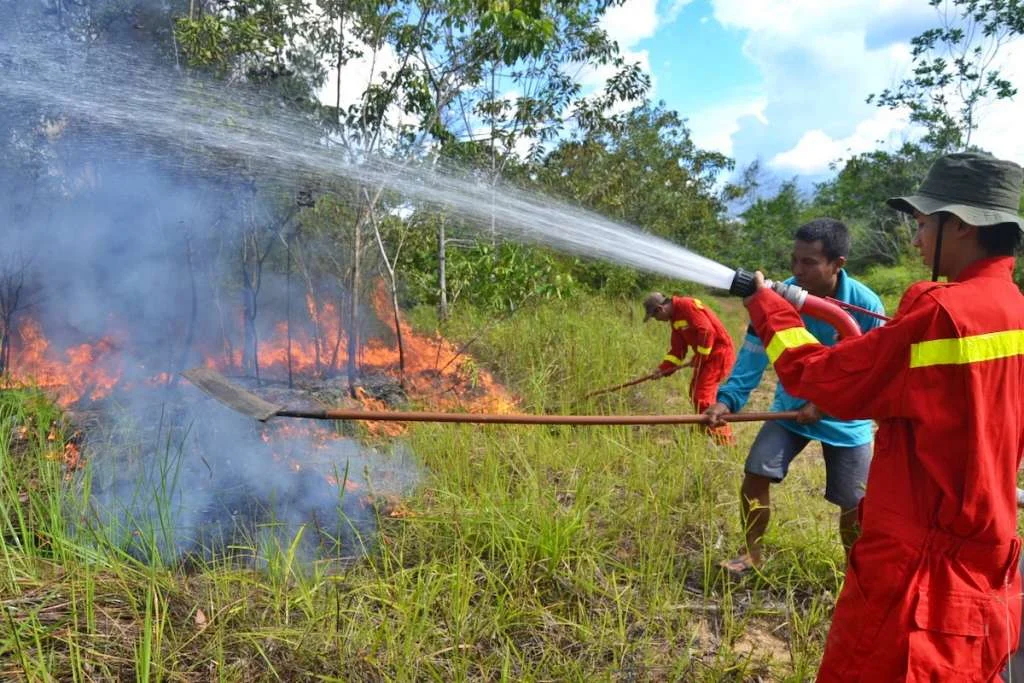
The sensory deprivation and respiratory distress experienced by track marshals exposed to circuit emissions provide a striking micro-level parallel to the macro-level environmental crises affecting millions of citizens across Indonesia. In recent years, widespread ecological degradation stemming from land and forest conversion has subjected vast populations to toxic particulate pollution. The deliberate clearing of land through burning practices releases dense blankets of haze that engulf entire regions, systematically violating the fundamental human right to clean air.
While circuit marshals experience exhaust exposure intermittently between racing heats, rural communities, children, elderly populations, and frontline firefighters are subjected to hazardous particulate matter (PM2.5) almost continuously. The resulting health implications are severe and well-documented, marked by a surge in acute respiratory infections (ARI), systemic cardiovascular complications, and, in severe cases, fatalities. This environmental crisis routinely transcends national borders, drawing regional and international concern as cross-border haze blankets neighboring countries, sparking diplomatic friction and regional health advisories.
The Semantics of Crisis: Shifting from "Forest Fires" to Anthropogenic Arson
A critical analysis of public discourse surrounding these ecological catastrophes reveals significant linguistic obfuscation in media and official reporting. The widespread use of terms such as "kebakaran hutan dan lahan" (forest and land fires)—often abbreviated as karhutla—linguistically categorizes these events as passive, natural occurrences. Much like terms denoting unpreventable natural phenomena such as floods or accidental vehicular mishaps, the passive noun structure obscures human agency and accountability.
Experts and civil society advocates argue that terminology must shift toward active constructions, such as "pembakaran hutan" (forest burning) or "lahan yang dibakar" (deliberately burned land). Framing these disasters as passive environmental accidents diverts public scrutiny away from corporate actors, syndicates, and individuals who utilize fire as a cheap, illegal land-clearing mechanism. When a crisis is normalized merely as a seasonal climatic hazard, public policy responses frequently become reactive, focusing exclusively on suppression rather than preventative enforcement, legal prosecution, and structural reform.

Accountability, Regulatory Oversight, and the Threat of Cascading Disasters
The systemic failure to deter illegal land conversion underscores broader governance challenges regarding institutional responsibility. Regulatory bodies and law enforcement agencies tasked with protecting public resources derive their operational mandate and financial support from taxpayer funds. Consequently, public expectations demand rigorous enforcement of environmental protection laws and proactive oversight to safeguard communities from predatory industrial practices.
However, the reluctance of authorities to classify extensive ecological destruction as a national disaster or to decisively penalize culpable corporations frequently erodes public trust. This regulatory laxity carries severe cascading implications. The removal of subterranean root systems and forest canopy through burning strips landscapes of their natural hydrological regulators.
Historical climate data indicates that subsequent seasonal transitions, such as the onset of La Niña and intensified western monsoon cycles, routinely trigger catastrophic secondary disasters. The massive flash floods and landslides that struck regions across Aceh, North Sumatra, and West Sumatra serve as empirical evidence of this vulnerability. Deforested and degraded terrain loses its capacity to absorb heavy rainfall, transforming saturated soils into destructive mudflows that threaten downstream settlements.
Preventative Governance and the Outlook for Climate Resilience

Addressing the intertwined challenges of occupational safety, industrial pollution, and environmental degradation requires a fundamental realignment of both micro-level operational standards and macro-level public policy. Event organizers and motorsport governing bodies must mandate comprehensive infrastructure support for track personnel, ensuring adequate shelter, hydration, and ergonomic rotation schedules to safeguard worker health.
On a national scale, institutional bodies must transition from reactive crisis management to robust, preventative governance. This entails transparent enforcement of environmental regulations, the revocation of operating licenses for entities engaging in illegal land clearing, and the explicit recognition of ecological safety as a foundational pillar of public welfare. As Indonesia navigates increasingly volatile climatic shifts between El Niño droughts and La Niña precipitation extremes, the margin for administrative error narrows significantly. Protecting both the frontline workers of the motorsports circuit and the vulnerable citizens residing near degraded landscapes remains an essential prerequisite for sustainable national development.