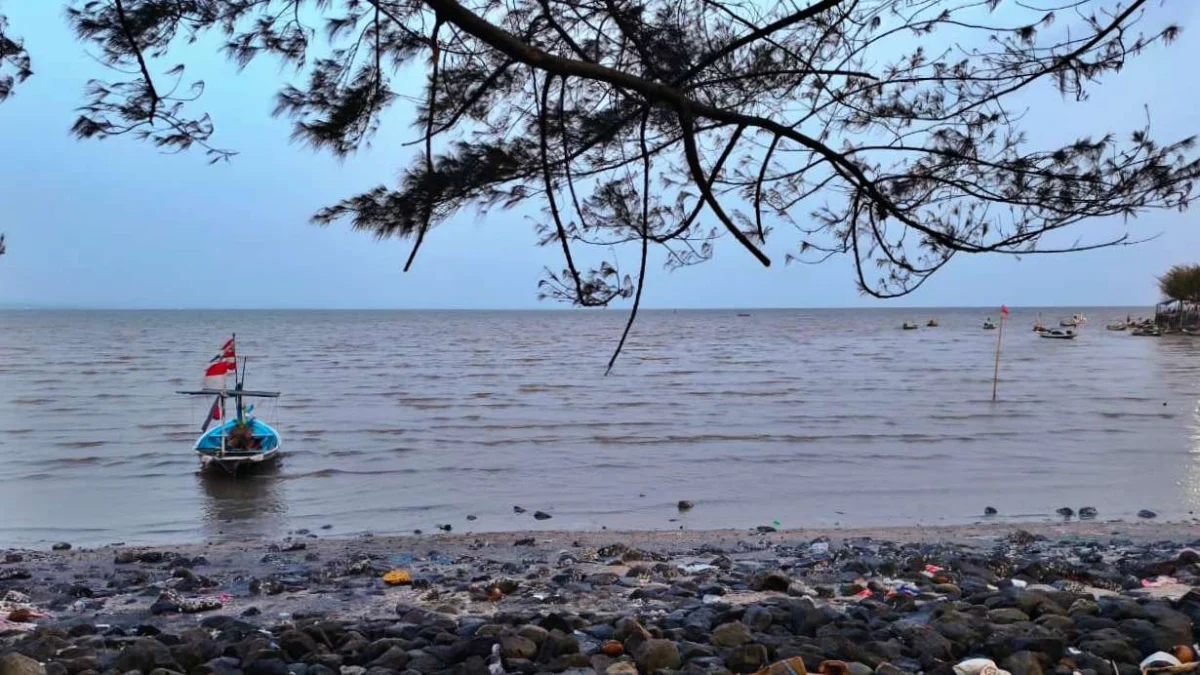
Surabaya, the vibrant capital of East Java, is widely recognized as a relentless economic engine. For years, residents and transients alike have witnessed the city’s unrelenting daily rhythm, characterized by congested thoroughfares, hurried commuters, and an unyielding pace of socio-economic activity. Yet, amidst the perpetual hum of urban commerce, the city maintains a vital geographical valve: its eastern coastline. Centered around the Kenjeran district—spanning from the striking architecture of the Suroboyo Bridge to the family-friendly expanses of Taman Suroboyo—this coastal strip serves as a crucial urban sanctuary. While lacking the pristine white sands and crystal-clear waters typically associated with tropical resorts, Kenjeran fulfills a far more complex role. It operates simultaneously as a psychological refuge for weary city dwellers, a powerful catalyst for nostalgic connection among migrants, and a resilient micro-economy supporting local vendors and traveling merchants.
Urban Background and Geographical Significance
Surabaya’s eastern coastline has historically served as a distinct contrast to the hyper-urbanized interior of Indonesia’s second-largest city. The Kenjeran area, situated along the Madura Strait, has undergone substantial infrastructural transformations over the past decade. Landmark developments, most notably the construction of the Suroboyo Bridge and the iconic Suramadu Bridge arching in the distance, have redefined the skyline and the public’s access to the waterfront.
Urban planning data indicates that coastal zones in densely populated metropolitan areas like Surabaya play an indispensable ecological and social role. They mitigate urban heat island effects while providing much-needed public open spaces (RTH—Ruang Terbuka Hijau). Although the seawater in Kenjeran is characterized by its distinct turbidity rather than tropical clarity, the psychological benefits of open horizons, bracing sea breezes, and the distinct sensory markers of the coast continue to draw thousands of visitors, particularly during the late afternoon hours.

Chronology of an Afternoon Coastal Transit
A typical afternoon observation along the Kenjeran corridor reveals a dynamic interplay between leisure and labor. The chronology of the space shifts noticeably as daylight wanes:
- Late Afternoon (15:00 – 16:30): Visitors begin to populate the pedestrian walkways of the Suroboyo Bridge and the grassy lawns of Taman Suroboyo. Migrants and local residents seek refuge from the city’s vehicular congestion, finding solace in the open views of the Madura Strait and the cooling maritime winds.
- Peak Commerce (16:30 – 18:00): As foot traffic increases, local vendors and itinerant merchants activate their stalls. The distinct, savory aroma of traditional smoked fish (ikan asap)—a culinary staple deeply rooted in the heritage of indigenous Kenjeran fishing communities—mixes with the scent of modern street foods such as cilok, lontong kupang, and lontong balap.
- Dusk and Community Engagement (18:00 – onwards): Families gather around recreational facilities, including children’s rides at Taman Suroboyo, while evening commuters traverse the Suroboyo Bridge, creating a seamless transition between daytime commerce and nocturnal urban life.
Socio-Economic Symbiosis: Leisure Meets Livelihood
Beyond its recreational appeal, the Kenjeran coastline functions as an organic economic incubator. Sociological and economic analyses of urban public spaces frequently highlight how leisure zones generate informal employment opportunities. In Kenjeran, this dynamic is bifurcated into two primary groups: indigenous coastal merchants and mobile urban vendors.
Local residents, many of whom have maintained generational ties to the fishing industry, rely heavily on the weekend and evening influx of visitors to market seafood products, primarily smoked fish. This direct-to-consumer model preserves culinary traditions while securing household incomes in an increasingly competitive urban market.
Conversely, mobile vendors originating from various parts of Surabaya converge on Kenjeran during peak hours to capitalize on the foot traffic. Offering accessible, affordable street foods—ranging from regional delicacies like lontong kupang to universally popular snacks like skewered meatballs and quail eggs (telur gulung)—these merchants operate on a multi-location schedule. For these workers, Kenjeran represents a strategic economic node where urban leisure directly translates into daily financial sustenance.

This symbiotic relationship underscores a fundamental principle of urban economics: discretionary spending by individuals seeking psychological respite directly underwrites the livelihoods of those engaged in survival labor. The transaction of purchasing a modest portion of street food bridges disparate social strata, uniting urban professionals, migrants, and local traders within a shared geographical footprint.
Cultural Resonance and Migrant Psychology
For non-native residents living in Surabaya, particularly migrants from regions renowned for pristine natural landscapes—such as Flores in East Nusa Tenggara—Kenjeran offers a complex psychological interface. Environmental psychology studies suggest that sensory triggers, such as the smell of salt air, crashing waves, and maritime winds, can evoke profound feelings of nostalgia and comfort, even when the visual aesthetics of the environment fall short of rural ideals.
Interviews with displaced workers and students residing in Surabaya reveal that Kenjeran’s rustic, unpolished charm paradoxically fosters a sense of belonging. The familiar coastal atmosphere serves as an emotional palliative against the alienation often experienced in fast-paced metropolitan environments. Consequently, the value of the destination is measured not by conventional tourism metrics, but by its capacity to simulate the comfort of home.
Broader Implications and Urban Policy Analysis
The ongoing utilization of the Kenjeran corridor highlights critical policy implications for municipal governance in Surabaya:

- Infrastructural Maintenance: Continued investment in public amenities, such as Taman Suroboyo and pedestrian pathways along the Suroboyo Bridge, directly enhances the quality of life for urban residents who lack access to distant natural retreats.
- Support for the Informal Economy: Recognizing the economic interdependence between visitors and vendors emphasizes the necessity for urban planners to integrate micro-entrepreneurs into public space management frameworks rather than marginalizing them.
- Environmental Management: While Kenjeran remains culturally and economically vital, long-term sustainability will require addressing coastal water quality, waste management, and ecological preservation along the Madura Strait.
Ultimately, Kenjeran transcends its physical boundaries as a mere coastal strip. It stands as a microcosm of Surabaya itself: resilient, multifaceted, and perpetually balancing the pursuit of modern urban progress with the enduring human need for community, memory, and sustenance.