Socio Today
The humanitarian crisis in the Gaza Strip reached a harrowing new inflection point on Friday, July 17, when an Israeli drone strike targeted a crowd of mourners gathered for a funeral in the Nuseirat refugee camp. According to reports from the Gaza Ministry of Health and witnesses on the ground, at least eight Palestinian civilians were killed instantly, and more than 20 others sustained varying degrees of injuries. The strike occurred outside the Ahmad Yassin Mosque in central Gaza, a location where hundreds had congregated to pay their respects to a fellow resident who had been killed by Israeli forces earlier that morning.
This latest incident underscores the extreme volatility of the region and the precarious nature of civilian life in Gaza. Witnesses described a scene of sudden and devastating violence. As the funeral procession prepared to move from the mosque toward the cemetery, a precision-guided missile launched from an unmanned aerial vehicle (UAV) struck the heart of the assembly. The aftermath, captured in graphic detail by local journalists and shared via social media, showed a landscape of carnage: bodies strewn across the pavement, blood-soaked clothing, and survivors scrambling through the smoke to provide first aid to the wounded.
Detailed Chronology of the Nuseirat Attack
The events leading up to the Friday afternoon tragedy began in the early hours of the day. At approximately 9:00 AM, local sources reported that a Palestinian man was killed during an Israeli military operation on the outskirts of the Nuseirat refugee camp. Following local tradition, the community organized a swift burial process, with the funeral scheduled for the period immediately following the Friday afternoon prayers.
By 1:30 PM, the Ahmad Yassin Mosque was filled to capacity. As the prayers concluded, the casket was brought out to the courtyard, where a larger crowd of relatives, neighbors, and community members had gathered to join the procession. At approximately 2:15 PM, as the crowd began to organize into rows to begin the march, the drone strike occurred. There was no reported warning or "roof-knocking" signal prior to the explosion.
Emergency responders from the Palestinian Red Crescent Society (PRCS) arrived within minutes, but the density of the crowd and the narrow streets of the Nuseirat camp complicated the evacuation of the wounded. The injured were transported to the Al-Aqsa Martyrs Hospital in Deir al-Balah, a facility already struggling under the weight of a severe shortage of medical supplies, fuel for generators, and available beds.
A Pattern of Systematic Escalation
The strike on the funeral is not an isolated event but part of what local authorities describe as a "systematic increase in crimes" against the civilian population. The Gaza Media Office issued a formal statement shortly after the attack, noting that the Israeli military has killed more than 25 Palestinians over the last 72 hours alone. These operations have not been confined to military targets; instead, they have increasingly impacted civilian infrastructure and public gatherings.
In the three days leading up to the Nuseirat strike, Israeli forces reportedly conducted strikes on a crowded marketplace, another cemetery in northern Gaza, and several residential homes. The Media Office emphasized that these actions constitute a flagrant violation of international humanitarian law, specifically the Geneva Conventions, which provide special protections for civilian gatherings and religious ceremonies. "These attacks are a clear affirmation of a policy of terrorism directed against every living being in the Gaza Strip," the statement read, calling on the international community to intervene to prevent further bloodshed.
Statistical Overview of the Conflict
The human cost of the ongoing hostilities has reached levels that international observers describe as catastrophic. According to the latest data released by the Gaza Ministry of Health on Thursday, July 16, the total death toll since the escalation began has surpassed 73,000 individuals. This figure includes a high percentage of women and children, reflecting the high-density urban nature of the combat zones.
Furthermore, more than 173,000 people have been documented as injured, many of whom suffer from permanent disabilities due to the lack of specialized surgical care and rehabilitative services within the blockaded enclave. The destruction of infrastructure is equally staggering; approximately 90 percent of Gaza’s civilian infrastructure, including schools, hospitals, water desalination plants, and power grids, has been either partially damaged or completely destroyed.
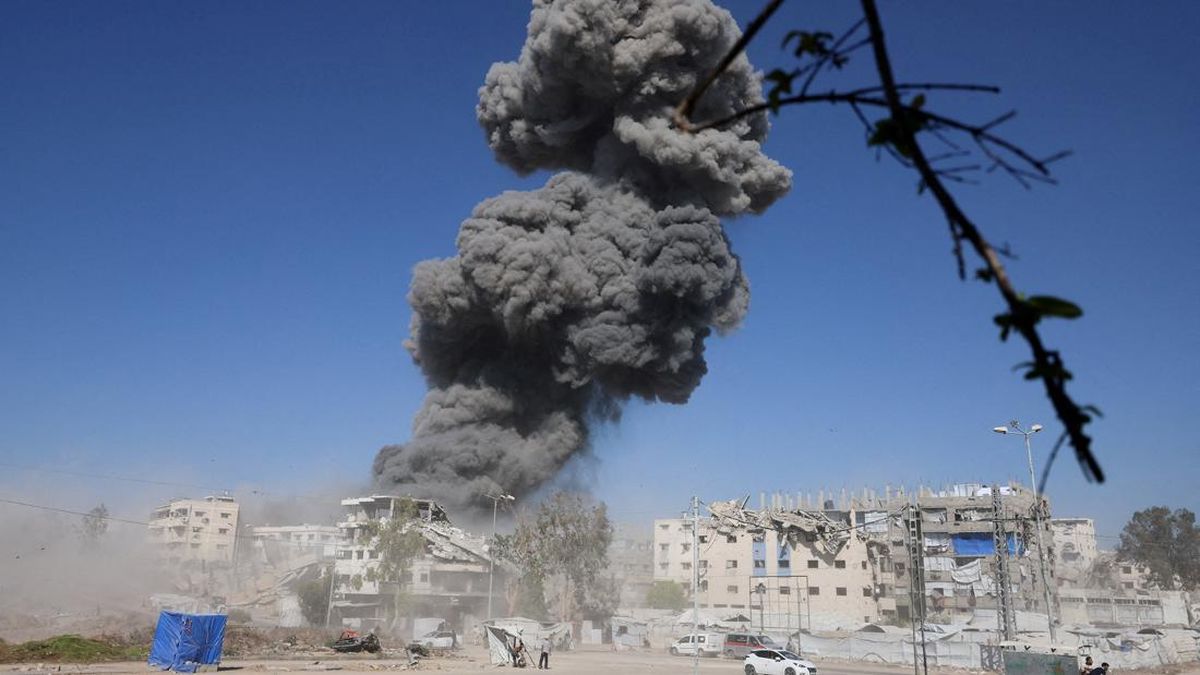
The economic and social fabric of the territory has been essentially dismantled. With nearly 2 million people displaced from their homes, the reliance on international aid has become absolute, yet the delivery of that aid is frequently hampered by ongoing military operations and border closures.
The Failure of the October 2025 Ceasefire
The current wave of violence is particularly significant given the collapse of the ceasefire agreement that was theoretically established on October 10, 2025. Despite international mediation efforts intended to bring a lasting truce to the region, the agreement has been marred by frequent "security exceptions" and retaliatory strikes.
Since the ceasefire was ostensibly signed, the Ministry of Health reports that Israeli violations have resulted in the deaths of 1,127 Palestinians and the wounding of 3,643 others. The strike in Nuseirat is seen by many analysts as the final nail in the coffin for the 2025 agreement, signaling a return to full-scale kinetic operations without the constraints of diplomatic oversight.
Critics of the military strategy argue that the persistent targeting of civilian-heavy areas under the guise of neutralizing "terrorist cells" only serves to radicalize the population and diminish the prospects for a long-term political solution. Conversely, the Israeli military has frequently maintained that its operations are necessary to dismantle the operational capabilities of armed groups that embed themselves within civilian centers.
International Legal and Humanitarian Implications
The targeting of a funeral procession raises significant questions under international law. Legal experts point out that the principle of distinction—which requires belligerents to distinguish between combatants and civilians—is a cornerstone of the Laws of Armed Conflict (LOAC). Attacking a religious gathering or a funeral, where the vast majority of participants are non-combatants, requires a high threshold of military necessity that is often difficult to justify in the eyes of the international community.
Human rights organizations, including Amnesty International and Human Rights Watch, have repeatedly called for independent investigations into strikes on civilian gatherings in Gaza. They argue that the lack of accountability for such incidents contributes to a "culture of impunity" that encourages further violations. The Gaza Media Office’s appeal to "all treaties, conventions, and international humanitarian law" reflects a growing desperation among local authorities for some form of external legal protection.
Broader Regional and Geopolitical Impact
The repercussions of the Nuseirat strike extend beyond the borders of Gaza. Each incident of high civilian casualties increases the pressure on regional neighbors, including Egypt and Jordan, who face internal domestic pressure to take a firmer stance against the military campaign. Furthermore, the escalation threatens to derail broader regional normalization efforts and increases the risk of a multi-front conflict involving other non-state actors in the Middle East.
In the United Nations, the strike is expected to trigger another round of emergency sessions. However, the deep divisions within the Security Council have historically prevented the passage of enforceable resolutions that could compel a cessation of hostilities. For the residents of Gaza, the diplomatic stalemate in New York or Geneva offers little comfort as they continue to bury their dead under the constant hum of surveillance and attack drones.
Conclusion: A Cycle of Grief
As the sun set over the Nuseirat refugee camp on Friday evening, the community was left to pick up the pieces of a shattered afternoon. The eight individuals killed in the drone strike were added to the ever-growing tally of the conflict’s victims, their names joining the tens of thousands already recorded. For the 20 wounded, the journey toward recovery is fraught with uncertainty in a healthcare system that is itself on life support.
The strike on the Ahmad Yassin Mosque funeral serves as a grim reminder of the total nature of the modern conflict in Gaza, where even the acts of mourning and burial are fraught with mortal peril. Without a renewed and credible commitment to a permanent ceasefire and a meaningful political process, the cycle of violence, retaliation, and civilian suffering appears set to continue unabated, leaving an entire generation of Palestinians and the broader region in a state of perpetual trauma.