Socio Today
Greece is making a concerted effort to have Mount Olympus, the legendary home of the ancient Greek gods, inscribed on the UNESCO World Heritage List. The nomination process, which commenced in 2014, has seen the majestic, snow-capped mountain officially placed on UNESCO’s Tentative List, a mandatory prerequisite for any site aspiring to achieve World Heritage status. This designation signifies the initial recognition of Olympus’s potential universal value, setting the stage for a rigorous evaluation that could ultimately elevate its global standing.
The journey towards inscription is a meticulous one, involving a comprehensive assessment of the site’s outstanding universal value. Following a preliminary evaluation, Greece submitted a complete nomination dossier. This extensive documentation is now undergoing a thorough review by advisory bodies, including the International Council on Monuments and Sites (ICOMOS) and the International Union for Conservation of Nature (IUCN). These organizations will scrutinize the evidence presented, assessing everything from the mountain’s geological significance and ecological richness to its profound cultural and historical importance. The evaluation process typically spans approximately 14 months, ensuring a deep and impartial examination before a final recommendation is made to the World Heritage Committee.
Evagelos Geroliolios, the mayor of Dion-Olympus, eloquently captured the deep connection his community has with the mountain, stating, "Olympus is our life. It is where we grew up. It is the place we see every day, but at the same time, it is also a place that carries with it myths, history, biodiversity, extraordinary beauty, and immense cultural weight." His words underscore the multifaceted significance of Mount Olympus, which extends far beyond its physical presence to encompass a rich tapestry of human experience and natural wonder.
The Mythological Seat of the Gods
Mount Olympus holds a preeminent place in Greek mythology as the dwelling of the twelve Olympian gods. According to ancient lore, it was here that Zeus, after overthrowing his father Cronus, established his celestial palace. The mountain’s enduring mystique is intrinsically linked to these ancient narratives, which have captivated imaginations for millennia. Archaeological evidence further substantiates the mountain’s historical importance. On one of its lower peaks, a sanctuary has been unearthed, yielding some of the oldest artifacts dating back to the Hellenistic period (323 BCE – 30 BCE). This discovery provides tangible proof of the reverence and activity that took place on Olympus in antiquity.
The spiritual significance of Mount Olympus is not confined to ancient pagan traditions. Historical accounts from figures like the philosopher and historian Plutarch, writing in the 2nd century CE, describe processions to one of Olympus’s peaks for animal sacrifices to Zeus. This highlights the continuity of sacred practices associated with the mountain.
A Convergence of Faiths and Natural Wonders
The spiritual landscape of Mount Olympus also bears witness to the evolution of religious practices in Greece. The Prophet Elias chapel, perched at an altitude of 2,803 meters, is recognized as the highest Orthodox Christian chapel in the world. Its existence on this sacred peak is a testament to the enduring spiritual pull of Mount Olympus, transcending different eras and belief systems.
Further down, nestled within the Enipeas Gorge, lie the evocative ruins of a monastery founded in 1542. Nearby, the Holy Cave of Saint Dionysios, a chapel built around a spring, is considered a place of spiritual healing, with the spring water believed to possess sacred properties. This layering of Christian sites atop ancient sacred ground demonstrates how Mount Olympus has served as a focal point for spiritual devotion across centuries.
The nomination for UNESCO World Heritage status is driven by the compelling argument that Mount Olympus represents a unique confluence of culture, myth, and exceptional biodiversity. The mountain is a sanctuary for a rich array of flora and fauna, including numerous endemic species found nowhere else on Earth. Its designation as a protected area acknowledges its ecological importance, and its inclusion on the World Heritage List would further underscore this commitment to conservation on a global scale.
The Path to Nomination: A Timeline of Efforts
The endeavor to secure UNESCO World Heritage status for Mount Olympus has been a long-term commitment. The process formally began in 2014 when the site was added to Greece’s Tentative List. This initial step signifies the country’s intent and commitment to formally nominate the site. The subsequent years would have been dedicated to extensive research, documentation, and the preparation of the comprehensive nomination dossier, a task that requires meticulous attention to detail and adherence to UNESCO’s stringent guidelines.
The nomination dossier would have been submitted to UNESCO for review, initiating the current phase of evaluation. The advisory bodies, ICOMOS and IUCN, are now tasked with assessing the site’s merits. Their recommendations will then be presented to the World Heritage Committee for a final decision.
Anticipation and the Road Ahead
There is considerable optimism within Greece regarding the prospects of Mount Olympus being inscribed on the World Heritage List. The upcoming meeting of the World Heritage Committee in Busan, South Korea, scheduled for July 29, is a pivotal moment where nominations are discussed and decided upon. The presence of Mount Olympus on the committee’s agenda signifies a significant step forward in its bid for recognition.
However, the path to inscription is not without its challenges. The draft agenda for the Busan meeting indicates that the World Heritage Committee may choose to return the nomination to Greece, requesting further details and clarifications. This is a common practice in the UNESCO nomination process, allowing for a more robust and complete understanding of the site’s values. Such a request would not necessarily be a setback but rather an opportunity for Greece to further strengthen its case by providing additional evidence or addressing specific concerns raised by the advisory bodies.
Supporting Data and Broader Implications
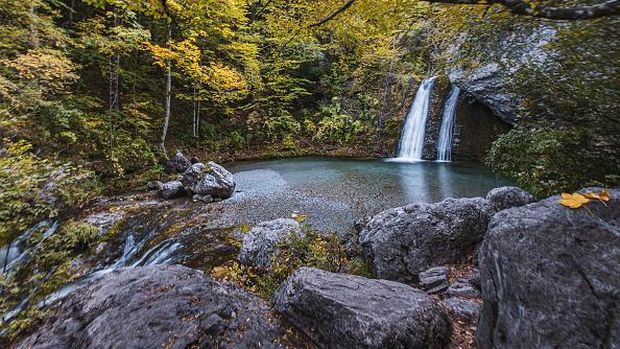
The biodiversity of Mount Olympus is a key component of its nomination. The mountain boasts a remarkable range of ecosystems, from Mediterranean scrublands at lower altitudes to alpine meadows and coniferous forests higher up. This ecological diversity supports a rich variety of wildlife, including several species of birds of prey, wild goats, and numerous plant species, some of which are endemic to the region. For instance, studies have identified over 1,500 plant species on Mount Olympus, highlighting its botanical significance.
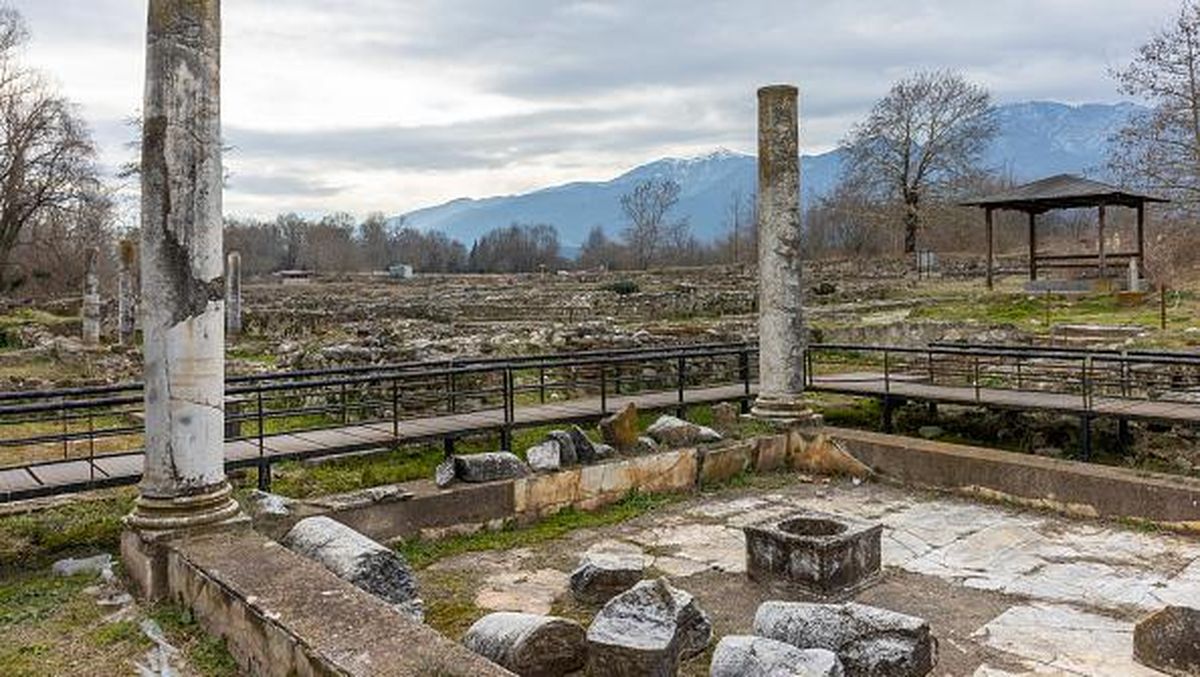
The cultural heritage is equally compelling. The archaeological sites at Dion, the ancient city that served as a sanctuary and religious center for Olympus, provide a tangible link to the religious and cultural practices of ancient Greece. The presence of Roman theaters and other structures at Dion further underscores the enduring importance of the area through different historical periods. The juxtaposition of these ancient ruins with the natural grandeur of the mountain creates a unique cultural landscape.
If inscribed, Mount Olympus would join an exclusive list of World Heritage Sites, attracting increased international attention, tourism, and research. This designation would undoubtedly boost the local economy through enhanced tourism opportunities, creating jobs and fostering sustainable development. However, it would also necessitate a strengthened commitment to conservation and management to ensure the site’s preservation for future generations. The Greek government and local authorities would be expected to implement rigorous management plans to balance increased visitor numbers with the protection of the mountain’s natural and cultural integrity.
The potential inscription of Mount Olympus as a UNESCO World Heritage Site is a recognition of its profound and multifaceted significance. It is a testament to a landscape where myth, history, and nature converge, offering invaluable insights into the human story and the natural world. The ongoing evaluation process underscores the importance of thorough assessment, and Greece’s continued dedication to this endeavor highlights the global value placed on preserving such extraordinary places. The outcome of the World Heritage Committee meeting in Busan will be keenly awaited, as it holds the potential to formally acknowledge Mount Olympus as a site of outstanding universal value for all humanity.