Socio Today
The pursuit of longevity has been a central theme of human civilization for millennia, yet few nations have mastered the art of aging as gracefully and healthily as Japan. According to data released by the World Health Organization (WHO) in 2019, Japan maintains its status as the global leader in life expectancy, with an average lifespan of 84.3 years. This statistical milestone is not merely a result of advanced medical infrastructure but is deeply rooted in the nation’s "Washoku" or traditional dietary culture, which was recognized by UNESCO as an Intangible Cultural Heritage. Central to this longevity is the strategic consumption of specific herbs and nutrient-dense ingredients that have been staples in the Japanese pantry for centuries.
A comprehensive analysis of Japanese dietary habits reveals a focus on functional foods—ingredients that provide health benefits beyond basic nutrition. Recent reports from health experts and publications such as the Times of India highlight seven specific herbs and ingredients that serve as the pillars of the Japanese "youthful" lifestyle. These ingredients, ranging from the bitter Reishi mushroom to the tart Umeboshi plum, offer a synergistic blend of antioxidants, vitamins, and minerals that combat the physiological effects of aging.
1. Ginseng: The Root of Vitality and Cognitive Strength
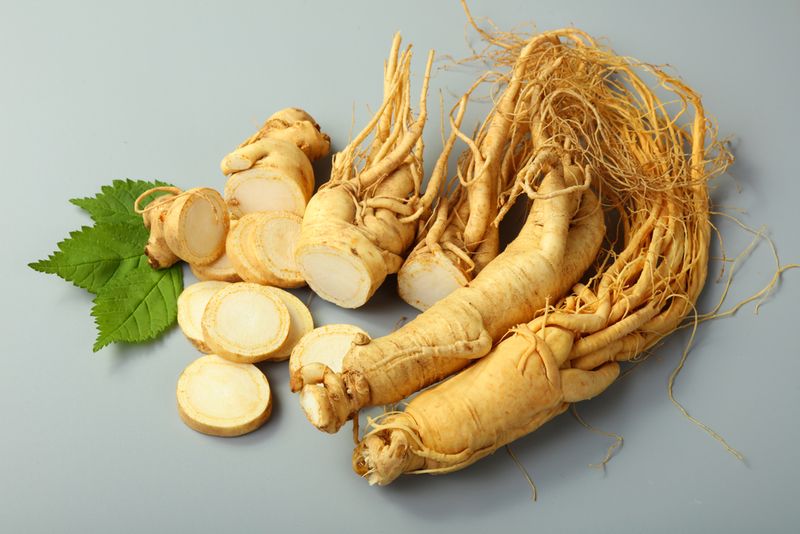
In the Japanese culinary and medicinal lexicon, ginseng is referred to as "ninjin." While commonly associated with Korean or Chinese traditional medicine, it has been integrated into Japanese health practices to bolster the immune system and enhance physical vitality. The primary active compounds in ginseng are ginsenosides, a class of saponins that exhibit potent anti-inflammatory and antioxidant properties.
Journalistic inquiries into the use of ginseng in Japan indicate that it is frequently consumed to mitigate the cognitive decline often associated with aging. By improving blood flow to the brain and protecting neural pathways from oxidative stress, ginseng supports memory and focus. Furthermore, its role as an adaptogen—a substance that helps the body manage stress—is crucial in a modern society where chronic stress is a known accelerator of cellular aging. The consistent use of ninjin is believed to provide a foundational "energy" or "ki" that sustains the elderly population in their daily activities.
2. Chrysanthemum Tea: The Floral Elixir for Circulation
While "ocha" (green tea) is the most famous Japanese beverage, Chrysanthemum tea holds a special place in the traditional wellness regimen. Known for its delicate floral notes and lack of caffeine, it serves as an ideal evening drink for those looking to improve their health without disrupting sleep cycles.
The health implications of Chrysanthemum tea are significant. It is rich in flavonoids and beta-carotene, which are essential for cardiovascular health. By promoting better blood circulation and reducing arterial inflammation, the tea supports heart health, a critical factor in Japan’s low rates of cardiovascular disease. Additionally, the high antioxidant content is often credited by dermatologists for its "inner-glow" effect, helping to maintain skin elasticity and a youthful appearance. For the Japanese population, this tea is more than a beverage; it is a ritualistic tool for detoxification and internal temperature regulation.
3. Kombu: The Mineral-Rich Foundation of Umami
Kombu, a type of bull kelp, is the bedrock of Japanese cuisine, forming the base of "dashi" (broth). Its contribution to longevity is multifaceted, primarily due to its status as a nutritional powerhouse. Kombu is exceptionally high in iodine, a mineral necessary for healthy thyroid function. A well-functioning thyroid regulates metabolism, energy production, and the repair of damaged cells throughout the body.
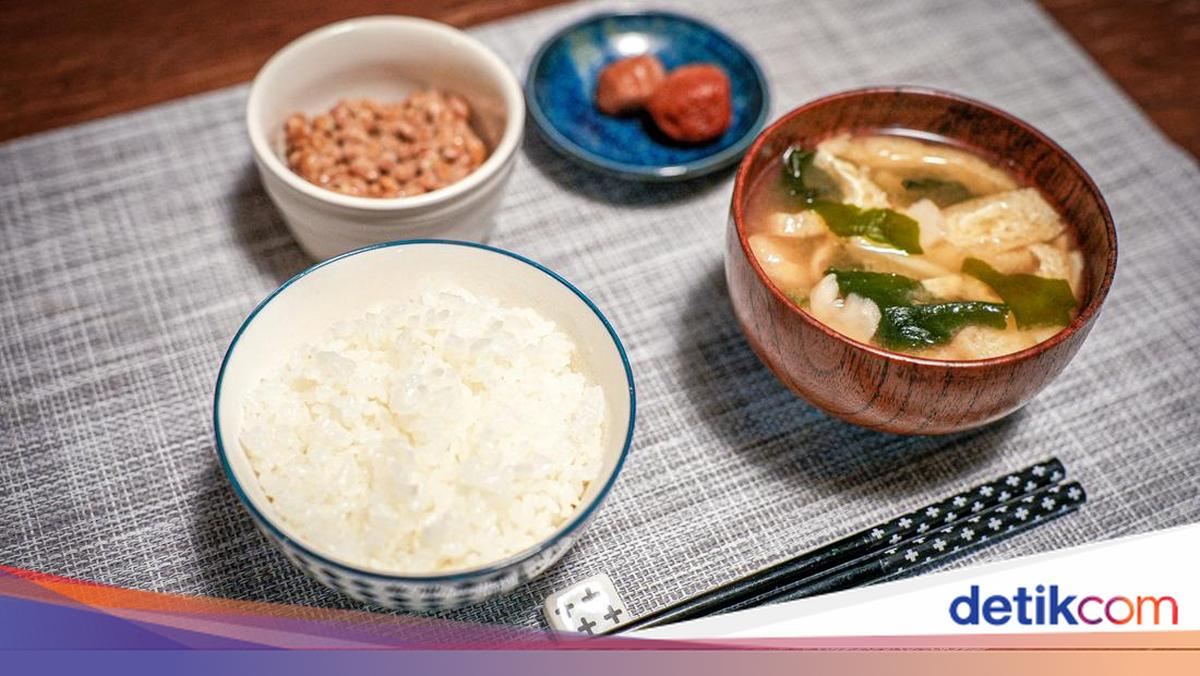
Scientific research into kombu has also identified "fucoidan," a complex polysaccharide found in brown seaweed. Fucoidan has garnered attention in the medical community for its potential anti-cancer and anti-inflammatory properties. By incorporating kombu into daily meals, the Japanese population maintains a steady intake of vitamins A, C, E, and K, alongside essential minerals like calcium and magnesium. This consistent mineral intake is a key factor in the high bone density and metabolic health observed in Japanese seniors.
4. Umeboshi: The Fermented Powerhouse of Alkalinity
Umeboshi, or salted fermented plums, are a staple of the Japanese bento box. Known for their intense sour and salty profile, these small fruits are celebrated for their ability to balance the body’s pH levels. Despite their acidic taste, umeboshi have an alkalizing effect on the body once metabolized, which is believed to neutralize the acidity caused by the consumption of meat and processed grains.
The fermentation process used to create umeboshi introduces beneficial probiotics that support gut health. In the context of longevity, a healthy microbiome is essential for nutrient absorption and immune defense. Historically, Japanese warriors consumed umeboshi to combat fatigue, a benefit attributed to the high citric acid content which helps break down lactic acid in the muscles. Today, it remains a popular remedy for digestive issues and a natural way to stimulate the liver in its detoxification processes.
5. Yuzu: The Citron of Radiance and Immunity
Yuzu is a distinct Japanese citrus fruit that resembles a small, bumpy lemon. While it is rarely eaten whole due to its sharpness, its zest and juice are ubiquitous in Japanese sauces, teas, and desserts. Yuzu is prized for its exceptionally high Vitamin C content—significantly higher than that of standard lemons.
The role of Vitamin C in collagen synthesis is well-documented, making yuzu a natural ally in the fight against skin aging. Beyond aesthetics, the essential oils found in yuzu peel, such as limonene, have been shown to improve blood circulation and reduce systemic inflammation. In many Japanese households, the "Yuzu-yu" (yuzu bath) is a traditional winter solstice practice, where whole fruits are floated in hot bathwater to ward off colds and invigorate the spirit, illustrating the cultural integration of this fruit into the national health consciousness.
6. Reishi Mushroom: The "Mushroom of Immortality"
Known in Japan as "Mannentake" or Reishi, this fungus has earned the moniker "mushroom of immortality" within traditional Eastern medicine. Unlike culinary mushrooms, Reishi has a woody texture and a bitter taste, leading it to be consumed primarily as an extract, powder, or tea.
The medicinal value of Reishi lies in its high concentration of beta-glucans and triterpenes. These compounds are known to modulate the immune system, providing a defense against chronic illnesses. Health analysts point to Reishi’s ability to support liver function and stabilize blood sugar levels as vital components of its longevity-boosting profile. Furthermore, Reishi is often used to treat insomnia and anxiety, promoting the deep, restorative sleep that is necessary for cellular regeneration.
7. Shiso: The Protective Leaf of Resilience
Shiso, or Perilla, is frequently seen as a decorative garnish for sushi and sashimi, yet its presence on the plate is far from merely aesthetic. This herb, available in both green (aojiso) and red (akajiso) varieties, possesses potent antimicrobial properties that historically helped prevent food poisoning from raw fish.
In terms of longevity, shiso is a rich source of rosmarinic acid, an antioxidant that combats oxidative stress and protects the body from environmental toxins. Its anti-inflammatory nature makes it particularly beneficial for individuals suffering from seasonal allergies or respiratory issues. By supporting digestive health and reducing internal inflammation, shiso helps maintain the "light" and energetic feeling that many Japanese elderly report as a key part of their well-being.
Supporting Data and Chronological Evolution of Japanese Health
The rise of Japan as a "super-aged" society did not happen overnight. In the early 1960s, Japan’s life expectancy was actually lower than that of many Western nations. The shift occurred through a combination of public health initiatives and a return to traditional dietary principles.
Data from the Ministry of Health, Labour and Welfare (MHLW) shows that as the Japanese diet became more diversified post-World War II, the integration of traditional herbs with modern nutritional science led to a dramatic drop in infant mortality and a steady increase in adult longevity. By the 1980s, Japan had overtaken the United States and Europe in life expectancy.
Analysis suggests that the "Japanese miracle" is also fueled by the concept of "Hara Hachi Bu"—the practice of eating until one is only 80% full. When combined with the nutrient-dense ingredients mentioned above, this caloric restriction further slows the aging process by reducing metabolic strain.
Expert Reactions and Global Implications
Global nutritionists have increasingly looked toward Japan to find solutions for the rising rates of lifestyle-related diseases in the West. Dr. Hiroshi Kikuchi, a specialist in geriatric medicine, notes that "the secret is not a single ‘superfood,’ but the synergy of these ingredients. The combination of fermentation (umeboshi), sea minerals (kombu), and adaptogens (reishi) creates a biological environment where the body can repair itself more efficiently."
The international community has taken note. The "Blue Zones" research, led by Dan Buettner, identified Okinawa, Japan, as one of the regions with the highest concentration of centenarians. The Okinawan diet, while slightly different from the mainland, shares the core reliance on seaweed, herbs, and fermented products.
Broader Impact and Future Outlook
The implications of Japan’s longevity are both a triumph and a challenge. As the population ages, the "Silver Tsunami" puts pressure on the national pension and healthcare systems. However, the health-conscious nature of the Japanese elderly means they often remain active and independent well into their 80s and 90s, reducing the immediate burden on long-term care facilities.
The global wellness industry has begun to capitalize on these Japanese secrets. Products like matcha, kombu snacks, and yuzu-infused supplements are now common in Western health stores. This cultural export serves as a factual testament to the efficacy of the Japanese diet. As the world faces an aging population, the "7 herbs and ingredients" of Japan offer a blueprint for not just living longer, but living better. The focus on prevention through nutrition, rather than just treatment through medication, remains the most profound lesson the world can learn from the Japanese example.