Socio Today
While cheese is globally recognized as a staple of European and Mediterranean diets, Indonesia possesses a rich, though often overlooked, tradition of dairy fermentation and cheesemaking that dates back centuries. Far from being a mere imitation of Western dairy products, Indonesian local cheeses represent a sophisticated intersection of indigenous knowledge, available natural resources, and regional biodiversity. From the volcanic highlands of South Sulawesi to the lush valleys of North Sumatra, these dairy products—ranging from the firm, grilled Dangke to the probiotic-rich Dadiah—demonstrate that the Indonesian archipelago has a dairy culture that rivaling the artisanal traditions of France or Italy.
The Landscape of Indonesian Dairy Heritage
The perception of Indonesia as a non-dairy-producing nation is a misconception rooted in the modern dominance of imported powdered milk. Historically, several Indonesian ethnic groups have integrated fresh milk from water buffaloes (Bubalus bubalis) and cows into their daily diets. Unlike European cheeses, which traditionally rely on animal rennet—an enzyme extracted from the stomachs of ruminant calves—Indonesian cheesemaking often utilizes botanical coagulants. The use of papaya latex (papain) or pineapple juice (bromelain) to curdle milk protein reflects a deep understanding of tropical biochemistry.
This indigenous approach to dairy processing was born out of necessity and environmental adaptation. In a tropical climate where fresh milk spoils rapidly, fermentation and curdling became essential preservation methods. Today, these traditional cheeses are gaining recognition not only as cultural artifacts but also as high-potential products for the burgeoning "gastro-tourism" industry and the global artisanal food market.
1. Dangke: The Buffalo Milk Treasure of Enrekang
Perhaps the most famous of Indonesia’s traditional cheeses is Dangke, a product synonymous with the Enrekang Regency in South Sulawesi. For generations, the people of Enrekang have processed buffalo and cow milk into a firm, white cheese that bears a striking resemblance to Halloumi or Queso Blanco.
The production of Dangke is a meticulous process. Fresh milk is heated to a specific temperature and mixed with a small amount of "getah pepaya" or papaya latex. The papain enzyme in the latex acts as a powerful natural coagulant, causing the milk proteins to clump together and separate from the whey. The resulting curds are then strained and molded, traditionally using coconut shells, which give Dangke its signature hemispherical shape.
According to local oral history, the name "Dangke" originated during the Dutch colonial era. Legend has it that when a Dutch official was served the cheese, he expressed his gratitude by saying "Dank u" (Thank you). The locals, misinterpreting the phrase as the name of the food, began calling the cheese Dangke. Beyond the legend, Dangke serves as a vital source of protein for the community. It is rarely eaten raw; instead, it is typically marinated in salt or garlic and then fried or grilled until the exterior is golden and crispy, while the interior remains soft and chewy.
2. Dali Ni Horbo: The "Batak Cheese" of North Sumatra
In the highlands surrounding Lake Toba, the Batak Toba people have their own version of cheese known as Dali Ni Horbo. This "buffalo milk" (which is the literal translation of its name) is a central component of Batak culinary identity and is frequently served during traditional ceremonies and family gatherings.

Dali Ni Horbo is distinct because it is primarily made from the milk of swamp buffaloes, which has a higher fat and protein content than bovine milk, resulting in a richer, creamier texture. To coagulate the milk, Batak artisans traditionally use the juice of young pineapples or the extract of mashed papaya leaves. The acidity of the pineapple or the enzymes in the papaya leaf creates a soft, silken curd that is often described as having the consistency of firm tofu or panna cotta.
The flavor profile of Dali Ni Horbo is unique—it carries the natural sweetness of buffalo milk with a subtle, vegetal undertone from the botanical coagulants. In a traditional Batak kitchen, it is often cooked with "arsik" spices, including andaliman (Sichuan pepper’s local relative), turmeric, and ginger, integrating the dairy product into the complex, spicy flavor palette of the region.
3. Dadiah: The Ancient Probiotic of West Sumatra
While Dangke and Dali Ni Horbo are often compared to cheese, Dadiah (or Dadih) from West Sumatra is frequently likened to a thick, fermented yogurt. However, its traditional preparation and firm texture place it firmly within the family of fermented dairy solids.
Dadiah is the result of spontaneous fermentation. Fresh buffalo milk is poured into hollowed-out bamboo tubes, which are then covered with banana leaves and left to sit at room temperature for two to three days. The natural bacteria present in the bamboo and the air trigger a fermentation process that thickens the milk into a smooth, custard-like consistency with a sharp, acidic tang.
Scientific studies conducted by Indonesian researchers have highlighted Dadiah’s significant health benefits. It is rich in lactic acid bacteria (LAB), which act as probiotics that improve gut health and boost the immune system. In Minangkabau culture, Dadiah is traditionally eaten for breakfast, mixed with "emping" (pounded dried rice) and palm sugar, or served as a side dish with hot rice and sambal. It represents a perfect example of how traditional Indonesian food processing aligns with modern nutritional science.
4. Boyolali Cheese: The Rise of Javanese Artisanal Dairy
Moving to Central Java, the town of Boyolali has long been nicknamed the "New Zealand of Java" due to its status as the island’s largest producer of fresh cow milk. Unlike the ancient traditions of Sumatra and Sulawesi, the cheesemaking industry in Boyolali is a blend of colonial influence and modern innovation.
In recent years, local cooperatives and entrepreneurs in Boyolali have moved beyond simply selling raw milk to producing high-quality European-style cheeses, such as Gouda, Mozzarella, and Cheddar, tailored to the local palate. These products are made using fresh milk from local Holstein-Friesian cows, ensuring a short supply chain and high nutritional value.
The development of Boyolali cheese has had a significant economic impact. By processing milk into cheese, local farmers can command a much higher price for their output compared to selling raw milk to large industrial processors. This transition has sparked a "dairy renaissance" in the region, with local cafes and "milk bars" becoming popular tourist destinations, showcasing the versatility of Javanese dairy.
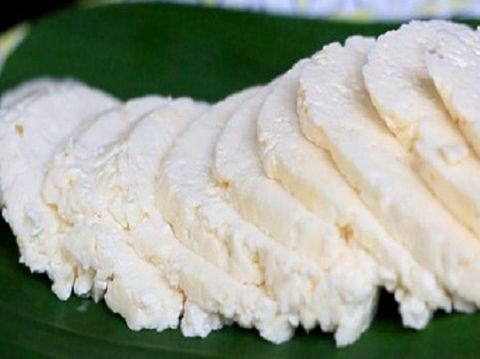
5. Lumajang Cheese: Innovation in East Java
Similarly, Lumajang in East Java has emerged as a hub for innovative dairy products. The region’s fertile volcanic soil provides excellent grazing land for dairy cattle, leading to a surplus of high-quality milk. Lumajang’s approach to cheese is often characterized by its integration into the snack food industry.
Local producers in Lumajang have specialized in creating cheeses that are optimized for the Indonesian "street food" market. These include varieties that are perfect for "Pisang Keju" (banana with cheese) or "Keju Aroma" (crispy cheese rolls). While some of these products lean toward industrial styles, there is a growing movement of small-batch producers focusing on natural fermentation and local ingredients. The Lumajang government has actively promoted these products as part of their "One Village, One Product" (OVOP) initiative, aiming to establish the region as a leader in food innovation.
Economic and Cultural Implications
The existence and revitalization of these five local cheeses carry profound implications for Indonesia’s food security and economic development. Currently, Indonesia remains heavily reliant on dairy imports from Australia, New Zealand, and the United States. By strengthening the local cheesemaking industry, the country can reduce this dependency while preserving its culinary heritage.
From a gastronomic perspective, these cheeses offer a "taste of place" (terroir) that cannot be replicated by industrial processes. The specific diet of the Enrekang buffaloes or the microflora in West Sumatran bamboo tubes creates flavors that are uniquely Indonesian. Food critics and chefs are beginning to take notice, with high-end restaurants in Jakarta and Bali starting to feature Dangke and Dadiah on their menus as a way to celebrate local ingredients.
Challenges and the Path Forward
Despite their potential, Indonesian local cheeses face several hurdles. Standardizing quality while maintaining traditional methods is difficult. Many of these cheeses have a short shelf life, and the lack of a robust cold-chain logistics network in rural areas limits their distribution to wider markets. Furthermore, the younger generation’s preference for Western-style processed cheese remains a challenge for the marketing of traditional varieties like Dali Ni Horbo.
To address these issues, government intervention in the form of "Geographical Indication" (GI) certifications is crucial. Such certifications would protect the names "Dangke" or "Dadiah," ensuring that only products made in their respective regions using traditional methods can use the labels. This not only protects the heritage but also adds premium value in the eyes of international consumers.
Conclusion
Indonesia’s five local cheeses—Dangke, Dali Ni Horbo, Dadiah, Boyolali Cheese, and Lumajang Cheese—are more than just food items; they are living testaments to the archipelago’s ingenuity. They prove that the art of curdling milk and aging cheese is a global human heritage, adapted beautifully to the tropical rhythms of Southeast Asia. As Indonesia continues to modernize, the preservation and promotion of these dairy treasures will be essential in defining the nation’s culinary future on the world stage. Whether it is the probiotic power of a bamboo-fermented Dadiah or the salty crunch of a fried Dangke, these local specialties offer a flavor profile that is truly "Tak Kalah dari Eropa"—not inferior to Europe, but uniquely and proudly Indonesian.