Socio Today
The global economic landscape is witnessing a fundamental shift in consumer behavior as millennial and Gen Z populations increasingly pivot away from traditional wealth markers, such as homeownership and automotive collection, in favor of what economists call the "Experience Economy." This paradigm shift identifies a growing trend where younger demographics view travel not merely as a luxury or a seasonal escape, but as a vital component of their personal identity and a primary vehicle for self-actualization. For these generations, the accumulation of cultural capital and unique memories is perceived as a more resilient and rewarding investment than the acquisition of depreciating physical assets.
The Evolution of Spending Patterns: From Assets to Experiences
Historically, the markers of adult success were clearly defined by the acquisition of a primary residence, a stable career path, and the accumulation of material goods. However, the socio-economic conditions of the 21st century—including the 2008 financial crisis, the subsequent rise of the gig economy, and the global COVID-19 pandemic—have reshaped the priorities of the modern workforce. Data from recent consumer sentiment reports indicate that nearly 74% of millennial consumers prioritize experiences over products. This shift is driven by a realization that while physical goods provide fleeting satisfaction, the psychological benefits of travel, such as increased empathy, cognitive flexibility, and reduced stress, offer long-term value.
The transition to a "travel lifestyle" is also heavily influenced by the democratization of information. In previous decades, international travel was often gatekept by high costs and a lack of accessible logistics. Today, the proliferation of low-cost carriers, home-sharing platforms like Airbnb, and digital navigation tools has lowered the barrier to entry. Consequently, traveling has evolved from a rare "once-in-a-lifetime" event into a sustainable lifestyle choice for those willing to navigate the complexities of modern mobility.
The Chronology of the Modern Travel Movement
The trajectory of travel as a lifestyle can be traced through several key phases over the last two decades. In the early 2010s, the rise of social media platforms, particularly Instagram, began to commodify "wanderlust," turning travel into a form of social currency. By 2015, the "Digital Nomad" movement gained traction, as advancements in cloud computing and remote communication allowed professionals to decouple their income from a specific geographic location.
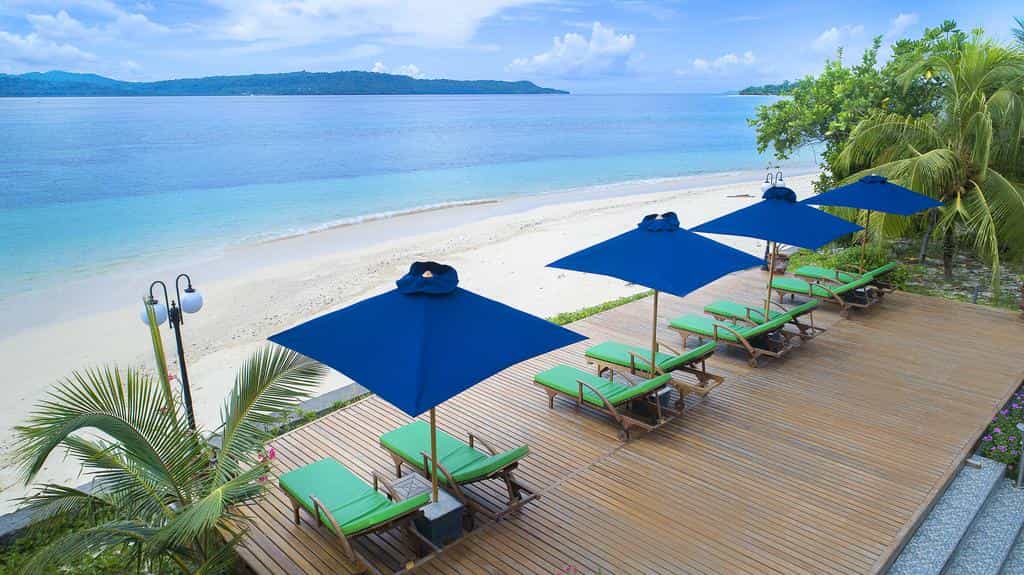
The most significant acceleration occurred in the post-pandemic era, beginning in 2022. Following years of lockdowns and restricted movement, "revenge travel" became a global phenomenon. However, what began as a temporary surge has matured into a permanent behavioral change. Market analysts observe that instead of returning to pre-pandemic saving habits, young professionals are increasingly "budget-splitting"—drastically cutting costs on daily expenses and material luxuries to fund frequent, high-impact travel experiences.
Psychological Drivers and Personal Development
The motivation behind the travel lifestyle extends beyond mere leisure; it is deeply rooted in a desire for personal growth and the pursuit of a "boundary-less" existence. Sociological studies suggest that modern generations use travel as a tool to escape the "echo chambers" of their home environments. By exposing themselves to diverse cultures, languages, and socio-economic realities, travelers develop a higher level of "Cultural Intelligence" (CQ), a trait that is becoming increasingly valuable in an interconnected global labor market.
Furthermore, the act of navigating unfamiliar territories fosters resilience. Unlike the predictable environment of a traditional office or home life, travel presents constant, low-stakes challenges that require problem-solving and adaptability. This process of overcoming obstacles in a foreign context is a significant contributor to the "self-discovery" mentioned by proponents of the lifestyle. It allows individuals to test their limits and refine their identities outside the expectations of their immediate social circles.
Strategic Pillars for Implementing a Travel Lifestyle
Adopting travel as a consistent lifestyle rather than a series of vacations requires a strategic approach to mindset and logistics. Experts and veteran travelers suggest several core pillars that are essential for a successful transition into this mode of living.
1. The Psychological Foundation: Determination and Courage
The transition begins with a shift in internal conviction. The primary obstacle for many is not financial, but psychological—the fear of the unknown and the societal pressure to conform to traditional milestones. Proponents of the travel lifestyle emphasize that one should not wait for an "ideal" level of savings to begin. Instead, the focus should be on "survivalist courage," which involves starting with current resources and learning to manage finances and logistics on the move. This proactive stance prevents the common pitfall of perpetual planning without execution.

2. Operational Flexibility: Embracing the Fluidity of Travel
A hallmark of the travel lifestyle is the ability to adapt to the "flow" of the environment. While traditional tourists often adhere to rigid itineraries, lifestyle travelers advocate for a balance between structure and serendipity. Over-planning can lead to stress and missed opportunities when local conditions—such as weather, transport delays, or unexpected cultural events—interfere with the schedule. By maintaining a flexible itinerary, travelers can engage more deeply with "local wisdom" and discover off-the-beaten-path experiences that are often more rewarding than standard tourist attractions.
3. Cultural Adaptation and Social Integration
To sustain travel as a lifestyle, one must move beyond the role of a passive observer. This requires a conscious effort to adapt to local customs, languages, and social norms. Successful lifestyle travelers are those who can integrate into various communities, even temporarily. This adaptability serves as a "survival mechanism" in foreign lands, making the journey smoother and more enriching. It also fosters a sense of global citizenship, as the traveler learns to navigate the world with respect and humility rather than a consumerist mindset.
Economic Implications and Market Responses
The shift toward a travel-centric lifestyle has profound implications for the global economy. The real estate market in many developed nations is feeling the impact as a significant portion of the "prime buyer" demographic chooses to rent or live mobilely rather than commit to long-term mortgages. This has led to the rise of "co-living" spaces and subscription-based housing models designed to cater to the mobile professional.
Simultaneously, the travel industry is being forced to innovate. There is a growing demand for "slow travel" options, eco-tourism, and experiences that offer "authentic" rather than curated interactions. Financial services are also adapting, with the rise of fintech companies offering multi-currency accounts and travel-optimized insurance products that cater specifically to the needs of the long-term traveler.
Industry analysts suggest that this is not a passing trend. "We are seeing a structural change in how wealth is defined," says a senior analyst at a global consumer research firm. "For the modern consumer, the ability to work from a cafe in Lisbon or a beach in Bali is a higher status symbol than owning a luxury sedan. This is forcing brands across all sectors to rethink how they provide value to a demographic that prizes mobility over stability."

Analytical Conclusion: The Long-term Impact on Society
The rise of the travel lifestyle represents a broader societal shift toward valuing intangible assets over tangible ones. While critics argue that this trend may lead to long-term financial instability for individuals who neglect traditional savings, proponents argue that the "investment in self" provides a different kind of security. In a rapidly changing world, the skills of adaptability, cross-cultural communication, and global networking acquired through travel may prove to be more "future-proof" than traditional assets.
As the world becomes increasingly digital and interconnected, the boundaries between work, life, and travel will likely continue to blur. The challenge for the future will be balancing this desire for global exploration with the need for environmental sustainability and the maintenance of local community structures. Ultimately, the travel lifestyle is a testament to the human spirit’s enduring desire for discovery—a drive that, for the modern generation, is worth more than any material possession. By prioritizing experiences, today’s travelers are not just seeing the world; they are actively participating in its evolution and redefining what it means to live a successful and meaningful life.