Socio Today
Nestled in the heart of Bogor, West Java, at Jalan Ir. H. Juanda Number 8, Hotel Salak The Heritage stands as a venerable monument to the colonial era, offering guests more than just luxury accommodation. With its distinct Dutch-Indies architectural style, the hotel serves as a tangible bridge between the past and the present, maintaining its reputation as one of the most historically significant landmarks in the region. Surrounded by the cool, refreshing climate of the Bogor highlands, the hotel provides a strategic base for both leisure travelers and history enthusiasts seeking proximity to the city’s most iconic cultural sites.
Historical Evolution: From Colonial Retreat to Modern Landmark
The narrative of Hotel Salak begins in 1856, a period marked by the expansive influence of the Dutch colonial administration in the Indonesian archipelago. Originally established as the Bellevue-Dibbets Hotel, the property was conceptualized as an elite lodging facility for Dutch officials, dignitaries, and members of the Vereenigde Oostindische Compagnie (VOC) who visited Bogor—or Buitenzorg, as it was known then—for official business or respite from the heat of Batavia.
The property was initially owned by the family of Governor-General Charles Ferdinand Pahud. Its design reflected the architectural sensibilities of the mid-19th century, characterized by high ceilings, thick masonry walls, and a layout designed to facilitate airflow—a vital feature for colonial structures in the tropical climate.
The hotel’s historical trajectory underwent a significant shift during the mid-20th century. With the onset of the Japanese occupation of Indonesia during World War II, the property was requisitioned by the Imperial Japanese Army. During this tumultuous period, the hotel was repurposed into a military headquarters, a common fate for grand colonial buildings during the conflict. The transition from a luxury hotel to a strategic military installation underscored the building’s importance in the geography of Bogor.
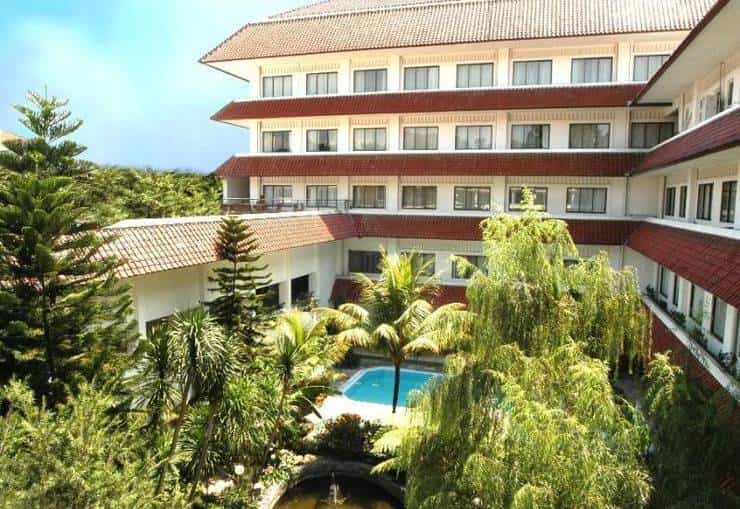
Following the declaration of Indonesian independence in 1945, the property transitioned through several administrative phases before eventually being renamed Hotel Salak. Over the subsequent decades, the hotel underwent various renovations, yet it has meticulously preserved its colonial facade and structural integrity, allowing it to function as a "living museum" that tells the story of the nation’s colonial transition to sovereignty.
Strategic Location and Proximity to Landmarks
The hotel’s location in Bogor is deliberate, situated within walking distance of the city’s most significant historical and ecological assets. Its proximity to the Bogor Botanical Gardens (Kebun Raya Bogor), located approximately 710 meters away, connects the hotel to the scientific legacy of the Dutch era. Other nearby landmarks include:
- Istana Bogor (550 meters): One of the six presidential palaces in Indonesia, originally the residence of the Governor-General of the Dutch East Indies.
- Museum Zoologi (630 meters): A renowned scientific institution housing a vast collection of Indonesian fauna, reflecting the 19th-century European interest in natural history.
- Taman Nasional Halimun Salak (520 meters): Providing a gateway to the region’s biodiversity and mountainous terrain.
This concentration of cultural and historical sites makes the hotel a primary choice for visitors looking to immerse themselves in the colonial history of Bogor.
Architectural Preservation and Modern Amenities
While the hotel prides itself on its heritage, it has undergone necessary modernizations to meet the standards of a four-star establishment. Today, the hotel features 140 rooms and 16 meeting rooms, blending 19th-century aesthetics with 21st-century functionality.
The management of Hotel Salak The Heritage has taken a balanced approach to its operations. The architecture remains a testament to Dutch colonial design, with preserved cornices, arched windows, and wide verandahs. However, the internal infrastructure has been upgraded to include high-speed wireless internet, climate-controlled rooms, and modern fire safety systems.
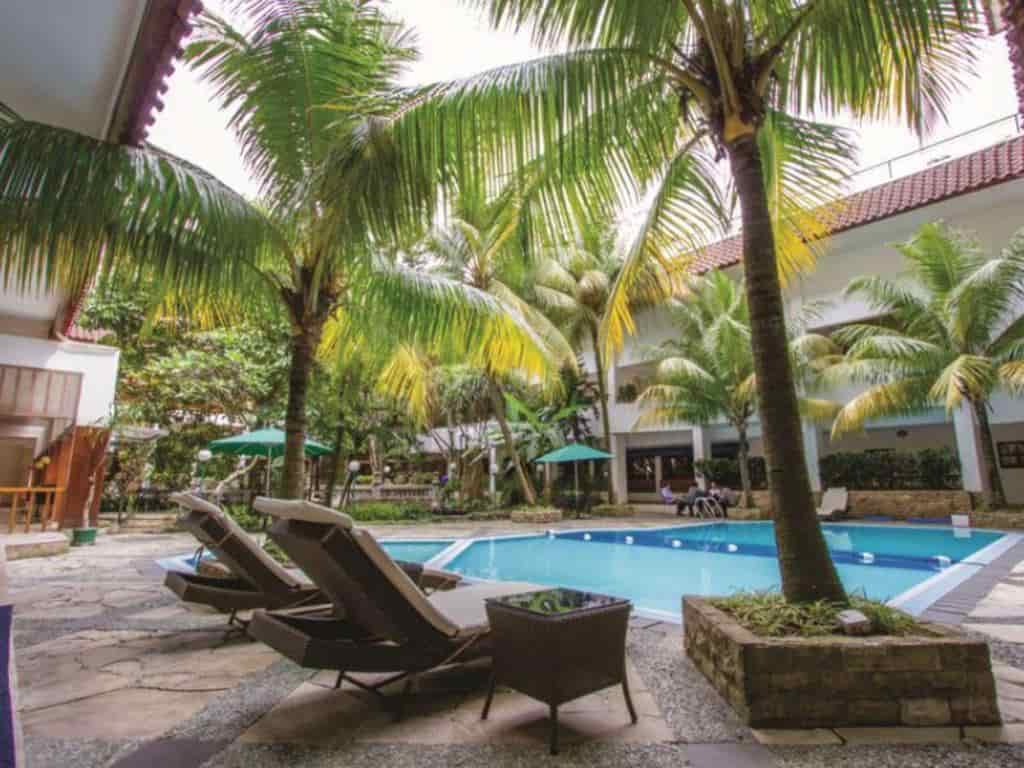
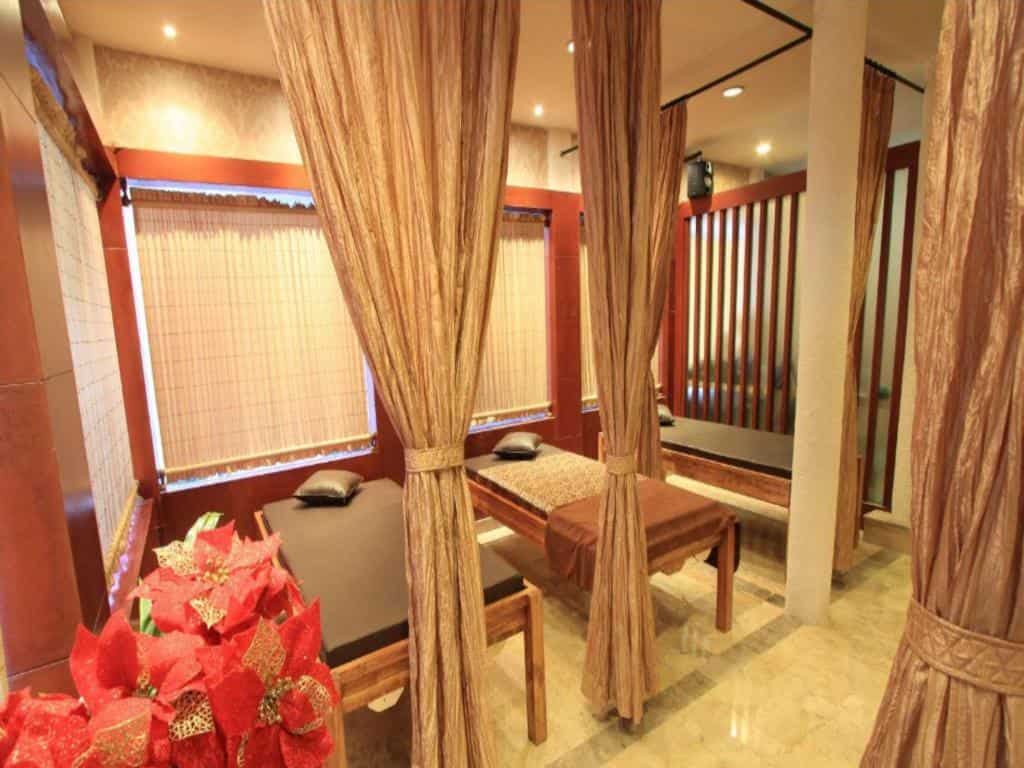
The hotel’s facilities cater to a diverse clientele. For leisure, guests can utilize a swimming pool, a fully equipped fitness center, a spa, and recreational options such as billiards and karaoke. The culinary offerings are equally robust, featuring a restaurant, a bar, and a dedicated coffee shop, often hosting local and international delegates for events. The hotel’s commitment to service is further evidenced by its 24-hour check-in policy and airport shuttle services, ensuring that it remains competitive in the modern tourism market.
Global Recognition and Diplomatic Significance
The prestige of Hotel Salak The Heritage reached international acclaim in 2006 during a state visit by the then-President of the United States, George W. Bush. In recognition of the hotel’s impeccable security protocols, logistical support, and high standard of service, the White House Communications Agency awarded the establishment a Certificate of Appreciation. This accolade serves as a marker of the hotel’s transition from a colonial-era accommodation to a modern, globally recognized venue capable of hosting high-level diplomatic missions.
This event highlighted the hotel’s ability to merge historical charm with modern security and operational requirements, a challenge for many heritage buildings. It solidified the hotel’s status as a premium venue for government meetings, conferences, and international delegations.
Economic and Cultural Impact
The hotel is more than a business entity; it acts as a cultural anchor for the city of Bogor. By preserving the original structure, the management contributes to the city’s conservation efforts. In an era where many colonial-era buildings in Indonesia have been demolished or significantly altered, Hotel Salak serves as a vital case study in adaptive reuse.
From an economic perspective, the hotel remains a major employer in the region. Its operations support the local supply chain, from food sourcing in the nearby mountainous areas to the employment of staff who are trained in international hospitality standards. Furthermore, the hotel’s consistent presence on digital booking platforms like Agoda, with prices starting from approximately Rp 509,171, ensures that it remains accessible to a broad demographic, from international researchers and diplomats to domestic tourists.
Analysis of Adaptive Reuse in Heritage Tourism
The success of Hotel Salak The Heritage illustrates the viability of heritage tourism in Indonesia. By marketing its "Heritage" status, the hotel leverages the growing trend of experiential travel, where guests prioritize the cultural narrative of their accommodation over standardized hotel designs.
However, the maintenance of such a structure carries inherent challenges. The preservation of original materials requires constant investment in restorative maintenance. The shift from a private colonial home for officials to a public space requires ongoing structural reinforcement to meet modern building codes without stripping the property of its historical character. The management’s ability to navigate these requirements is what keeps the hotel relevant in a market that is increasingly dominated by modern, minimalist chain hotels.
Conclusion
Hotel Salak The Heritage stands as a testament to the layers of history that define Bogor. From its inception as a colonial retreat in 1856 to its tenure as a wartime military headquarters and its current status as a premier four-star hotel, it has weathered the changing tides of Indonesian history. By successfully integrating the architectural elegance of the Dutch colonial period with the essential amenities of modern hospitality, the hotel provides a unique experience that satisfies the demand for both comfort and historical depth. As Bogor continues to evolve, Hotel Salak remains a pivotal landmark, preserving the past while providing the high-quality services expected by contemporary global travelers.