Socio Today
The development of Indonesia’s tourism industry is inextricably linked to the colonial era of the Dutch East Indies. Following the opening of the Suez Canal in 1869, the maritime route between Europe and the Indonesian archipelago was significantly shortened, catalyzing a surge in maritime trade and international travel. By the late 19th and early 20th centuries, steamships began arriving at major ports such as Batavia (Jakarta), Surabaya, and Belawan, carrying European travelers—often referred to as "tourists"—who sought to explore the exotic landscapes of the East. To accommodate this influx of travelers, the colonial administration and private investors initiated the construction of high-end hotels that mirrored the architectural styles and service standards of Europe, yet were adapted to the tropical climate. Today, many of these architectural landmarks remain in operation, serving as both luxury accommodations and living museums that chronicle the nation’s transformation from a colonial outpost to an independent sovereign state.
A Chronology of Hospitality and Architectural Legacy
The evolution of these hotels reflects the broader socio-political shifts in Indonesia. The early 20th century saw the rise of the "Grand Hotel" concept, designed primarily for the colonial elite and wealthy international travelers. These structures often utilized Art Deco, Indo-European, and Indische Empire styles. Following the Indonesian struggle for independence, many of these properties were nationalized or rebranded, transitioning from exclusive colonial enclaves to symbols of national pride. The following five properties represent the pinnacle of this historical preservation.
1. Hotel Indonesia Kempinski: A Monument to Post-Colonial Ambition
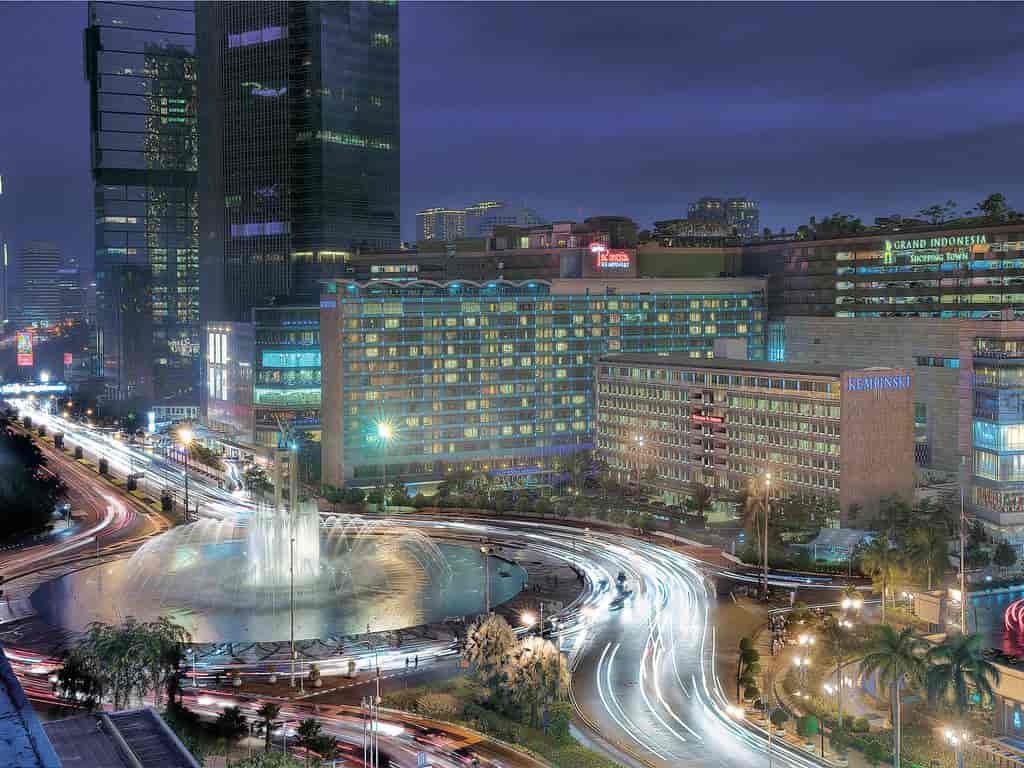
Located in the heart of Jakarta at the Bundaran HI, Hotel Indonesia Kempinski holds a unique position in the nation’s modern history. Unlike the older colonial-era hotels, this property was commissioned by President Sukarno as part of a grand vision to host the 1962 Asian Games. Constructed on land seized from Japanese wartime assets, it was officially inaugurated on August 5, 1962, as the first five-star hotel in the newly independent Indonesia.
The hotel was designed by American architect Abel Sorensen and his wife, Wendy, and was intended to project an image of a modern, confident Indonesia to the international community. Beyond its status as a luxury landmark, it has served as a center for diplomatic engagement. In March 2020, the hotel made headlines when it hosted King Willem-Alexander and Queen Máxima of the Netherlands during their state visit to Indonesia. To ensure the safety of the royal guests, the hotel provided high-security suites equipped with bulletproof glass, demonstrating that the property maintains its relevance as a premier venue for global dignitaries more than half a century after its inception.
2. Hotel Majapahit Surabaya: The Cradle of Revolutionary Spirit
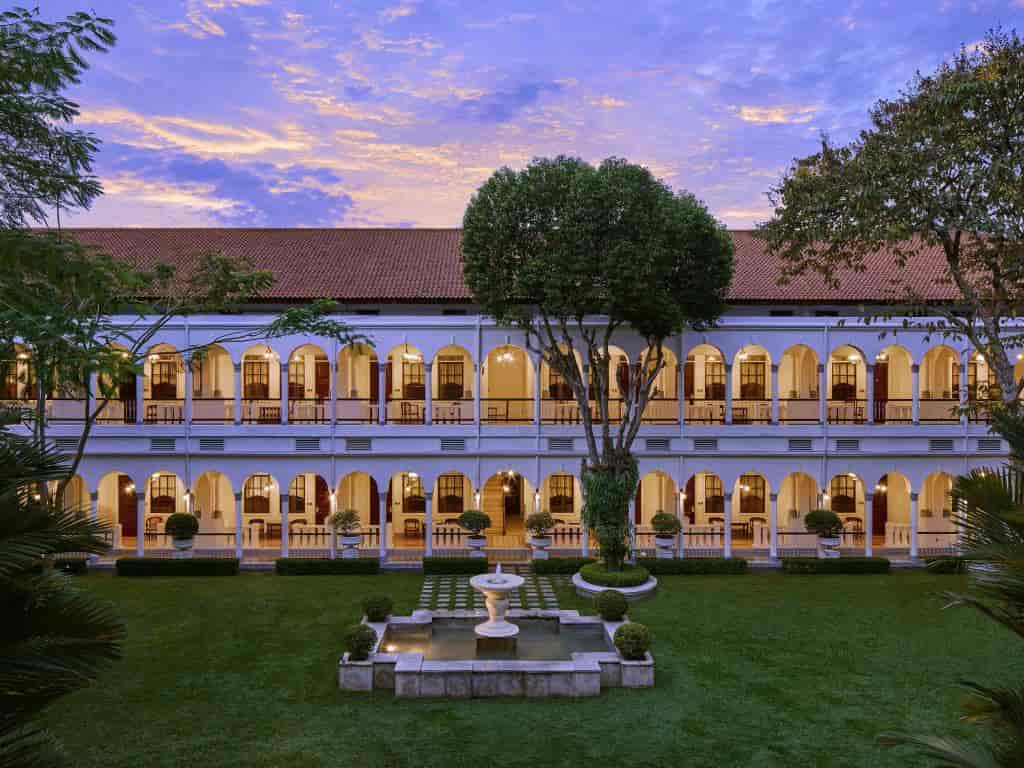
Formerly known as Hotel Oranje and later Hotel Yamato during the Japanese occupation, the Hotel Majapahit in Surabaya is arguably the most significant site regarding the physical history of Indonesia’s independence. Established in 1910 by the Sarkies brothers—renowned hoteliers of Armenian descent who also founded the Raffles in Singapore—the hotel is a masterpiece of colonial architecture.
The hotel is forever etched into the national consciousness due to the "Hotel Yamato Incident" on September 19, 1945. Following the proclamation of independence, tension escalated when Dutch citizens raised the Dutch tricolor flag at the hotel. Local youth, enraged by the act, stormed the building and famously tore off the blue stripe of the flag, leaving only the red and white—the colors of the Indonesian banner. This act of defiance sparked the Battle of Surabaya in November 1945. Today, the hotel preserves its historical aesthetic while functioning as a luxury property, serving as a reminder of the sacrifice required to reclaim national sovereignty.
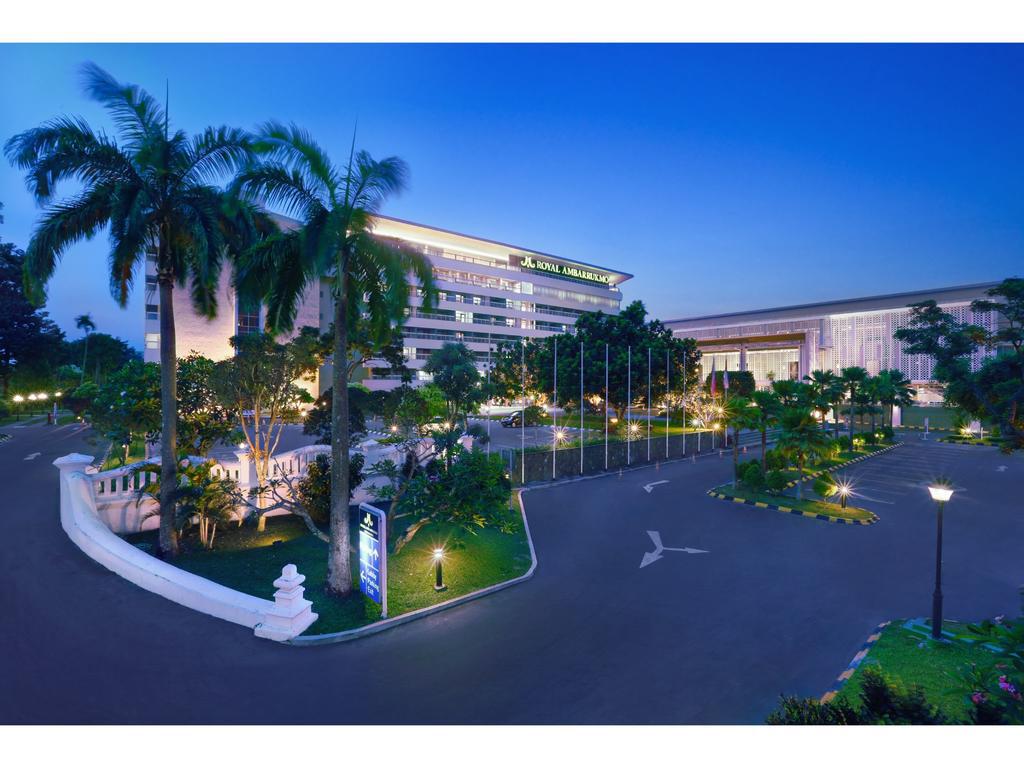
3. Royal Ambarukmo Yogyakarta: A Royal Sanctuary
Situated in the Special Region of Yogyakarta, the Royal Ambarukmo occupies the former grounds of the Sultan’s palace. Originally built by Sultan Hamengku Buwono VII as a residence, the property was transformed into a modern hotel in the 1960s. Its significance is rooted in the strategic decision by President Sukarno to develop international-standard hotels in major cultural centers to promote tourism.
In 1966, the property was designated as one of the four cornerstone hotels of the nation’s nascent tourism strategy. The hotel integrates Javanese cultural heritage with modern luxury, featuring extensive gardens, traditional architecture, and world-class amenities. Its continued operation highlights the successful fusion of traditional royal heritage with the commercial demands of the hospitality industry.
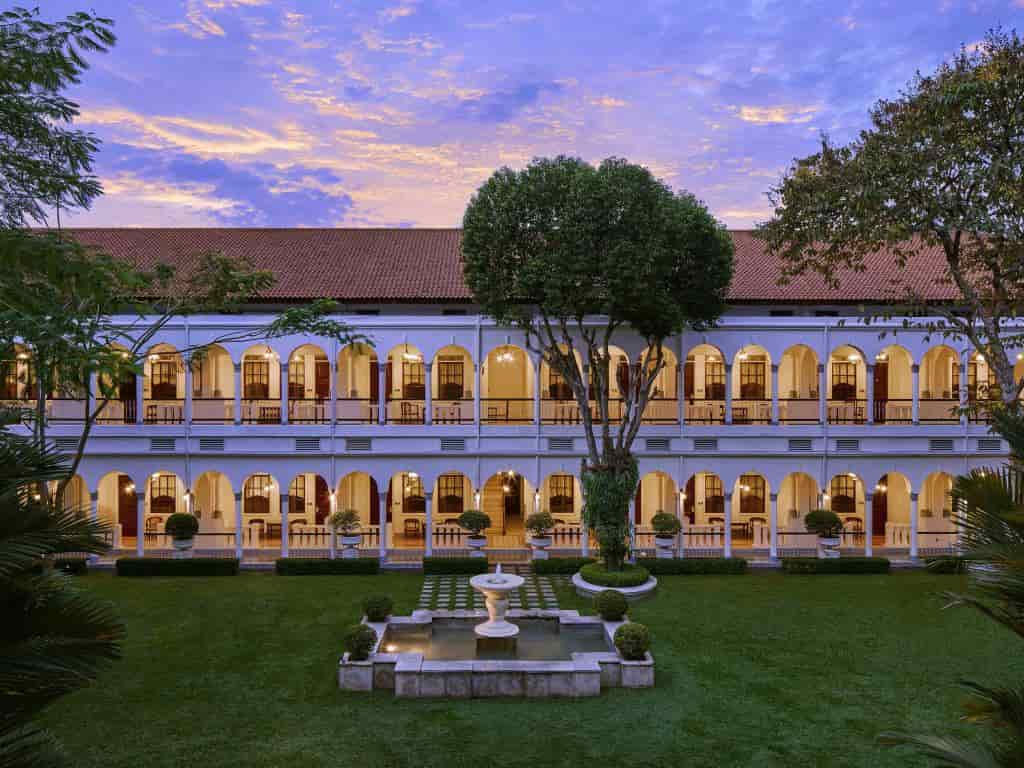
4. Hotel Savoy Homann: The Art Deco Gem of Bandung
Located on Jalan Asia-Afrika in Bandung, the Hotel Savoy Homann is a quintessential example of Art Deco architecture. The building was redesigned in 1939 by architect Albert Aalbers, who utilized the concept of "ocean waves" to create the hotel’s distinctive, flowing façade. The hotel became a social hub for the colonial elite, famous for its rijsttafel (a Dutch-Indonesian elaborate meal service) and its association with the Homann family, who were prominent figures in the local hospitality scene.
The hotel gained international fame when it hosted various world leaders during the 1955 Asian-African Conference, an event that cemented Bandung’s place in global political history. Notably, the legendary actor Charlie Chaplin was among the hotel’s early guests, underscoring its reputation as the most prestigious address in the "Paris of Java" during the mid-20th century.
5. Inna Bali Heritage Hotel: The Pioneer of Island Tourism
Opened on August 22, 1927, the Inna Bali Heritage Hotel in Denpasar marked the birth of tourism on the island of Bali. During the 1920s, the Koninklijke Paketvaart-Maatschappij (KPM) shipping line began regular steamship services to Bali, bringing curious Western travelers to the island. Recognizing the need for suitable accommodation, the colonial government facilitated the development of this hotel.
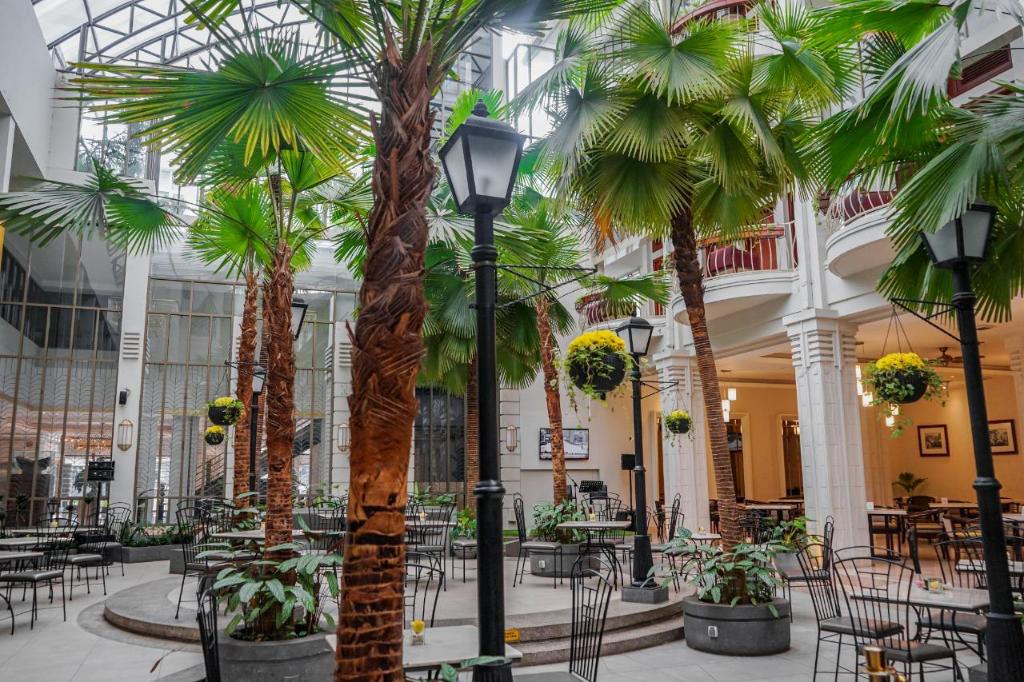
While Bali is now known for its massive resort industry, the Inna Bali Heritage remains a symbol of the island’s initial integration into the global travel network. Its architecture is a blend of Balinese aesthetics and colonial design, featuring open-air courtyards and traditional craftsmanship. Despite the passage of nearly a century, the property remains a functional hotel, offering a glimpse into the era when Bali first began its transition into the world’s most famous tourist destination.
Economic and Cultural Implications
The continued operation of these historic hotels provides significant value to the Indonesian economy, not only through direct tourism revenue but also through the preservation of cultural heritage. These structures serve as physical evidence of the historical narratives that have shaped the nation.
Analysis of the current hospitality market indicates that "heritage tourism" is a growing segment. Guests increasingly seek authentic experiences, and the ability to stay in a building that has hosted monarchs, revolutionaries, and global icons offers a unique value proposition that modern, generic hotel chains cannot replicate. Furthermore, the upkeep of these buildings serves a dual purpose: it maintains the aesthetic appeal of the cities they occupy and ensures that the craftsmanship of the colonial and early independence periods is not lost to modernization.
However, operating these sites is not without challenges. High maintenance costs, the necessity of complying with modern safety regulations, and the constant need to upgrade technological infrastructure while preserving historical integrity require significant investment. Despite these hurdles, the management of these hotels, often supported by government-linked hospitality groups or major international chains like Kempinski, continues to prioritize preservation.
Conclusion
The historic hotels of Indonesia are more than just providers of lodging; they are enduring monuments that bridge the gap between the past and the present. From the revolutionary walls of the Hotel Majapahit to the regal halls of the Royal Ambarukmo, these establishments continue to offer a unique window into the colonial era and the subsequent birth of a new nation. As Indonesia continues to expand its tourism sector, these historic assets remain vital, ensuring that the stories of the past continue to be told to the travelers of today.