Socio Today
In the heart of Nuremberg, Germany, the rhythmic clatter of sewing machines and the precise movements of artisans offer a window into a living piece of history. The Dirndl, an iconic garment synonymous with the Bavarian Alpine region, remains a centerpiece of German cultural identity. While the global fashion industry continues to shift toward fast-fashion mass production, a dedicated community of tailors in Bavaria is steadfast in its commitment to the meticulous, time-honored craft of creating these traditional dresses. This preservation effort is not merely about garment construction; it is a deliberate act of cultural guardianship designed to ensure that the heritage of the region survives the encroachment of modern manufacturing.
The Anatomy and Significance of the Dirndl
The Dirndl is far more than a simple dress; it is a complex assembly of historical significance, social signaling, and regional pride. Traditionally consisting of a bodice, a blouse, a full skirt, and an apron, the garment’s origins can be traced back to the 19th century. Initially worn as practical work attire by Alpine peasants, the Dirndl underwent a romanticized transformation in the late 1800s, becoming a staple of the bourgeoisie and eventually evolving into the quintessential costume for festivals such as Oktoberfest.
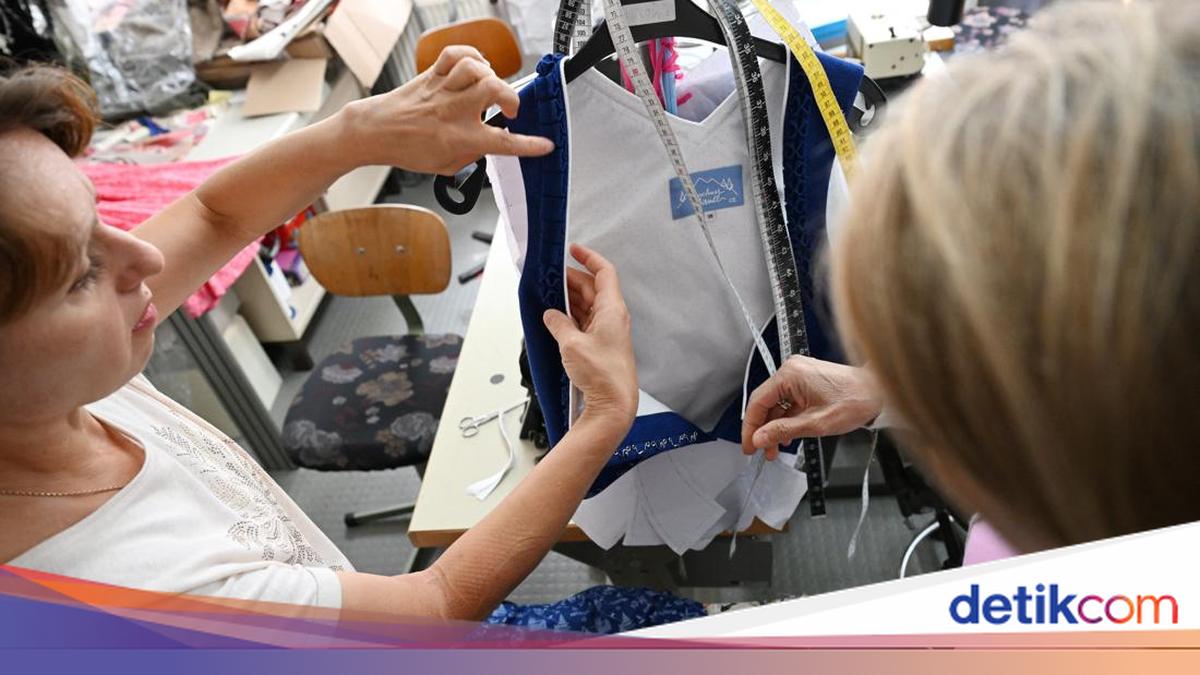
Every element of the dress serves a purpose. The cut of the neckline, the choice of fabric—often high-quality cotton, linen, or silk—and the intricate embroidery on the bodice can signify the wearer’s regional origin or social status. Modern tailors, such as those operating in workshops throughout Nuremberg, must balance these historical requirements with the demands of contemporary comfort. The process of creating a single bespoke Dirndl can take anywhere from several days to weeks, depending on the complexity of the design and the intricacy of the hand-finishing work required.
A Chronology of Craft: From Pattern to Piece
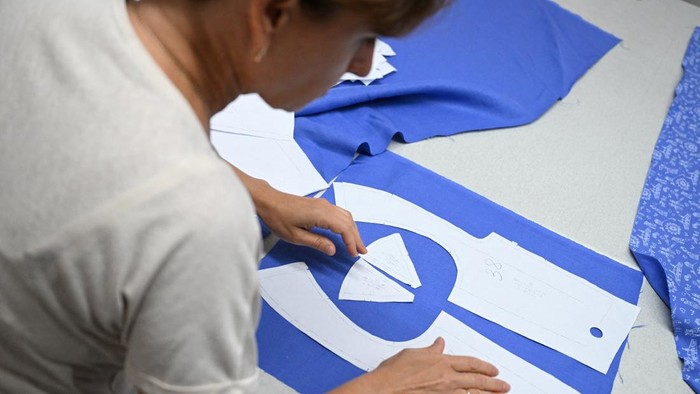
The manufacturing process in a professional atelier is a rigorous sequence of specialized tasks. It begins with the selection of textiles, where artisans must choose materials that respect the traditional aesthetic while providing durability. Once the fabric is chosen, the master tailor drafts a pattern tailored to the specific measurements of the client. Unlike ready-to-wear clothing, the Dirndl relies on a precise fit to maintain its silhouette.
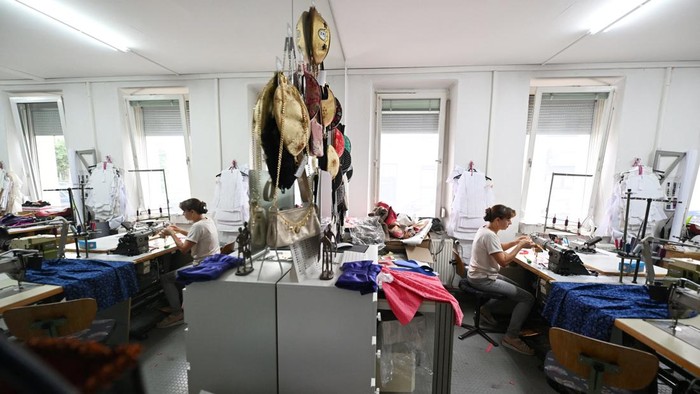
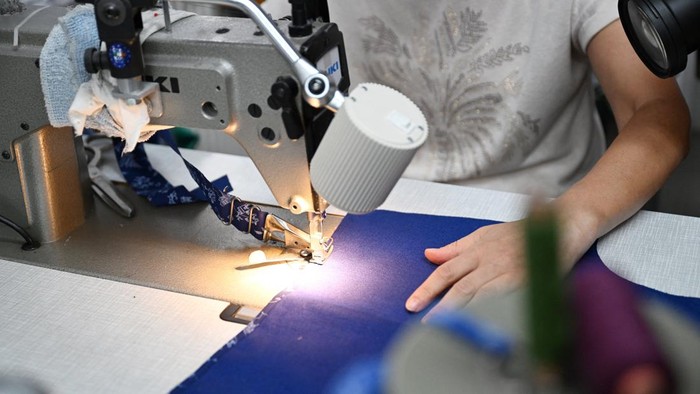
Following the drafting phase, the fabric is cut with surgical precision. This is a stage where errors are costly and often irreversible. The sewing phase, which incorporates both heavy-duty industrial machinery for structural seams and delicate hand-stitching for finishing touches, requires immense concentration. In workshops like the one in Nuremberg, artisans spend hours ensuring that the bodice sits perfectly against the torso and that the weight of the skirt is distributed evenly. The final stage involves the attachment of the apron and the application of traditional embellishments, such as silver hooks or decorative ribbons, which serve as the final signature of the piece.
Economic and Cultural Context
The production of traditional Bavarian attire is a significant contributor to the regional economy. Estimates from trade associations indicate that the demand for authentic, high-quality Tracht (traditional clothing) remains robust, even as cheaper, imported imitations flood the market during peak festival seasons. While low-cost alternatives satisfy the casual tourist, the market for "echt" (authentic) Dirndls continues to thrive among locals and collectors who view the garment as an investment piece.
This sector provides employment for hundreds of skilled tailors, seamstresses, and embroidery experts across Bavaria. Furthermore, it supports a supply chain of local textile producers, hardware manufacturers (who provide the metal components), and lace makers. The resilience of this industry is a testament to the German appreciation for "Handwerk"—a cultural concept that prizes manual labor and craftsmanship as the highest form of professional accomplishment.
Challenges in the Modern Era
Despite its popularity, the traditional Dirndl industry faces existential challenges. The primary obstacle is the scarcity of young apprentices willing to dedicate years to mastering the complex techniques required for traditional tailoring. As the older generation of masters retires, there is a palpable fear of a "skills gap" that could lead to the loss of specific regional techniques.
Moreover, the influx of mass-produced, synthetic Dirndls from overseas has created a price disparity that complicates the survival of artisanal workshops. These mass-market garments are often produced with little regard for the cultural nuances of the regional styles they mimic. Industry advocates argue that educating the consumer is the only way to combat this. By emphasizing the sustainability, durability, and historical authenticity of handmade garments, these tailors are attempting to pivot the narrative from price-based consumption to value-based appreciation.
The Role of Heritage Preservation
Governmental bodies in Bavaria have increasingly recognized the Dirndl as an intangible cultural asset. Efforts are being made to promote "Tracht" as a living tradition rather than a museum artifact. This includes subsidies for workshops that provide vocational training and the promotion of events that celebrate the diversity of regional costumes. By integrating the Dirndl into the modern lifestyle—beyond the confines of festival grounds—the industry hopes to keep the craft relevant for future generations.
Experts in cultural sociology note that the resurgence of interest in traditional dress often occurs during times of rapid globalization. As people feel the pressure of a homogenized culture, the adoption of regional markers, such as the Dirndl, serves as an anchor for identity. The dress functions as a bridge between the past and the present, allowing the wearer to participate in a collective history while expressing individual style.
Implications for Future Fashion
The future of the Dirndl industry likely lies in a hybrid model that respects tradition while embracing modern supply chain efficiencies. Some high-end ateliers are experimenting with sustainable, locally sourced organic fabrics, appealing to the growing demographic of environmentally conscious consumers. By marketing the Dirndl as a "slow fashion" icon, artisans are finding new audiences who value ethical production and long-term wearability over the fleeting trends of the high street.
As the industry looks toward the next decade, the success of these Nuremberg-based workshops will serve as a bellwether for traditional crafts across Europe. If the Dirndl can maintain its prestige and market share, it will provide a blueprint for other regional industries to protect their heritage. The meticulous work of artisans like the ones currently operating in Nuremberg is not just about keeping a dress alive; it is about maintaining a tactile connection to a history that continues to define the spirit of Bavaria.
Conclusion
The Dirndl remains a symbol of resilience, craftsmanship, and cultural pride. From the careful selection of high-quality fabrics to the final, delicate stitch, the process of creating this iconic dress is a labor of love that honors the past. While the industry faces significant hurdles—ranging from labor shortages to the pressure of globalized fashion markets—the dedication of those working in the trade suggests that the Dirndl will continue to be a vital part of the German landscape for years to come. By supporting these artisans, consumers are not merely purchasing a garment; they are participating in the ongoing preservation of a cultural legacy that has survived for centuries and continues to evolve, one stitch at a time.