Socio Today
The landscape of Indonesia’s culinary industry is witnessing a notable shift as established professionals increasingly look beyond the metropolitan saturation of Jakarta to develop regional food scenes. Chef Amanda Arum, a recognizable figure in the culinary world, has officially marked her return to her hometown of Magelang, Central Java, with the inauguration of her new business, Rame Mie & Coffee Shop. The establishment, located at the strategic Jalan Simpang 4, represents more than a simple restaurant opening; it serves as a testament to a growing trend of decentralizing high-quality culinary experiences and investing in local economic growth.
A Strategic Relocation from the Capital
The decision to establish a presence in Magelang rather than expanding within the highly competitive Jakarta market has drawn considerable attention from fans and industry observers. In an era where culinary prestige is often associated with the capital city, Chef Amanda’s choice highlights a desire for sustainable impact and personal connection.
Addressing the inquiries regarding her location strategy, Chef Amanda shared her perspective via her official social media channels on September 15, 2026. She articulated that the move was rooted in the philosophy of giving back to the community that fostered her early development. "For some, returning home is not just about revisiting a childhood residence; it is about bringing back a piece of the knowledge and experience we have fought to gain elsewhere," she stated. Her narrative underscores a broader trend where culinary professionals are seeking to bridge the gap between urban culinary standards and regional market accessibility.

The Business Model of Rame Mie & Coffee Shop
Rame Mie & Coffee Shop operates on a hybrid model, combining the casual, high-volume appeal of a noodle house with the social atmosphere of a coffee shop. By selecting a location at a prominent intersection in Magelang, the business aims to capture both local foot traffic and the growing tourism sector in Central Java, which benefits from its proximity to major cultural landmarks like Borobudur.
From a business development standpoint, the project is designed to be scalable. Chef Amanda has maintained a measured approach, acknowledging that the venture is in its nascent stage. She noted that the establishment is not merely a commercial pursuit but an ongoing learning process. By starting with a focus on local ingredients and regional preferences, the shop intends to serve as a reliable employer, providing job opportunities to the local youth and community members. This aligns with the government’s push to strengthen the MSME (Micro, Small, and Medium Enterprises) sector, which remains the backbone of the Indonesian economy.
Economic Context and Regional Development
The move to open a business in Magelang is supported by favorable economic indicators for Central Java. In recent years, the province has seen an uptick in infrastructure development and domestic tourism, making it an increasingly attractive destination for culinary investments. According to the Ministry of Cooperatives and SMEs, regional business development is crucial for reducing the economic disparity between Java’s major urban centers and its smaller, satellite cities.
Chef Amanda’s initiative mirrors a larger pattern observed among Indonesian entrepreneurs who are shifting their focus toward "hometown entrepreneurship." This model offers several advantages:

- Lower Operational Costs: Compared to the exorbitant commercial rent and overheads in Jakarta, provincial areas offer more manageable financial barriers for entry.
- Community Integration: By establishing a brand in a smaller city, owners often benefit from stronger community loyalty and lower marketing costs due to high word-of-mouth engagement.
- Supply Chain Efficiency: Sourcing ingredients from local farmers in Central Java allows for fresher produce and a reduced carbon footprint, which is becoming an increasingly important factor for modern, socially-conscious consumers.
Chronology of the Transition
The timeline leading to the opening of Rame Mie & Coffee Shop suggests a carefully planned exit from the frenetic pace of Jakarta. Throughout early 2026, rumors circulated within the culinary community regarding Chef Amanda’s reduced public presence in Jakarta’s high-end dining circuit. By the second quarter of 2026, reports emerged that the chef had begun scouting locations in Central Java.
The transition reached its culmination in mid-September 2026, when final renovations were completed and the menu was finalized. The soft opening served as a quiet testament to her transition, prioritizing the local Magelang demographic over the media spectacle typically associated with celebrity-led restaurant openings in Jakarta.
Industry Implications and Future Outlook
The entry of high-profile chefs into regional markets often acts as a catalyst for other businesses. When a recognized culinary expert invests in a smaller city, it signals to investors and suppliers that the region possesses the infrastructure and consumer base to support premium service offerings.
Industry analysts suggest that this trend could lead to a "Culinary Decentralization," where the quality of food service in cities like Magelang, Yogyakarta, and Solo begins to rival the standards found in Jakarta. This is beneficial for local economies, as it helps retain local talent who might otherwise feel compelled to migrate to the capital to pursue a career in hospitality.
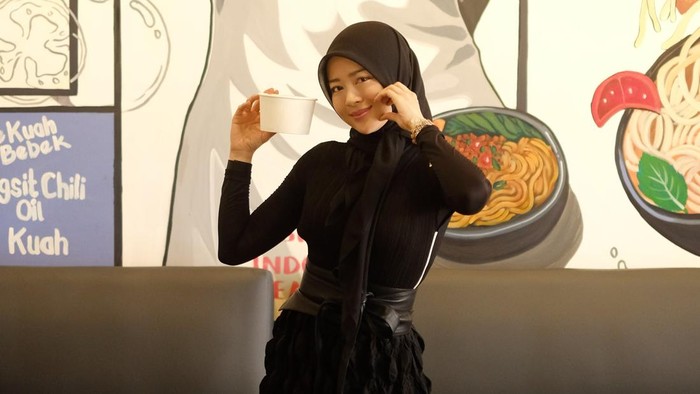
Furthermore, Chef Amanda’s emphasis on the "social impact" of her business—specifically her goal to create jobs—addresses a pressing need in the region. Unemployment among the youth remains a challenge in Central Java, and the establishment of sustainable service-sector businesses provides a practical, immediate solution for local workforce development.
A Personal Commitment to Growth
Despite the professional success she has achieved, Chef Amanda maintains a humble outlook. In her reflections, she expressed that she does not yet know the ultimate trajectory of this venture. Her stated goal is to provide a platform that benefits her family and her community, rather than chasing rapid, short-term profit.
"I don’t know how big this will grow," she wrote. "I am still learning, still experimenting, and there are many things to improve. But I want to start it here. Slowly, from my own hometown. I hope this becomes a source of sustenance for me and my family, but also an opportunity for those around me."
This approach reflects a shift toward "purpose-driven entrepreneurship." In a global market often fixated on the growth-at-all-costs model, the decision to prioritize stability and community benefit is gaining traction. As Rame Mie & Coffee Shop begins its operations, the local community in Magelang stands to gain not only a new dining destination but also a model for how professional expertise can be reinvested into regional development.
Conclusion
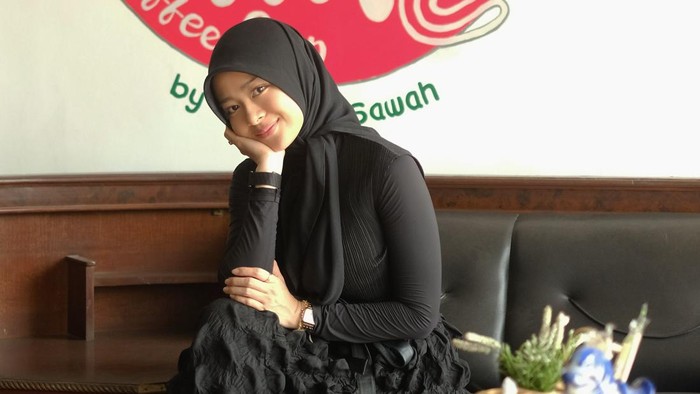
Chef Amanda Arum’s relocation to Magelang is a clear signal that the future of Indonesia’s culinary industry is not confined to the skyscraper-lined streets of Jakarta. Through the opening of Rame Mie & Coffee Shop, the chef is demonstrating that long-term success can be achieved through a balance of professional rigor and deep-rooted community commitment. As she continues to refine her operations, the industry will be watching to see how this experiment in regional development evolves, potentially setting a blueprint for other professionals looking to balance high-level culinary expertise with the desire to build a legacy in their home territories.
The success of such a venture remains contingent on the continued support of the local community and the ability of the business to maintain quality standards in a non-urban environment. However, given the current momentum in Central Java’s economic sector, the prospects for Rame Mie & Coffee Shop appear promising. As the business settles into its rhythm at the Jalan Simpang 4 intersection, it stands as a quiet yet significant milestone in the ongoing narrative of Indonesian culinary evolution.