Socio Today
Jakarta — Witnessing a cherished feline companion age or battle a severe illness is an emotionally taxing journey for any pet owner. Frequently, humans misinterpret early symptoms of distress, only recognizing a critical problem when the animal has grown severely frail or experienced a profound physical shift. Understanding the physiological and behavioral markers associated with the final stages of a cat’s life is essential not only for mental and emotional preparedness but also for ensuring humane end-of-life care. Recognizing these signals allows owners to consult veterinarians promptly, manage pain effectively, and provide dignity during a cat’s final days.
Veterinary experts emphasize that while cats are notorious for masking illness—an evolutionary survival mechanism inherited from their wild ancestors—the end-of-life phase introduces distinct, unmistakable changes. Far from functioning as mere speculation, clinical observations documented by organizations such as Cats.com and Daily Paws outline a predictable trajectory of feline decline.
The Physiological Progression of Feline Decline
The timeline leading up to the end of a cat’s life varies significantly depending on the underlying cause, whether it is advanced age, chronic kidney disease, feline immunodeficiency virus (FIV), cancer, or multi-organ failure. However, the biological shutdown typically follows a consistent path characterized by progressive lethargy, metabolic failure, and behavioral withdrawal.
In the early stages of a terminal decline, owners often notice a subtle drop in activity levels. While domestic cats naturally sleep between 16 to 20 hours a day, geriatric or terminally ill felines exhibit an extreme, uncharacteristic lethargy. This manifests as a reluctance to jump onto elevated surfaces, difficulty standing, or a complete lack of response to external stimuli that would normally provoke curiosity. Clinical studies on feline geriatric care indicate that loss of coordination, specifically hind-quarter weakness or dragging of the rear legs, frequently points toward neurological degradation, severe arthritis, or electrolyte imbalances.
Simultaneously, a drastic and unexplained loss of body weight serves as a glaring red flag. As metabolic processes slow down and vital organs fail, appetite diminishes entirely. Chronic conditions such as renal failure lead to a buildup of toxins in the blood—a state known as uremia—which causes severe nausea, loss of appetite, and a characteristic chemical odor to the breath.
Behavioral Shifts and Instinctive Isolation
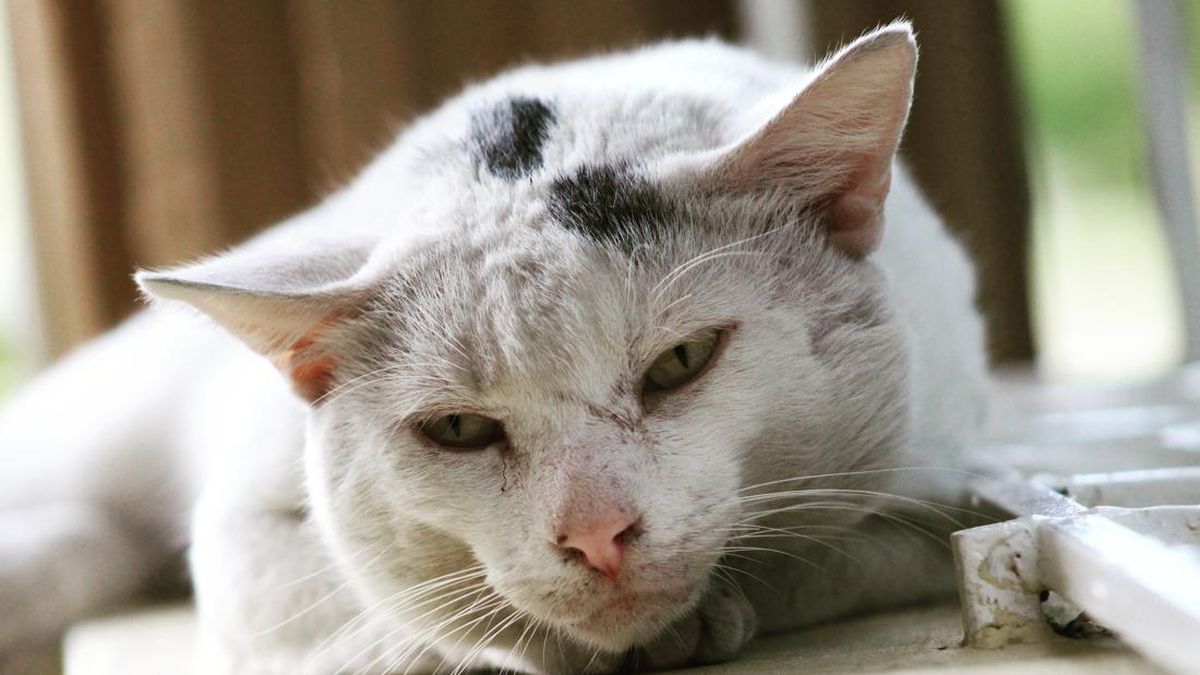
Beyond physical wasting, the behavioral profile of a dying cat undergoes a dramatic transformation. One of the most prominent clinical indicators documented by veterinary behaviorists is profound social withdrawal, commonly referred to as the instinct to hide. In the wild, vulnerable or dying animals instinctively distance themselves from the group to avoid attracting predators or exposing the pack to danger. Domestic cats retain this primal instinct. When facing the end of their lives, they frequently seek out dark, secluded areas—such as beneath beds, inside closets, or behind furniture—and refuse to emerge even when coaxed with favorite meals or called by their human caregivers.
Conversely, some felines display the opposite behavioral anomaly, exhibiting sudden, intense clinginess or constant vocalization, particularly during nighttime hours. Veterinarians attribute this to disorientation, cognitive dysfunction syndrome, or heightened anxiety caused by internal pain and failing sensory perception.
Alterations in elimination habits also emerge as a critical indicator. As muscle control wanes and physical weakness sets in, cats may lose continence or find the journey to the litter box too physically demanding. Consequently, accidents outside the box become frequent. Furthermore, clinical evaluations note that defecation or urination may become painful experiences, occasionally accompanied by hematuria (blood in the urine) or gastrointestinal bleeding, signaling severe internal distress.
The Neglect of Self-Maintenance and Altered Sensory Signals
A healthy cat spends a significant portion of its waking hours engaged in grooming. The act of self-maintenance is not merely about cleanliness; it is a fundamental stress-relief activity and an indicator of well-being. When a cat approaches the end of its life, grooming ceases entirely. The resulting physical presentation includes a dull, matted coat, skin flaking, and a general lack of hygiene.
Coupled with the cessation of grooming is a distinct alteration in the cat’s body odor. As metabolic waste products accumulate due to hepatic or renal failure, the animal’s natural scent changes. Toxin buildup alters skin secretions and breath, sometimes producing a pungent, sweetish, or ammonia-like aroma that differs sharply from normal feline scent profiles.
Furthermore, the complete loss of interest in formerly cherished stimuli highlights the severity of the decline. Toys, catnip, interactive play, and favored culinary treats are uniformly ignored. Even the rhythmic purring that typically signifies contentment may cease entirely, replaced by silent endurance or intermittent signs of physical discomfort.
Veterinary Insights and the Importance of Palliative Care
Global veterinary organizations consistently stress that identifying these end-of-life markers is critical for facilitating humane euthanasia or administering effective palliative care. According to veterinary oncology and geriatric specialists, the primary objective during a cat’s final phase is the minimization of pain and the maximization of comfort.
When owners recognize signs such as extreme lethargy, uremic breath, profound weight loss, and unremitting hiding behavior, the standard medical protocol dictates an immediate veterinary assessment. Diagnostic testing, including blood panels and imaging, can confirm whether the condition is reversible or if the cat has entered an irreversible terminal stage.
If recovery is no longer feasible, veterinarians advocate for palliative measures, which may include fluid therapy to flush toxins, pain management protocols involving targeted analgesics, and nutritional support. In cases where suffering outweighs the quality of life, compassionate euthanasia is frequently discussed as a means to prevent prolonged distress.
Broader Implications for Pet Ownership and Emotional Preparedness
The reality of feline mortality underscores a broader conversation surrounding responsible pet ownership and the psychological preparedness required to care for aging animals. Veterinarians and animal welfare advocates argue that destigmatizing conversations about pet loss helps owners navigate the grieving process more constructively.
Acknowledging the physical and behavioral markers of death allows human caregivers to shift their focus from curative treatments—which may prove invasive and stressful for a dying animal—to comfort-focused care. By providing a warm, quiet, and familiar environment during a cat’s final hours, owners can honor the bond shared with their pets.
Ultimately, understanding these eight critical indicators—ranging from extreme weakness and drastic weight loss to abnormal body odors and behavioral withdrawal—empowers pet owners to act not out of panic, but out of informed empathy. Through timely veterinary consultation and attentive end-of-life stewardship, felines can traverse their final chapter with the dignity, comfort, and care they deserve.