Socio Today
In the pursuit of optimal physical health and muscle development, dietary focus is frequently centered on maximizing protein intake. Protein is an essential macronutrient, serving as the fundamental building block for muscle repair, hormonal balance, and enzyme production. However, nutritional science emphasizes that the quality of protein sources is as critical as the quantity. A common oversight among fitness enthusiasts and the general public is the tendency to conflate "high-protein" labels with "low-calorie" or "low-fat" profiles. As highlighted in a recent health analysis by Verywell Health published on September 15, 2026, several staple foods favored for their protein content also harbor significant levels of dietary fat, necessitating a more nuanced approach to daily meal planning.
The misconception that protein-dense foods are inherently lean has led many individuals to inadvertently consume excess caloric loads. While dietary fat is a vital component of a balanced diet—supporting brain health and the absorption of fat-soluble vitamins—the energy density of fat is more than double that of protein and carbohydrates, at nine calories per gram compared to four calories per gram. This mathematical reality means that even modest portions of certain "protein-rich" foods can drastically shift a daily caloric balance, potentially hindering weight management or body composition goals.
Nutritional Dynamics and The Protein-Fat Paradox
To understand why these foods are frequently misunderstood, one must look at the caloric density of macronutrients. For decades, the dietary narrative focused heavily on low-fat trends, which occasionally obscured the fact that natural, whole-food sources of protein—such as dairy, nuts, and meats—often exist in an integrated state with fats.
Nutrition experts, including registered dietitian Lauren Manaker, have pointed out that while these foods offer high bioavailability of amino acids, they function better as secondary additions to a meal rather than the sole primary protein source. The following analysis examines five specific food groups that, while providing essential nutrients, require careful portion control due to their high lipid content.
1. The Dairy Dilemma: The Case of Cheese
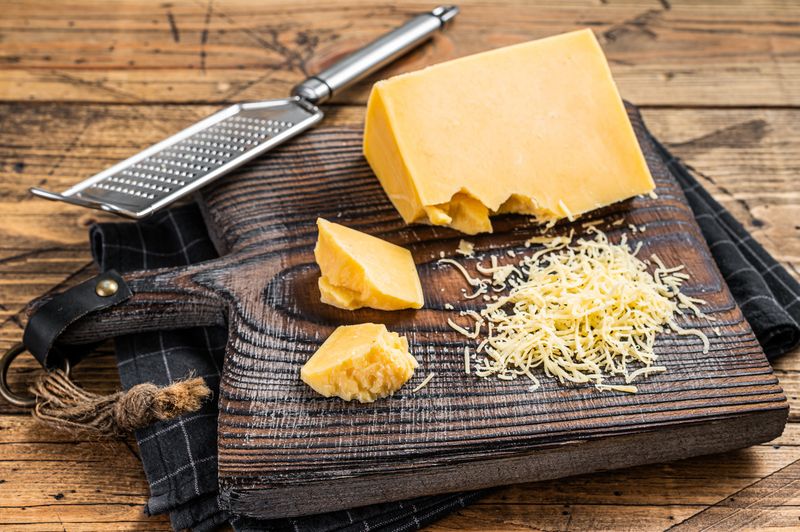
Cheese is perhaps the most ubiquitous example of a high-protein, high-fat food. As a concentrated form of milk, it retains a significant portion of the fat found in the original dairy product. In a standard one-ounce serving (approximately 28 grams) of cheddar cheese, the protein content typically hovers around seven grams. However, the fat content frequently reaches nine grams or higher.
From a metabolic perspective, cheese acts as a double-edged sword. It provides calcium and high-quality casein protein, but the saturated fat content can be problematic for those with cardiovascular sensitivities. Nutritionists suggest treating cheese as a "flavor enhancer" rather than a foundational protein source. By incorporating cheese as a topping on salads or as a garnish for vegetable dishes, individuals can enjoy the sensory and nutritional benefits without exceeding their daily saturated fat limits.
2. The Density of Nut Butters
Selai kacang, or peanut butter, is a staple in many athlete diets due to its affordability and convenience. However, the nutritional profile of nut butters is often misunderstood by those who see them solely as protein supplements. A standard serving of two tablespoons contains approximately eight grams of protein. While this is respectable, the accompanying fat content often reaches 16 grams.
This creates a caloric density that is challenging for those on strict caloric deficits. The high ratio of fat to protein means that a person seeking 20 grams of protein from peanut butter would also be consuming roughly 40 grams of fat, adding significant energy that may not be required by the body at that moment. The key to integrating nut butters lies in moderation and pairing them with high-fiber, low-calorie foods like apples or celery to increase satiety without excessive caloric ingestion.
3. Animal Proteins: Navigating Cuts and Marbling
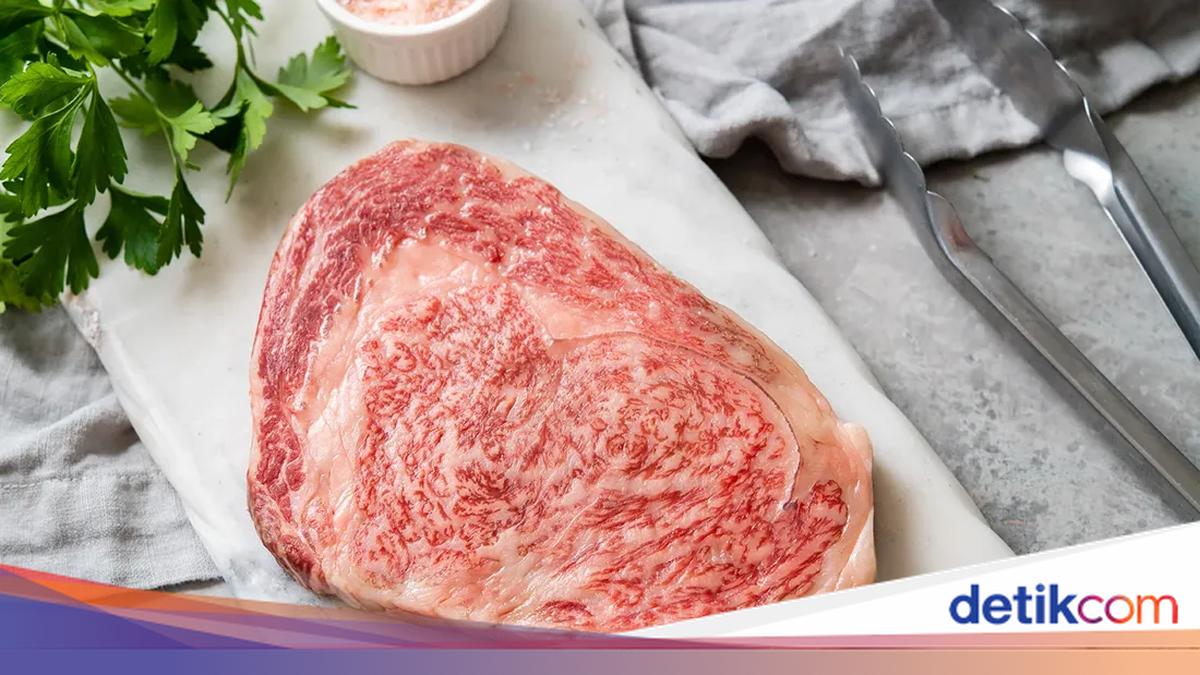
The classification of meat as a protein source is technically accurate, yet the nutritional quality varies wildly based on the cut of the animal. Meat, particularly red meat, carries varying degrees of intramuscular fat, known as marbling. High-fat cuts such as ribeye steaks, pork belly, and bacon are nutrient-dense but calorie-heavy.
According to industry data and nutritional reports, bacon is a primary example of a protein source where the caloric contribution from fat significantly outweighs that of protein. In some instances, nearly 50% of the caloric content of bacon is derived solely from fat. This does not necessitate a complete exclusion from the diet, as these foods also provide essential B vitamins and iron. However, the chronology of nutritional advice has shifted toward favoring leaner cuts—such as sirloin, chicken breast, or white fish—for daily protein needs, while reserving higher-fat, marbled meats for occasional consumption.
4. The Complexity of Tree Nuts
Nuts have long been heralded as a "superfood" due to their healthy monounsaturated and polyunsaturated fats. However, their role as a protein source is often overstated. A 28-gram serving of Brazil nuts provides roughly four grams of protein, but balances this with 19 grams of fat. Similarly, pecans offer a lower protein yield of 2.6 grams against a high lipid content of over 20 grams.
The health implications of consuming nuts are largely positive, as they have been linked to improved heart health and reduced inflammation. Yet, the distinction must be made that nuts are essentially a "fat source" that happens to contain protein, rather than a "protein source" that contains fat. For those monitoring macronutrient ratios, relying on nuts as the primary protein source for a meal is rarely an efficient strategy for muscle synthesis.
5. The Balanced Nature of Eggs
Eggs represent the gold standard for protein bioavailability, yet they remain a source of confusion for many. Unlike the other foods on this list, which are skewed heavily toward fat, eggs possess a more balanced ratio. Expert dietitians like Dru Rosales note that the yolk contains the majority of the fat, while the white is almost pure protein.
The perception of eggs as a high-fat food stems from historical debates regarding cholesterol. Current scientific consensus has largely moved away from viewing egg cholesterol as a primary driver of blood cholesterol in the general population. Nevertheless, for individuals consuming large quantities of eggs daily, the fat content in the yolks adds up. Understanding that an egg provides a roughly 1:1 ratio of protein to fat allows individuals to adjust their intake—perhaps by using a combination of whole eggs and egg whites—to meet specific fitness goals.
Broader Implications for Public Health
The identification of these "hidden fat" sources carries significant implications for dietary guidelines and public health education. As the global obesity crisis continues to challenge healthcare systems, the clarity of food labels and the education surrounding macronutrient composition become paramount.
Nutrition researchers emphasize that the goal of dietary advice is not to demonize these foods, but to foster "nutritional literacy." When consumers understand that a food item serves multiple purposes—such as providing both energy (fat) and building blocks (protein)—they can make informed choices based on their personal metabolic needs, activity levels, and health markers.
For instance, an endurance athlete training for a marathon might require the higher fat content found in nuts or eggs to maintain energy levels during long sessions. Conversely, an individual focused on sedentary weight loss might prioritize leaner protein sources to maintain muscle mass while staying within a tighter caloric budget.
Conclusion and Future Outlook
The evolving understanding of protein-rich foods confirms that a "one-size-fits-all" approach to nutrition is outdated. As the food industry continues to innovate, providing a wider array of protein-fortified products, the burden of choice falls upon the consumer. By recognizing that foods like cheese, peanut butter, marbled meats, nuts, and eggs serve complex nutritional roles, individuals can better tailor their diets to meet specific biological demands.
As we look toward future dietary recommendations, the integration of technology—such as mobile tracking applications and wearable health monitors—will likely continue to play a role in helping people visualize the hidden fat content in their protein-rich diets. Ultimately, the healthiest approach remains a balanced intake of diverse food groups, where protein is sourced from a variety of both animal and plant origins, always with an eye toward the total caloric and lipid profile of the plate. Maintaining this level of awareness ensures that protein consumption serves as a tool for health rather than an unintended contributor to excess body fat.