Socio Today
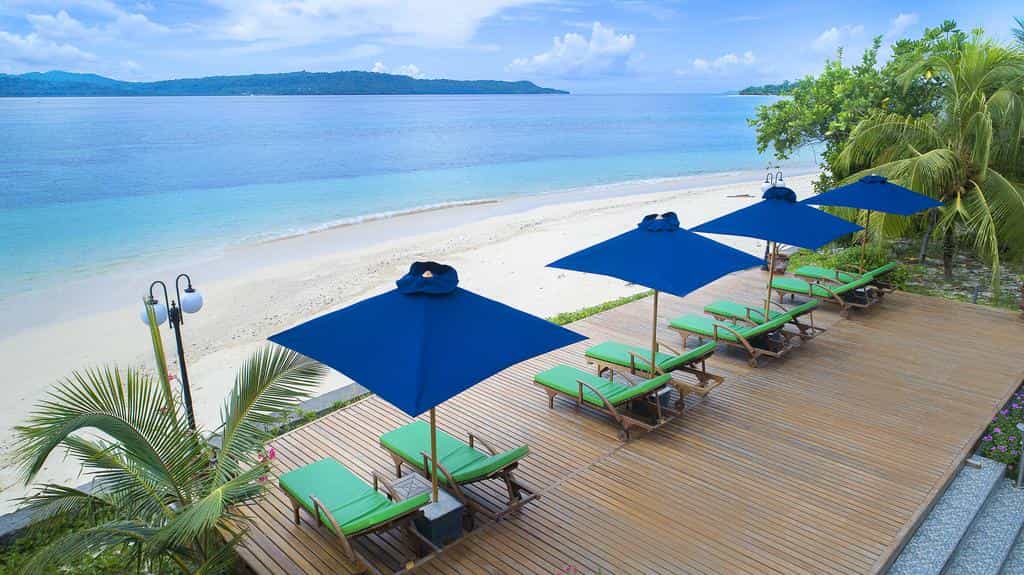
The modern paradigm of wealth and success has undergone a radical transformation among the millennial and Gen Z demographics, shifting away from traditional material accumulation toward the prioritization of experiential investment through travel. Data from the World Tourism Organization (UNWTO) highlights that young travelers represent one of the fastest-growing segments in the global tourism industry, consistently accounting for over 20% of all international arrivals annually. This transition is not merely a trend in leisure consumption; it is a fundamental shift in how contemporary generations define personal growth, social status, and long-term asset accumulation.
The Evolution of Generational Priorities
For previous generations, the trajectory of financial success was largely linear: education, followed by employment, followed by the acquisition of tangible assets such as real estate, vehicles, and long-term savings. However, the economic landscape of the 21st century—characterized by rising housing costs and the gig economy—has altered these incentives. Millennials, currently aged between 28 and 43, are increasingly viewing "lifestyle travel" as a form of intellectual and emotional capital.
Psychological studies suggest that experiential purchases provide more lasting happiness than material goods, a concept often referred to as the "hedonic treadmill." By investing in travel, individuals are not merely buying a flight or a hotel room; they are acquiring perspective, cultural competency, and resilience. This shift is corroborated by reports from the Global Wellness Institute, which indicate that "transformative travel"—trips designed to foster personal development—has seen a compound annual growth rate exceeding 10% over the past decade.
Chronology of the Travel-Centric Shift
The rise of this lifestyle did not occur in a vacuum; it was facilitated by a specific convergence of technological and socio-economic events:
- 2008–2012 (The Digital Catalyst): The proliferation of affordable smartphones and the birth of high-speed mobile internet allowed for the rise of travel-focused social media platforms. This period marked the beginning of "visual storytelling," where experiences began to carry social currency.
- 2013–2017 (The Sharing Economy): The mainstreaming of platforms like Airbnb and Uber significantly lowered the barrier to entry for independent travel. Travelers no longer required the services of traditional, expensive travel agencies, allowing for more authentic, localized experiences.
- 2018–2020 (The Peak of Connectivity): The normalization of remote work and digital nomadism allowed travel to transition from a seasonal activity to a lifestyle. During this period, travel became decoupled from the traditional "two-week vacation" model.
- 2021–Present (Post-Pandemic Resurgence): Following global lockdowns, the "revenge travel" phenomenon accelerated the prioritization of experiences. The collective realization of the fragility of movement led to an unprecedented surge in demand for travel, even among those with moderate income levels.
The Economics of Experiential Investment
Critics often argue that prioritizing travel over homeownership is fiscally irresponsible. However, financial analysts increasingly point to the "experience economy" as a legitimate sector. The diversification of income streams through remote work allows modern travelers to mitigate the costs of long-term travel. By adopting a "location-independent" lifestyle, many are finding that the cost of living in various global hubs is lower than in major metropolitan centers in their home countries.
Furthermore, the skill sets acquired through frequent travel—such as crisis management, cross-cultural negotiation, and logistical planning—are highly transferable to professional environments. As companies shift toward global, distributed teams, the ability to navigate different environments is becoming a premium asset in the modern labor market.
Strategies for Sustainable Travel Implementation
For those looking to transition into a travel-centric lifestyle, the approach requires more than just capital; it requires a recalibration of mindset and logistical planning. Industry experts suggest the following pillars for success:

1. Strategic Risk Management and Financial Planning
The most significant barrier to entry is the misconception that one must wait for a "significant" savings buffer before initiating travel. Financial literacy experts recommend the "proportional allocation" method. Rather than waiting for a large sum, individuals are encouraged to allocate a fixed percentage of monthly income toward a dedicated "experience fund." This allows for consistent travel without the need to exhaust liquid assets.
2. Adopting an Agile Itinerary Model
Traditional, rigid travel schedules are increasingly being viewed as counterproductive. Modern travelers are shifting toward "agile itineraries," which involve booking primary transport and initial lodging, but leaving the remainder of the schedule fluid. This adaptability is critical for discovering local opportunities and managing the inevitable disruptions—such as weather or logistical shifts—that occur during international transit.
3. Cultural Integration and Adaptive Learning
Success in long-term travel is largely dependent on one’s capacity for cultural adaptation. This includes the acquisition of basic linguistic skills and a commitment to respecting local customs. The most successful travelers are those who prioritize deep immersion over "sight-seeing." This involves engaging with local economies, supporting regional businesses, and participating in community-led activities, which provides a deeper, more profound connection to the destination.
Official Perspectives and Market Responses
Tourism boards and hospitality organizations have been quick to respond to this shift. Many countries, including Portugal, Costa Rica, and Indonesia, have introduced "Digital Nomad Visas," explicitly catering to individuals who intend to live and work while traveling. This regulatory pivot acknowledges that the modern traveler is a long-term economic participant rather than a fleeting tourist.

From an industry standpoint, hotel groups are moving away from standardized luxury in favor of "community-focused" spaces. Modern hospitality design now emphasizes co-working facilities, communal kitchens, and social hubs that facilitate interaction among travelers, acknowledging that the primary motivation for this demographic is community and networking as much as leisure.
Broader Implications and Future Outlook
The normalization of lifestyle travel poses significant implications for urban planning and environmental sustainability. As more people embrace a nomadic or semi-nomadic existence, cities are forced to rethink their infrastructure to accommodate a transient population. This includes the development of more robust public transit, reliable high-speed internet, and flexible housing regulations.
However, the environmental cost of this lifestyle remains a central concern. The aviation sector is currently grappling with the challenge of decarbonization, and the travel industry is under increasing pressure to adopt "slow travel" models—prioritizing rail and land-based transport over frequent short-haul flights. The future of the lifestyle travel movement will likely be defined by its ability to balance personal growth with global environmental responsibility.
Ultimately, the shift toward valuing experiences over physical assets represents a maturation of the global workforce. As younger generations continue to integrate work, life, and travel, the definition of a successful life is being rewritten. It is a transition from the accumulation of static goods to the cultivation of a dynamic, informed, and globally conscious existence. The challenge moving forward will be to ensure that this lifestyle remains accessible, sustainable, and truly enriching for all participants.