Socio Today
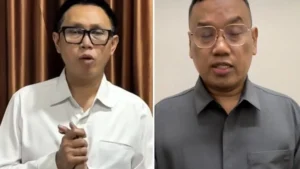
The political status of prominent Indonesian public figures-turned-politicians Eko Hendro Purnomo, widely known as Eko Patrio, and Surya Utama, popularly recognized as Uya Kuya, has remained a subject of significant public interest following their official nonactivation from the House of Representatives (Dewan Perwakilan Rakyat – DPR RI). Months after the initial announcement by the National Mandate Party (Partai Amanat Nasional – PAN), the party leadership has reaffirmed that both lawmakers remain in a suspended status within the parliamentary faction, awaiting further strategic directives from the central leadership.
The confirmation was formally addressed by Eddy Soeparno, the Deputy Chairman of PAN who also serves as the Deputy Speaker of the People’s Consultative Assembly (Majelis Permusyawaratan Rakyat – MPR RI). Speaking to media representatives in Jakarta, Eddy clarified that the Central Executive Board (Dewan Pimpinan Pusat – DPP) of PAN has not altered the administrative or functional status of Eko Patrio and Uya Kuya since the initial disciplinary and structural measures were enacted in late August 2025.
As the political landscape continues to evolve under the administration of President Prabowo Subianto, the internal handling of high-profile legislative members highlights the party’s cautious approach toward managing organizational alignment, legislative duties, and public perception.
Background and Context of the Suspension
The decision by PAN to suspend Eko Patrio and Uya Kuya from their active legislative duties did not occur in a vacuum. Both figures transitioned successfully from the entertainment industry into mainstream Indonesian politics, building substantial voter bases that ultimately secured them seats in the national parliament under the PAN banner. Their dual identities as celebrities and lawmakers often placed them under heightened public and media scrutiny.
The dynamic shifts within parliamentary factions often require political parties to recalibrate their internal compositions to match broader strategic goals, respond to shifting public sentiment, or manage internal organizational evaluations. In mid-2025, the central leadership of PAN faced a series of complex political and social dynamics that necessitated a structural reassessment of its representatives in Senayan—the home of Indonesia’s parliament.
Chronology of the Nonactivation Decision
The chronology of events leading to the ongoing suspension began to unfold publicly in the final weeks of August 2025. The definitive turning point was marked by the release of an official press statement issued by the DPP PAN on Sunday, August 31, 2025.
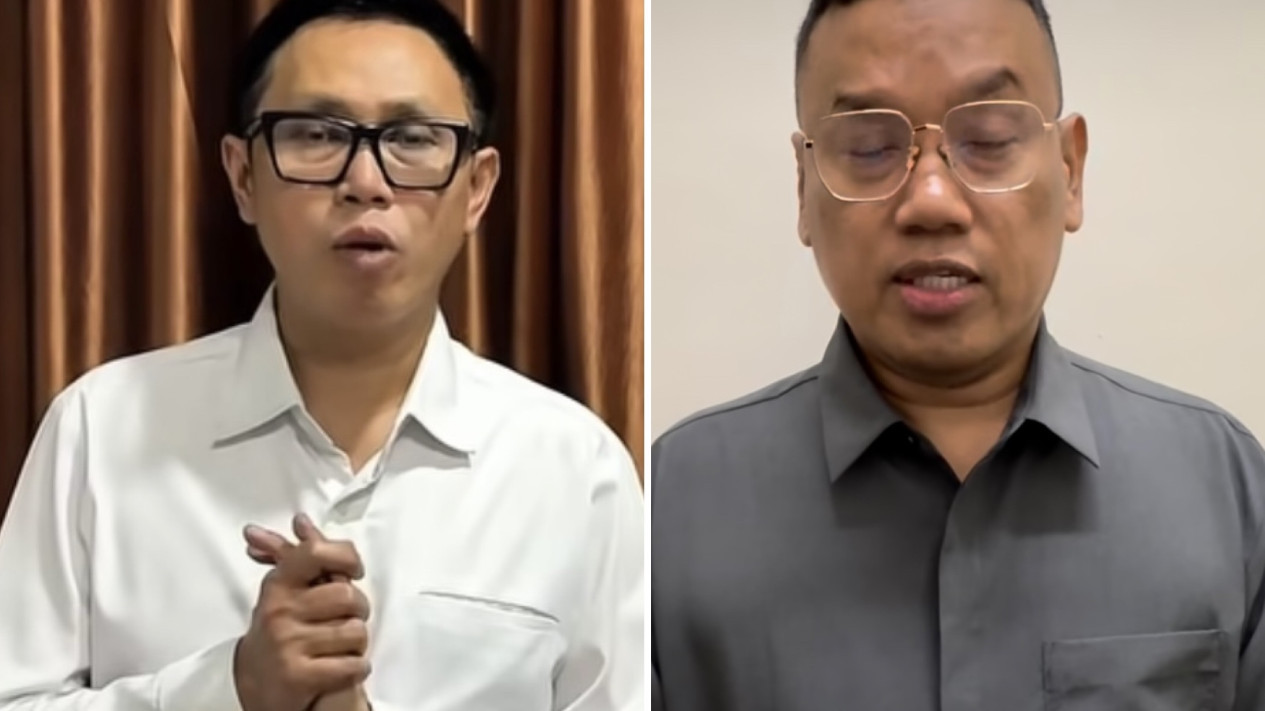
The formal notification outlined the party’s decision to temporarily relieve both Eko Hendro Purnomo and Surya Utama of their legislative responsibilities. According to the document, the administrative nonactivation took formal effect on Monday, September 1, 2025.
The official press release was authorized and signed by key figures within the party hierarchy, namely PAN General Chairman Zulkifli Hasan and Deputy General Chairman Viva Yoga Mauladi. The joint leadership action underscored the gravity of the decision, reflecting a centralized consensus within the party’s top echelon regarding the necessity of the suspension.
In the immediate aftermath of the announcement, the party also issued appeals directed toward its constituents and the broader public. PAN urged supporters and citizens to remain calm, patient, and steadfast in their confidence toward the executive branch, specifically expressing ongoing support for the administration of President Prabowo Subianto. The party emphasized its commitment to working alongside the government to ensure that policy implementations remain aligned with the welfare and interests of the general populace.
Official Stance and Party Communication
Providing an update on the current standing of the two politicians, Eddy Soeparno reiterated that any future resolution regarding their political futures lies primarily with the party’s top leadership. He stressed that operational decisions of this magnitude cannot be resolved unilaterally by individual factions without comprehensive consultations involving the highest levels of party authority.
"As far as the DPP PAN is concerned, the status of our members remains nonactive," Eddy stated during his briefing with journalists. When pressed regarding the potential timeline for their reinstatement or the definitive resolution of their status, Eddy pointed directly to the authority of PAN General Chairman Zulkifli Hasan.
Furthermore, Eddy explained that any subsequent developments or procedural updates would be systematically communicated through official channels, specifically involving the leadership of the PAN faction within the DPR RI. This structured communication channel ensures that all administrative changes comply with internal party mechanisms and parliamentary regulations.
Implications for the Legislative Landscape and PAN
The prolonged nonactivation of high-profile legislative members carries several notable implications for both the National Mandate Party and the broader composition of the House of Representatives.

From an organizational perspective, suspending active members who possess high name recognition presents both challenges and strategic opportunities. On one hand, the temporary absence of lawmakers with significant constituent backing can affect the immediate operational capacity of a party faction within parliamentary commissions and legislative voting blocs. On the other hand, such measures signal to the public and internal stakeholders that the party leadership maintains strict disciplinary oversight and is willing to enact decisive structural adjustments when necessary.
For Eko Patrio and Uya Kuya, the suspension period represents an unprecedented phase in their respective political careers. Having successfully navigated the transition from the entertainment sector to legislative service, both figures must now navigate the complexities of party-internal evaluations while maintaining their political viability and public engagement outside of the parliamentary chamber.
Broader Political Context under the Prabowo Administration
The timing of the suspension and its continuation throughout late 2025 and into 2026 coincides with a period of consolidation for President Prabowo Subianto’s administration. Political parties within the governing coalition have faced increased pressure to demonstrate discipline, cohesiveness, and unwavering alignment with national policy objectives.
PAN, as a key constituent within the coalition supporting the government, has consistently emphasized its dedication to maintaining political stability. By managing internal party discipline transparently, the leadership aims to project an image of organizational maturity and reliability. The party’s messaging has consistently reinforced the narrative that national stability and public trust in the executive branch take precedence over individual political portfolios.
Future Outlook and Anticipated Developments
As the political year progresses, attention remains focused on the central leadership of PAN to determine when and how the status of Eko Patrio and Uya Kuya will be formally resolved. Political analysts suggest that any potential reinstatement will likely depend on a comprehensive evaluation conducted by the party’s executive board, taking into account internal consolidation efforts, upcoming legislative agendas, and strategic considerations for future electoral cycles.
Until official directives are issued by General Chairman Zulkifli Hasan and communicated through the PAN parliamentary faction, both lawmakers will continue to occupy an unprecedented administrative limbo—retaining their formal affiliation with the party while remaining sidelined from active parliamentary duties. The unfolding situation continues to serve as a significant case study in modern Indonesian party politics, highlighting the delicate balance between high-profile political branding and strict internal party discipline.