Socio Today
The intersection of celebrity culture and advanced generative artificial intelligence reached a critical point this week as prominent Indonesian content creator Atta Halilintar found himself the target of a sophisticated disinformation campaign. A manipulated image, which circulated rapidly across social media platforms including TikTok and X (formerly Twitter), purportedly depicted the social media star in a compromising position with an unidentified woman during his recent trip to Italy. The incident has since sparked a nationwide conversation regarding the ethical implications of AI-generated imagery and the vulnerability of public figures to digital defamation.
The image in question surfaced in early September 2026, coinciding with Halilintar’s documented attendance at a high-profile international sporting event in Italy—an event that drew content creators from across the globe. The manipulated visual appeared to show Halilintar in close proximity to a woman who did not share the likeness of his wife, Aurel Hermansyah. The visual discrepancy, characterized by the woman’s lack of a hijab and the suggestive nature of the interaction, immediately fueled speculation regarding the status of his marriage.
Chronology of the Digital Incident
The sequence of events began when the manipulated image was disseminated by anonymous social media accounts, primarily gaining traction on TikTok. Within hours, the image had been shared thousands of times, with users analyzing the visual evidence to support unsubstantiated claims of infidelity. By the morning of September 10, 2026, the discourse had shifted from casual gossip to serious allegations, prompting a swift reaction from both the public and the subject of the controversy.
Observant social media users, however, were among the first to flag the image as a likely product of generative AI. By mid-day on September 10, tech-savvy netizens began highlighting anatomical irregularities and lighting inconsistencies within the image—hallmarks of current AI models struggling with human physiology. The viral nature of the post reached a boiling point when Halilintar himself addressed the narrative, definitively labeling the content as a malicious fabrication.
The Anatomy of AI-Generated Defamation
This incident serves as a textbook example of how "deepfake" or AI-manipulated content can be weaponized to ruin reputations. While the technology for image manipulation has existed for decades, the democratization of generative AI tools has allowed non-experts to create hyper-realistic, defamatory content with minimal effort.
In the case of the Atta Halilintar image, the perpetrators utilized the context of a legitimate public appearance—the football match in Italy—to lend the fabrication a veneer of credibility. By anchoring the lie to a real-world location and timeline, the creators of the image exploited the public’s tendency to accept visual evidence as an objective record of truth.
Cybersecurity experts suggest that this trend is becoming increasingly prevalent. "We are entering an era where visual evidence is no longer synonymous with factual reality," notes a digital media analyst familiar with deepfake trends. "When these images are coupled with social media algorithms that prioritize high-engagement, emotionally charged content, they can cause irreparable damage to an individual’s personal and professional brand before a correction can even be issued."
Official Response and Clarification
Atta Halilintar’s official response, issued via his Threads account on September 10, 2026, served as a direct rebuttal to the allegations. He confirmed that he did indeed attend an international event populated by global creators, where interacting with peers—including taking photographs—was a standard, professional courtesy.
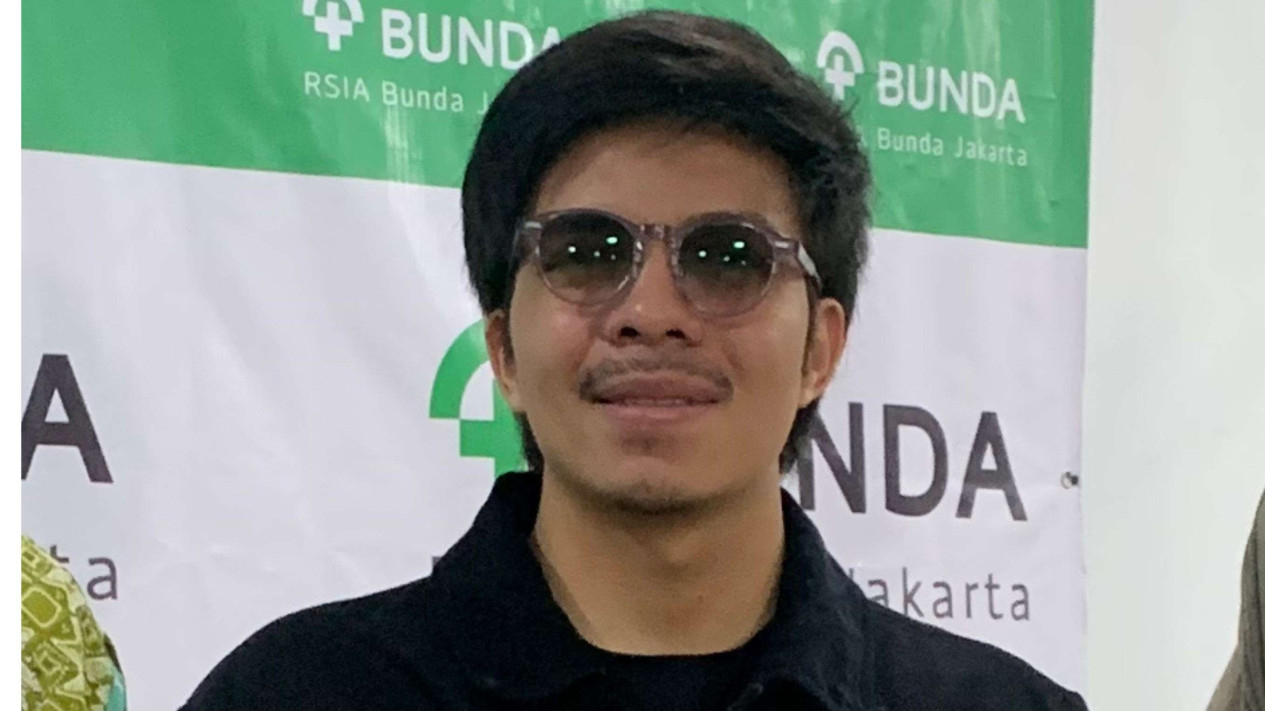
"This event invited creators from various countries. If a creator asks for a photo, that is a normal, professional interaction," Halilintar stated. He emphasized that the act of being photographed in a professional capacity had been twisted into a narrative of scandal. He drew a sharp distinction between legitimate social media engagement and the malicious intent behind the edited image.
"When the photo is edited using AI to make it look like I am kissing someone, and then used to drive a false narrative, that is no longer a misunderstanding—it is a smear campaign and a form of defamation," he added. The statement underscored his frustration with the lack of accountability in the digital sphere, where fabricated narratives are often treated with more weight than official denials.
The Broader Implications for Public Figures
The incident highlights a growing systemic issue: the lack of robust mechanisms to verify the authenticity of viral images on mainstream social platforms. For public figures like Halilintar, who maintain their careers through constant digital presence, the threat of AI-driven character assassination is significant.
The potential legal and ethical consequences of such acts are currently being debated by legal experts in Indonesia. Defamation laws, such as those outlined in the Electronic Information and Transactions (ITE) Law, provide some framework for prosecution, but the anonymous nature of many social media accounts makes enforcement notoriously difficult.
Furthermore, this incident raises questions about the responsibility of platforms. While TikTok and other major networks have policies against misleading content, the speed at which such images propagate often outpaces moderation efforts. The "virality" factor creates a "truth decay" effect, where the initial false impression remains fixed in the public consciousness, even after the debunking takes place.
The Necessity of Digital Literacy
As AI tools become more accessible, the public is being urged to adopt a more critical approach to the content they consume. The incident involving Halilintar serves as a stark reminder that users should exercise extreme caution before sharing unverified content.
"The burden of verification has shifted to the user," states a media literacy researcher. "In the past, we relied on media organizations to gatekeep information. Today, every user is a publisher, and every publisher is a potential vector for misinformation. If an image seems designed specifically to elicit outrage or confirm a pre-existing bias, that is a primary indicator that the content requires scrutiny."
Conclusion: Moving Toward a More Secure Digital Environment
The saga of the AI-manipulated photograph of Atta Halilintar is likely to be viewed as a milestone in the ongoing struggle against digital misinformation. While the immediate fallout has been managed through a clear and firm public denial, the underlying threat remains. As technology continues to evolve, the distinction between reality and fabrication will become increasingly blurred, necessitating a more proactive stance from both platform regulators and the general public.
For now, the situation stands as a warning to digital citizens: in an age where pixels can be manipulated with ease, skepticism is a necessary defense. As the conversation surrounding the ethical use of AI intensifies, the hope is that better detection tools and more stringent platform accountability will protect individuals from the malicious use of technology that was intended to enhance human creativity, not destroy human reputations.